Tante Mina sat on her couch and slowly tore away the wrapping. When the paper fell and she saw the porcelain doll her nieces had molded, painted and dressed for her, her breath caught in her throat and she let out a little gasp. As Tante Mina continued to stare at the doll, Mali, my mother, told her 81-year-old aunt about the next step.
“Now you have to name her.”
“Her name is Leah,” Tante Mina said right away. Mali looked at her twin sister, Tova, slightly stunned.
“Tante Mina, how did you do that so quickly? It usually takes people a little while to let the doll’s name come to them.” Mali said.
“No, her name is Leah,” Tante Mina said again, “she looks exactly like my sister who died in the Holocaust, her name was Leah.”
Mali and Tova slowly sat down.
“My sister, Leah, had black hair, freckles and the same face as this doll,” Tante Mina said.
“Do you have a picture of her?” Tova asked.
“No, the only picture exists in my mind, and now here she is,” Tante Mina said gesturing to her heart and then to the doll sitting in her lap.
My family talks about everything. We laugh, giggle and involve ourselves in one another’s lives. But for everything that is talked about and laughed at, there is the same equivalency of things not being said. For all of our plans and hopes, my family’s past is never mentioned. It is known, understood and remembered but never talked about. It’s a past farther back than how I’m related to a certain person. It’s all the stories of my relatives who lived and died during the Holocaust.
When I was younger I would ask questions about why some of my great aunts had never had children, and my mother would start to answer and then emotion would take over. Her eyes would start to water as she quickly explained how their bodies never recovered from what happened during the war. I was given the facts but the details were hidden behind tears and sadness that my family would rather repress then delve into again and again.
Of course, growing up, I learned in school what the Holocaust was and heard all of the horrible stories about what happened during those dreadful years to millions of Jews. The most education I received on the subject outside of school was through a trip to the Museum of Tolerance, and from the movie, “Schindler’s List,” which my mother made me go see with my dad.
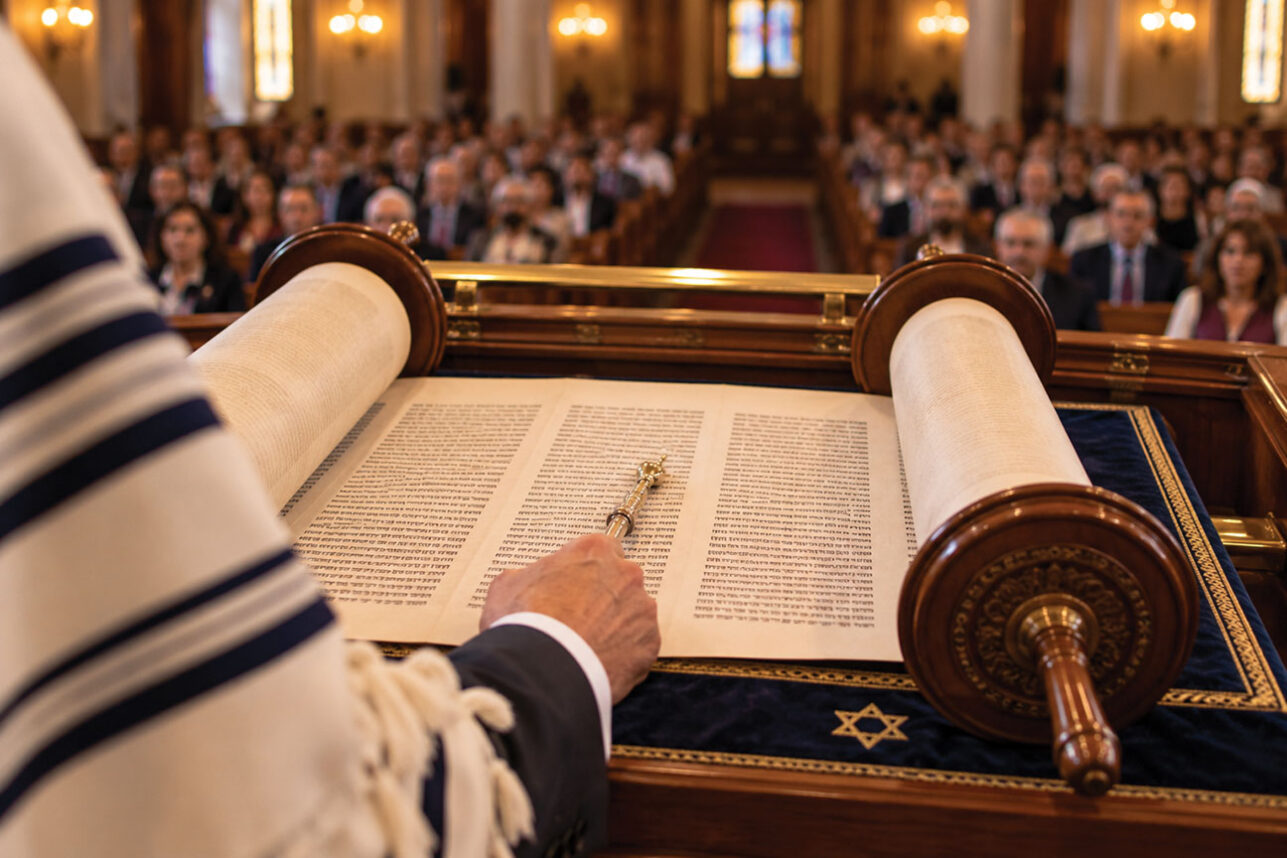
There is the famous saying when it comes to the Holocaust — never forget. As long as we never forget, these horrible things can never happen again. However, there is a distinct difference between never forgetting, and remembering and honoring the lives lost.
The Holocaust survivors in my family, like Tante Mina, don’t mention the hardships they endured or the family they lost. It is something that they keep inside, never forgetting, yet never revealing. The faces of their lost loved ones, like Tante Mina’s sister, Leah, exist only in their memories, growing fuzzy with time yet always hovering near them.
When my mother called me and told me about Tante Mina’s doll, I could hear the emotion in her voice: “Isn’t that weird, of all of the choices of doll molds, of hair colors, eye colors, styles of clothing, it all turned out to be the image of the sister she lost in the Holocaust. A sister we didn’t even remember existed in the first place.”
Leah now sits on Tante Mina’s dresser in the Jewish Home for the Aging. A small, freckle-faced doll with black, braided hair, a straw hat and a beautiful green dress, a sense of loss behind her green painted eyes yet an aura of hope around her. She’s a constant reminder of the sister she had and serves as a guiding force, watching over Tante Mina as time passes, a presence to remind her that she has never, and will never, be alone.
An amazing connection can exist between past and present that, if strong enough, will present itself in ways never thought possible. This mystic connection graced my family when a doll was created that, unbeknownst to those who created her, also had a past.
There is so much sadness, pain and secrecy in the past that holds onto people’s souls for the duration of their lives. Although it is hard to recount these memories of loss, it is such an important first step to remembering and honoring — the past of who lived — while also being dedicated to not forgetting those who died.
Caroline Cobrin is a writer living in Van Nuys.