fbpx

Was country legend Glen Campbell Jewish?

[additional-authors]
August 8, 2017
REUTERS/Harrison McClary

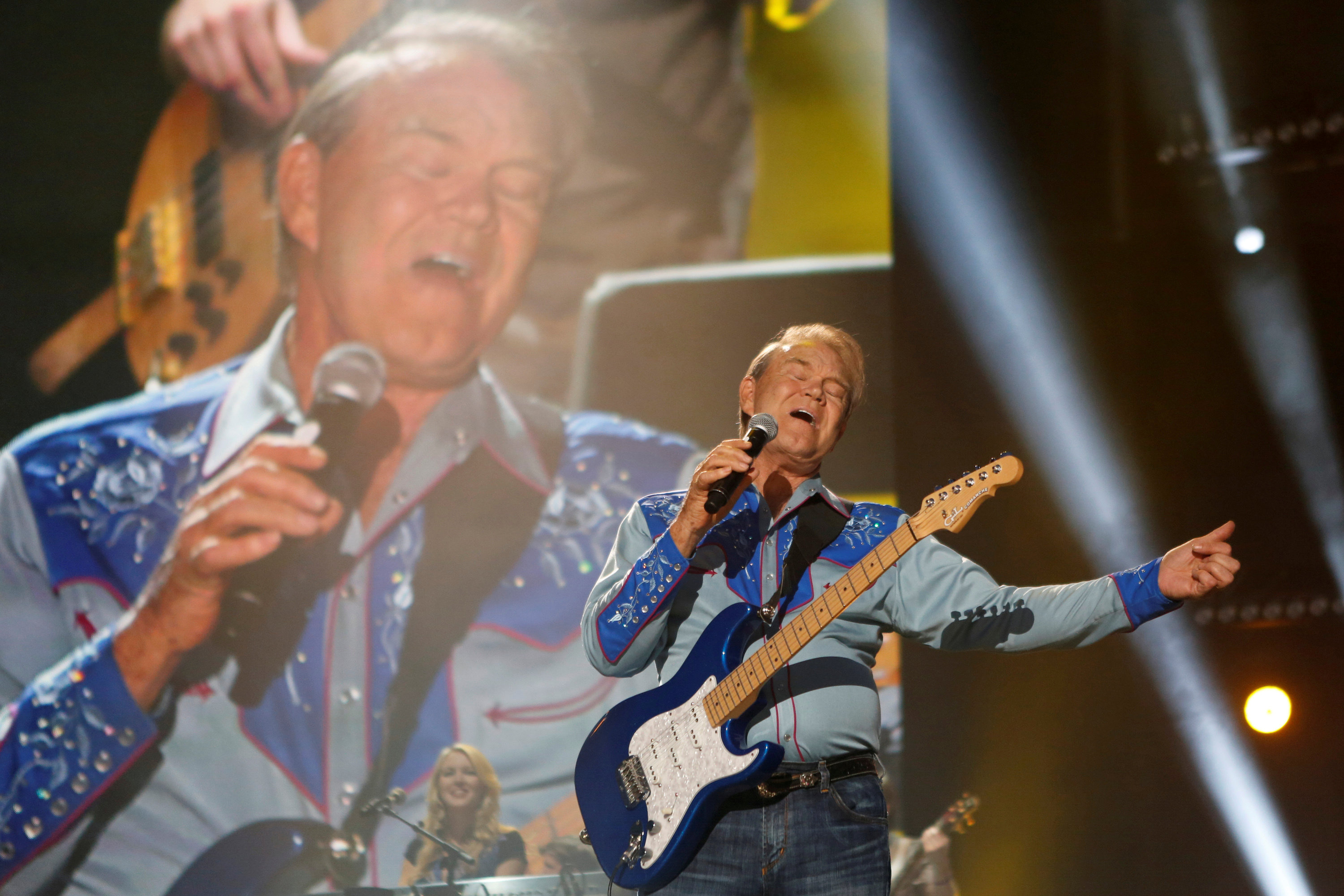
Country music legend Glen Campbell, famous for his 1975 hit “Rhinestone Cowboy,” died Tuesday, August 8, after a long battle with Alzheimer’s. Campbell hailed from humble beginnings, growing up Baptist in rural Arkansas. According to a 2008 article published in Reuters, Campbell and his wife Kim were practicing Messianic Jews. Although not considered part of the Jewish religion, Messianic Judaism incorporates Jewish elements into an overall evangelical Christian theology.

Messianic Judaism, Rabbi Eric Yoffie, president emeritus of the Union of Reform Judaism, told the Journal in 2012,  is “built on a lie. They are lying about us and lying about themselves; they distort both.”

Campbell and his wife celebrated Jewish holidays such as Passover, Rosh Hashanah and Hanukkah, but they also celebrated non-Jewish holidays such as Christmas. His wife, apparently, cooked a mean brisket (although, the article mentions her matzo balls needed some work). Inside his Malibu home, he kept a menorah on his mantle and a Hebrew book on his coffee table.

The country artist was featured in the documentary, “Hava Nagila, What Is It?” where he and his wife perform their own rendition of the Israeli folk song [Watch below].

If a traditional service is observed, the Mourner’s Kaddish will be recited at Campbell’s funeral.


Did you enjoy this article?
You'll love our roundtable.

Editor's Picks

Latest Articles

Bringing Israeli Doctors Back

ScienceAbroad works with two groups in medicine: physicians who leave Israel for fellowships and Israeli students who attend medical school in Europe.

The Antizionist’s Dilemma

It’s not easy being an antizionist these days. Especially if you’re determined to live in accordance with your most important moral imperative: the denigration of the world’s only Jewish state.

How the Supreme Court Adapted Parshat Shoftim

The Torah offers a better model than avenging and avoiding. It offers a safe opportunity for parties to meet and peacefully explain their perspectives, which might have been misunderstood. They can offer apologies and, where necessary, make amends for harms caused.

Can One Be a Non-Observant Orthodox Jew?

The tradition has always been bigger than any one person’s grip on it. What draws me is simple: I think these texts are a good part of why we are still here as a people. I want to know them and, in my own way, embrace them. Orthodox is where I turn.

Lies, Damned Lies and the Right Side of History

One question alone matters these days: Does this fact strengthen my tribe, or is it bad for it? If bad, it must be suppressed, denied, explained away. The higher truth is the narrative that serves the cause, the quest of the righteous and true.

Life Lessons in Old Age

Hardship and joy are present at every step. There is no time when it will be all good, so focus on the good and carry on. There are always moments to savor and appreciate.

More news and opinions than at a Shabbat dinner, right in your inbox.