
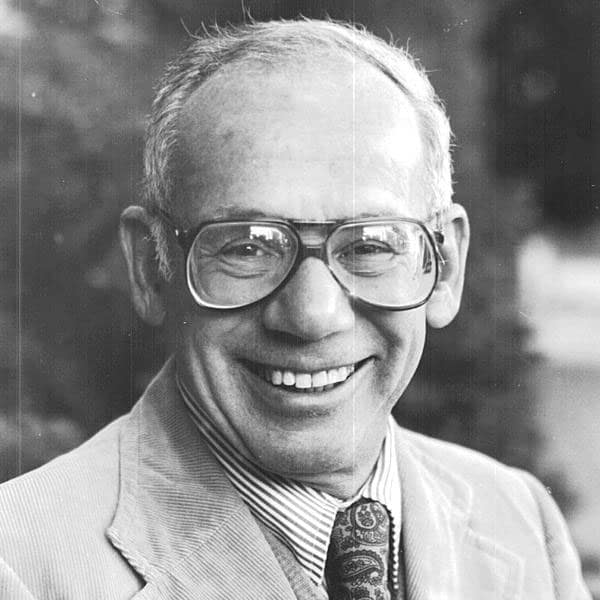
Max Kohn is a European-born short story writer in New York who has gained a considerable cult following in America. Though almost 80, he pursues an active love life, sometimes in fantasy, sometimes in reality.
If Kohn, the central character in the film, “Love Comes Lately,” seems to bear a certain resemblance to Nobel Laureate Isaac Bashevis Singer, the alert viewer is on the right track.
For the film, German director Jan Schutte, a longtime Singer aficionado, has woven together three of the master’s short stories, “The Briefcase,” “Alone” and “Old Love.”
One of the more intriguing challenges of this multilayered film is to figure out when Max (Otto Tausig) wanders across the thin line between reality and fantasy. After a short while, it doesn’t really matter, and the viewer is advised to follow Max’s example and just go with the flow.
Max’s steady “girlfriend” is Reisel, a feisty Rhea Perlman, as fiercely jealous as a first prom date, who endlessly tracks her boyfriend’s real or imagined liaisons during his frequent trips to lecture at universities.
Reisel has grounds for suspicions, for attractive middle-age women, particularly widows or women coming off unfortunate love affairs, are strangely drawn to the short, near-sighted writer.
One is buxom Rachel Meyerowitz (Caroline Aaron), who joins his table at a Miami hotel. Another is the strange Cuban maid Esperanza (Elizabeth Pena) at an even stranger motel.
Max is willingly seduced by Rosalie (Barbara Hershey), a lecturer in modern Hebrew literature at a university where he has just delivered his standard lecture on “Faith and Free Will in Modern Literature.”
Our writer really hits the jackpot with Ethel, played by a lovely Tova Feldshuh, a recently widowed next-door neighbor.
To Max’s surprise and delight, the bereaved widow proves quite amorous, insisting, as do his other female companions, that a man is never too old for some active love-making.
The various attractive ladies are all of a certain age but are never portrayed as pathetic or ridiculous. What makes “Love Comes Lately” work, though, is the Tausig’s performance as the Singer stand-in.
The Austrian-born Jewish actor, 86 in real life, combines such disparate characteristics as a boyish curiosity, academic befuddlement and astonished gratitude at all the feminine attention.
Underneath it all lies a deep-seated pessimism, as when a fan asks why all his stories have such depressing endings. Max replies, “In real life, there are no happy endings.”
In the closing scene, Max decides to take another long train trip to reflect on “why people are born and why they must die.”
Pessimistic or not, the film does give hope to elderly men, who may mourn the loss of hair and sex appeal as the decades pass. The hopeful message here is: It ain’t over until it’s really over.
“Love Comes Lately” opens Friday (July 25) at Laemmle’s Music Hall in Beverly Hills and Town Center in Encino.
The trailer

































