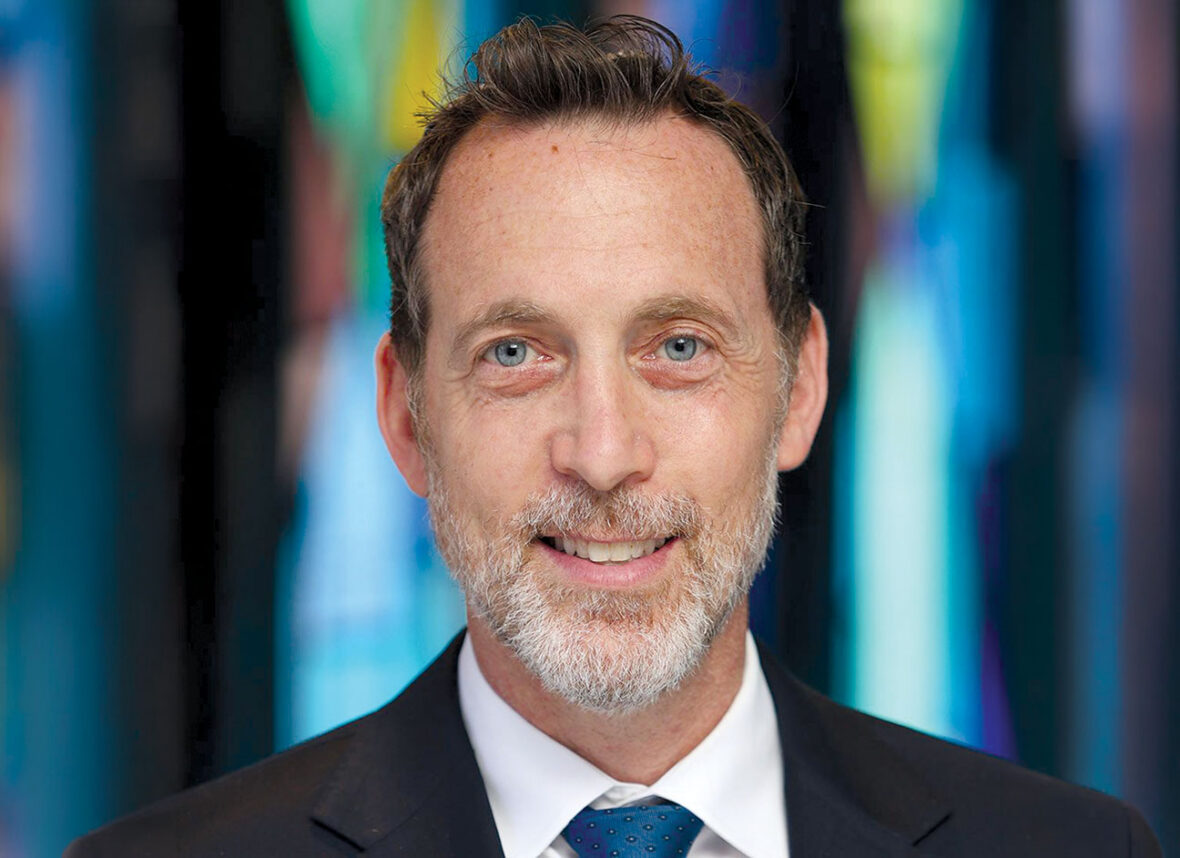
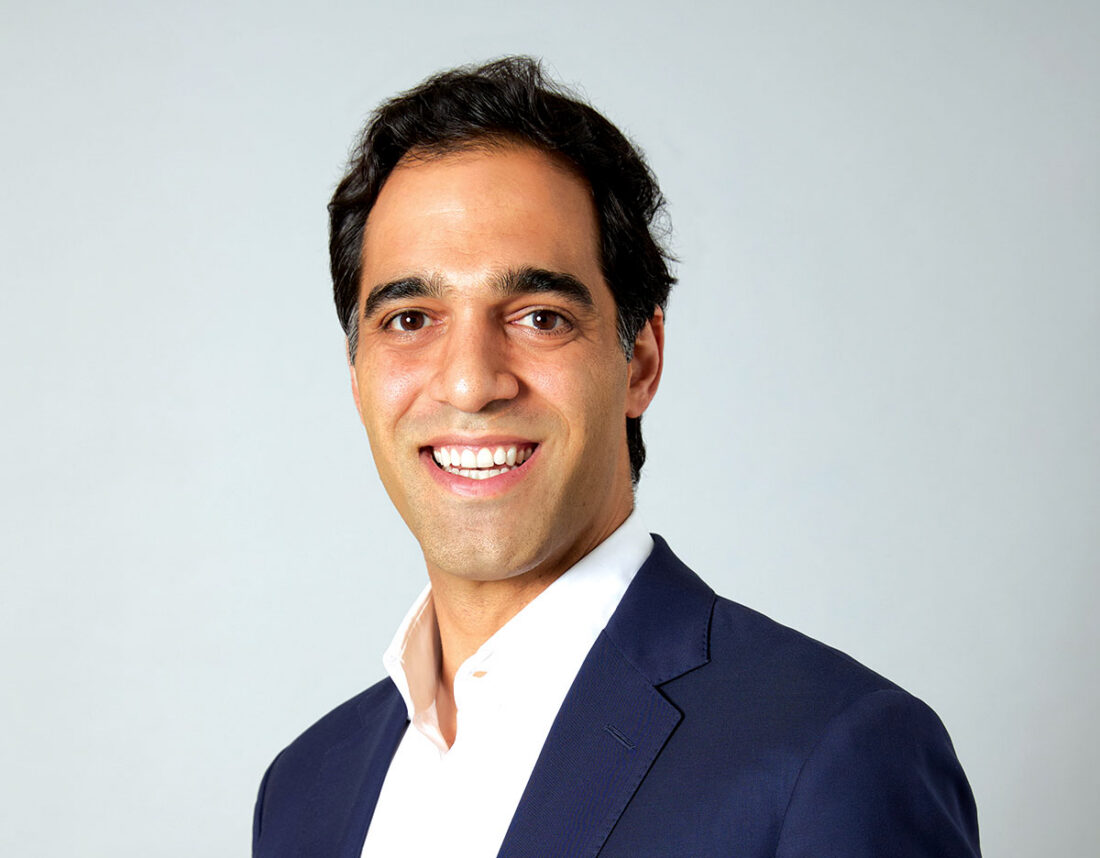
Rabbi Jonathan Aaron of Temple Emanuel in Beverly Hills knows as much about show business as shul business.
The 39-year-old rabbi, a former actor and managing director of the Open Forum Theatre in Connecticut, is the author of a new musical, “Hyrcanus,” an intergenerational production of the temple’s Emanuel Arts Center.
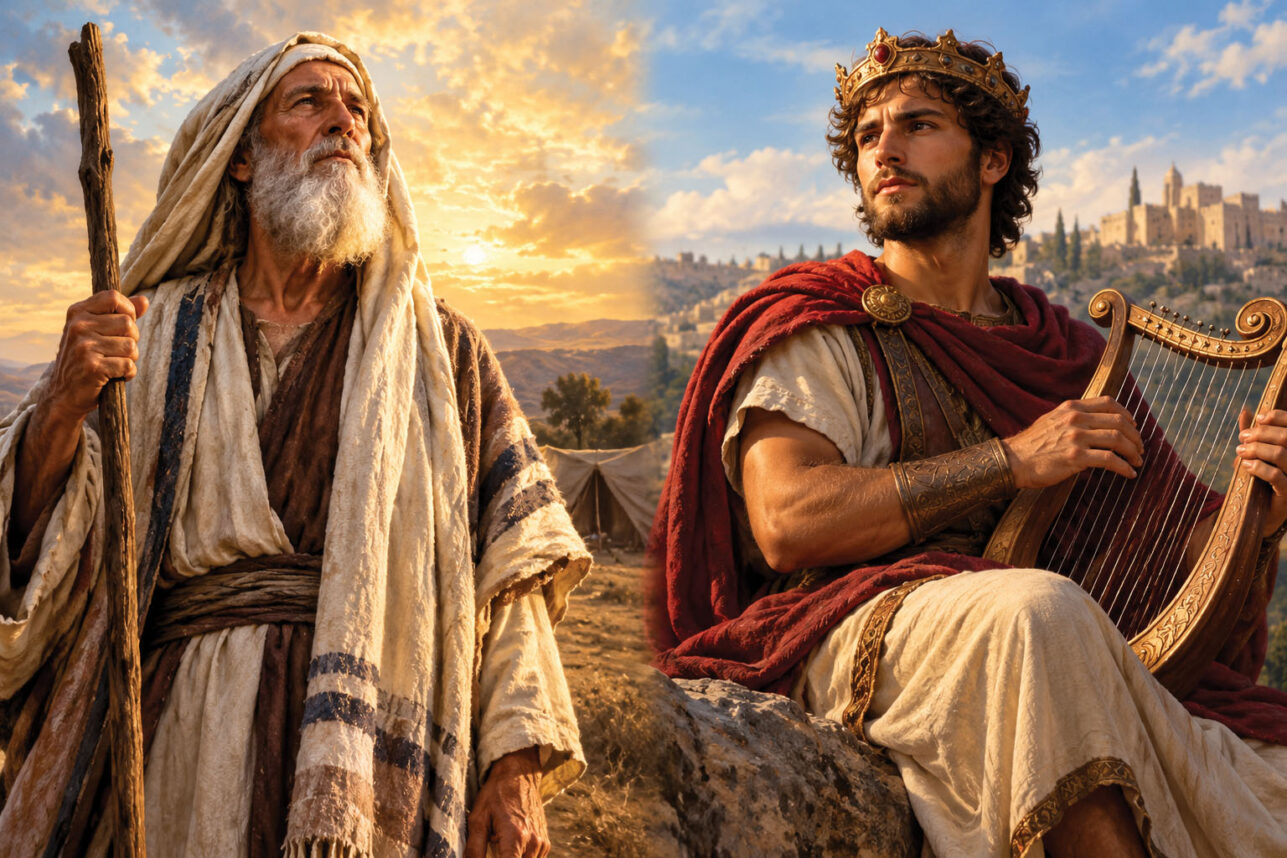
The story, enacted by 65 actors, singers and dancers, aged 7 to 87, is based on the life of Eliezer ben Hyrcanus, a renowned scholar of the Talmud (circa 80-120 C.E.) who captured Aaron’s imagination in rabbinical school. In the musical, the young Hyrcanus, frustrated with his life as a farmer, leaves home to learn from the great Rabbi Yochanan ben Zakkai, even though he does not know a word of Torah. Angry about his desertion, Eliezer’s father follows him to Jerusalem to tell him he is cut off from the family fortune — but learns more about his son than he ever imagined.
Why did Aaron pick Hyrcanus for his musical theater debut? “Nobody knows the rabbinical stories, and I think they’re the richest stories in Judaism,” says the rabbi, who is married to Michelle Azar, the managing director of an L.A. theater company, Neurotic Young Urbanites. “Most Jews think the Bible is it, but Judiasm has much more to offer.”
“Hyrcanus is the only rabbi who was ever excommunicated,” adds Aaron, noting that more than 300 of his halachot are quoted in the Talmud. “So I’ve always loved him. I like people who are a bit on the edge.” The excommunication was politically motivated and occurred after the time span depicted in the play. But the children in the cast identify with the determined young man, Aaron notes.
“They recognize the rebellion of the child against his parents,” concurs Nili Kosmal, the Israeli-born director of the play and the Emanuel Arts Center. “And the parents recognize how the character of the father needs to let his son spread his wings and fly.”
Kosmal, who came to the U.S. in 1966 to earn a theater degree at UCLA, drew her cast from every segment of the shul’s population, from the religious school to the day school to the sisterhood. The performers include a USC professor, a personal injury attorney, even Tom Cruise’s agent, Lawrence Kopeikin. To secure a young lead actor, Kosmal turned to Aaron, who recalled officiating at the bar mitzvah of a teenager who had a good singing voice and had quickly memorized his Torah portion. Nicolas Krasney, now 14, is playing Eliezer ben Hyrcanus, and his real-life father, Robert Krasney, is portraying his father in the play. “We have at least 20 families participating together, which is one of the Center’s goals, along with teaching Judaism through the arts,” Kosmal says.
Center President Marilyn Weiss has a theory about why the intergenerational productions work: “It allows people to learn about Jewish tradition in a unique way,” she says. “It’s a very different type of learning than goes on in the classroom.”
For some cast members, the upcoming play will be especially memorable. Two years ago, active shul member Charlotte Goode played a breast-cancer patient leaving an ethical will for her granddaughter in the Center’s “From Generation to Generation.” After the performance, Goode herself was diagnosed with cancer and underwent treatment. “She battled the cancer, and she is still a bit frail, but she is determined to perform in the play this year,” Kosmal says.
“Hyrcanus” runs Feb. 24 and 25 at the Emanuel Arts Theater, 8844 Burton Way in Beverly Hills. For tickets, call (310) 274-6388 ext. 232.