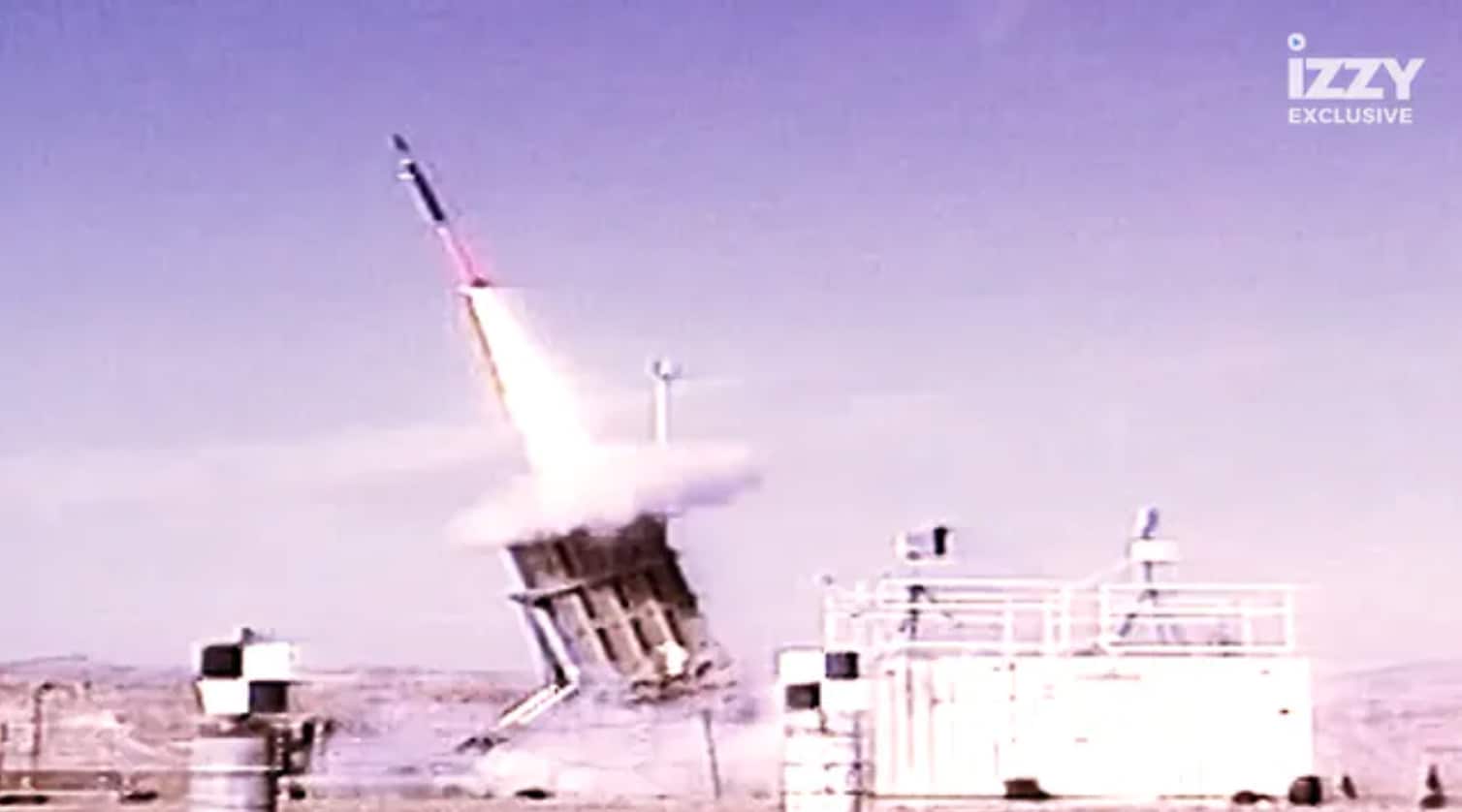
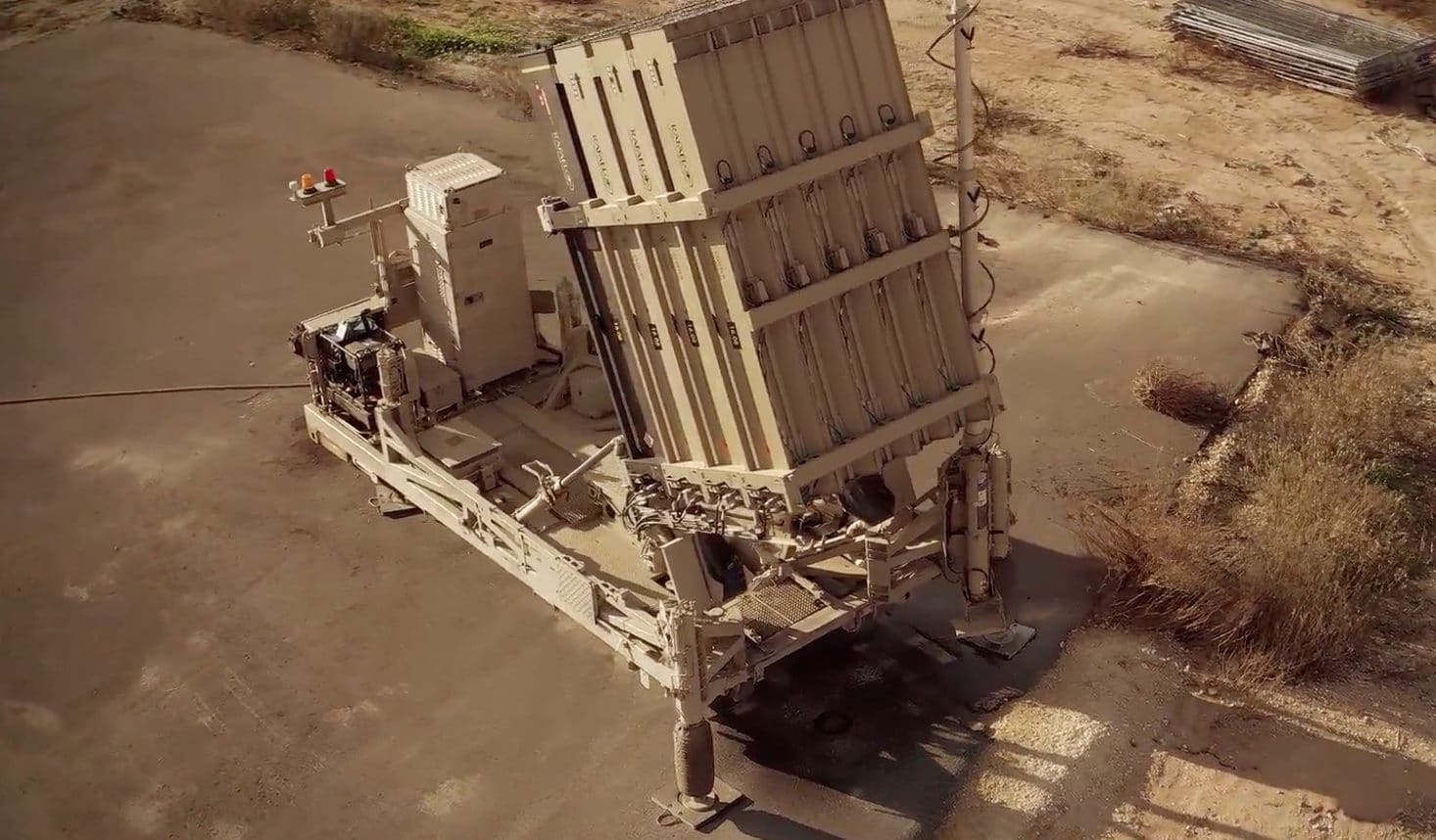
On the surface, a three-part documentary series about Israel’s missile defense system may not sound that compelling. However, the history and development of this game-changing, life-saving technology — the subject of “Iron Dome,” now streaming on Izzy — is a complex and fascinating saga. Since it came online in 2011, Iron Dome has targeted, intercepted and destroyed more than 1,200 rockets.
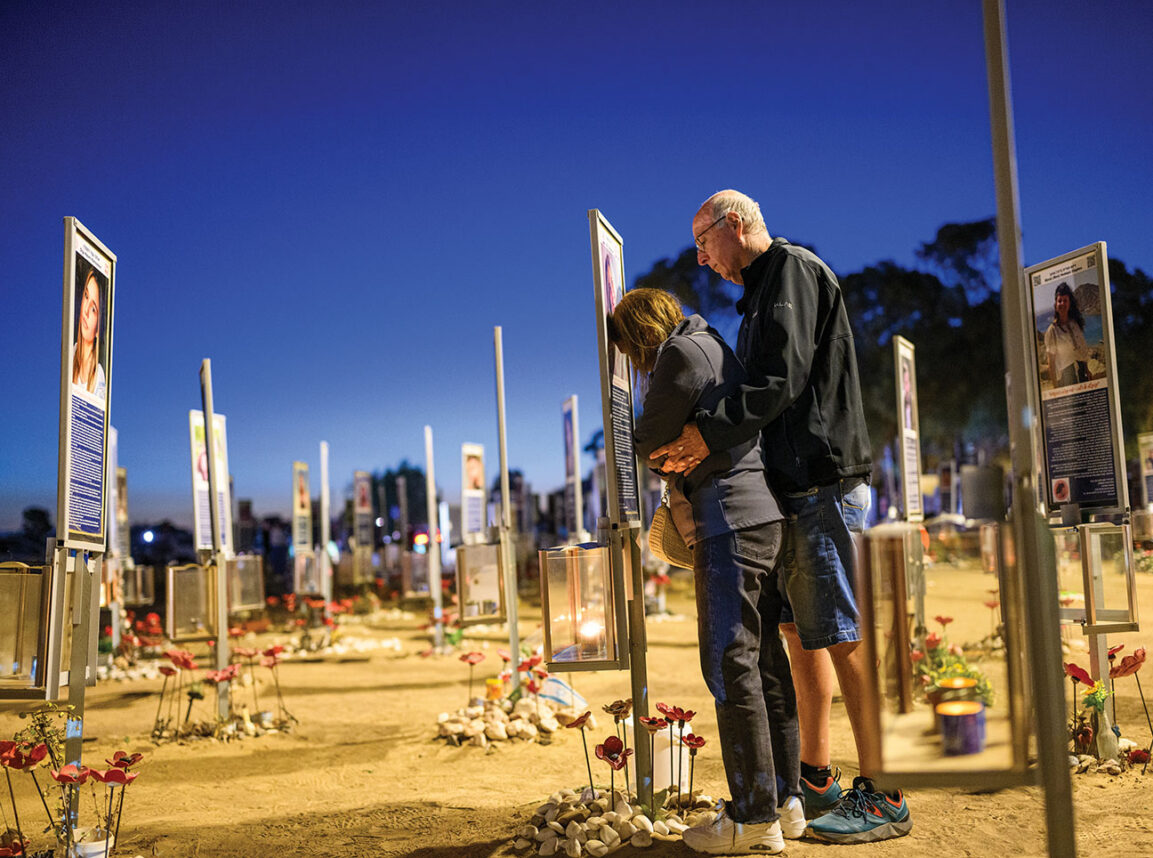
“It’s a success story that touches all of us in Israel … that involves many elements: fear of death, technological achievements, politics and money,” writer-director Uri Bar-On, who collaborated on the project with Nati Dinnar, told the Journal. Their aim: to “tell a contemporary historical story from a personal point of view.” Part One begins in Sderot, a town in southern Israel that has lived for years under the constant threat of rocket fire from Gaza, and the bombardment has taken a tragic toll.
“The decision to highlight the stories of the victims produces the right context for the Iron Dome story and also makes the series much more human,” Bar-On said. He also interviewed key government and military figures including the man who devised Iron Dome, Brig. Gen. (Res.) Danny Gold; Blue and White party leader and former Israeli military commander Benny Gantz; Knesset Member and Labor party leader Amir Peretz; and former Prime Minister and Defense Minister Ehud Barak. Bar-On said Barak spoke for hours on topics Bar-On knew would not be used in the flim, but he was reluctant to stop him.
“The appreciation I have for [Barak] on a personal level made me ‘not direct it’ enough,” he said. “Happily, in the editing room, we found a great deal of interesting material from the things he said, so maybe in the end it was for the better.”
Bar-On also sought to interview Palestinians “who are experiencing this conflict from the other side of the fence. Unfortunately, we were able to locate only one Palestinian who lived in Gaza in the past and agreed to be interviewed. It’s a great achievement and contributes greatly to the series, but I hoped we could also interview a Hamas man who lives in Gaza today. Unfortunately, this did not happen.”
“It’s a success story that touches all of us in Israel … that involves many elements: fear of death, technological achievements, politics and money. The decision to highlight the stories of the victims produces the right context for the Iron Dome story and also makes the series much more human.” — Uri Bar-On
Three teams of researchers — one in charge of securing interviews, another that that obtained archival materials from public television and private sources, and a third that dealt with the technological aspect of Iron Dome — worked on the film between February 2018 and its completion this July.
“The main challenge was how to tell a story that has so many elements, spans so many years and [involves] so many people in a coherent and simple way,” Bar-On said. He pointed out that “the most complicated and significant part of the project was its editing … putting all the pieces together and keeping it coherent for the whole series with a beginning, middle and end for each chapter that will stand on its own.”
The docuseries also emphasizes the role America played in getting Iron Dome off the ground. “Without the economic support of the United States, and especially the Obama administration, this amazing system would not have been possible to achieve at all, and for that we in Israel must be grateful,” Bar-On said.
Defense comes at a steep price. Each Iron Dome battery costs about $100 million and each missile within the battery costs $50,000. “It is an incredible technological achievement and the fact that they have managed to develop it in such a short time span as three years is amazing,” Bar-On said.
Bar-On, who won Israel’s Independent Film of the Year award in 2015 for “10% My Child,” based on his relationship with his partner’s daughter, studied literature and business administration before changing course to get his master’s in cinema. He directed several well-received short and feature documentaries that led to regular television assignments as a writer and director. He favors documentaries but has two scripted films in the works, one the true story of a Polish writer who came to Israel in the late 1950s and the other a family drama about a grandfather who searches for the granddaughter he hasn’t seen since she moved to the U.S.
Bar-On’s own family has roots in Poland; his grandparents immigrated to Israel between 1930 and 1950. “The family members of all my grandparents were murdered in the Holocaust, and their stories accompanied all of my childhood,” he said. The son of sabra parents, he was born in the United States and has dual citizenship. Now living in Tel Aviv with his partner and son, he considers himself a secular Jew.
“I do not go to synagogue, nor observe mitzvot, but at the same time, Judaism has meaning for me,” he said. “I very much like to celebrate the holidays and especially have a fondness for Yom Kippur. Everything stops, and the silence gives you the opportunity to gather inside and think many thoughts.” As an Israeli, he added, “my Jewish identity comes to me, anyway. I’m pretty sure that if I were living in the U.S., I would have to find a way to get closer to Judaism and preserve it.”
“Iron Dome” premiered in Israel on public television and was largely well received by the audience and the media, and it’s now playing exclusively on Izzy.
“I think we were able to tell a unique story that was told in Israel but that could also touch people from all over the world,” Bar-On said. In the future, “I would hope that Iron Dome is no longer needed and the series is no longer relevant, but it seems at the moment it will be relevant for many years to come.”
“Iron Dome” is now streaming on Izzy (helloisrael.tv).