Theaters are dark during these days of self-distancing and quarantining at home, but like other forms of entertainment, the theatrical experience has shifted to cyberspace. Since 1985, the nonprofit L.A. Theatre Works (LATW) has been making audio recordings of theatrical productions available to the public, many of them by Jewish playwrights and with Jewish themes. Most of the more than 500 plays in the LATW catalog can be purchased for $4.99 each for digital works by Arthur Miller, Bernard Malamud and Isaac Bashevis Singer, or in the case of prolific playwrights such as Neil Simon, a collection of 10 plays for $14.99 (prices are higher for CDs).
Selected titles are available free of charge, including this month’s broadcasts of James Lapine’s “Act One” on May 16 and Simon’s “The Goodbye Girl” on May 30. Listeners can hear other titles by subscribing to Spotify, Stitcher, Apple and NPR One, or via LATW’s nonprofit partners. Now through July 15, the Los Angeles Museum of the Holocaust is offering Abby Mann’s “Judgment at Nuremberg” and Diane Samuels’ “Kindertransport.” Florida’s Kravis Center for the Performing Arts also has “Judgment” and Simon’s “Lost in Yonkers.” And the Beverly Hills Temple of the Arts is streaming Peter Sagal’s “Denial,” about a female Jewish attorney defending a Holocaust denier, and Richard Greenberg’s “The Assembled Parties,” set during a dysfunctional family dinner.
“It has to be a good story with interesting characters. There has to be something moral, ethical, with a profound insight about human nature that gives the audience something to think about. You have to care about the characters and their plight and it has to evoke a larger question in you.”
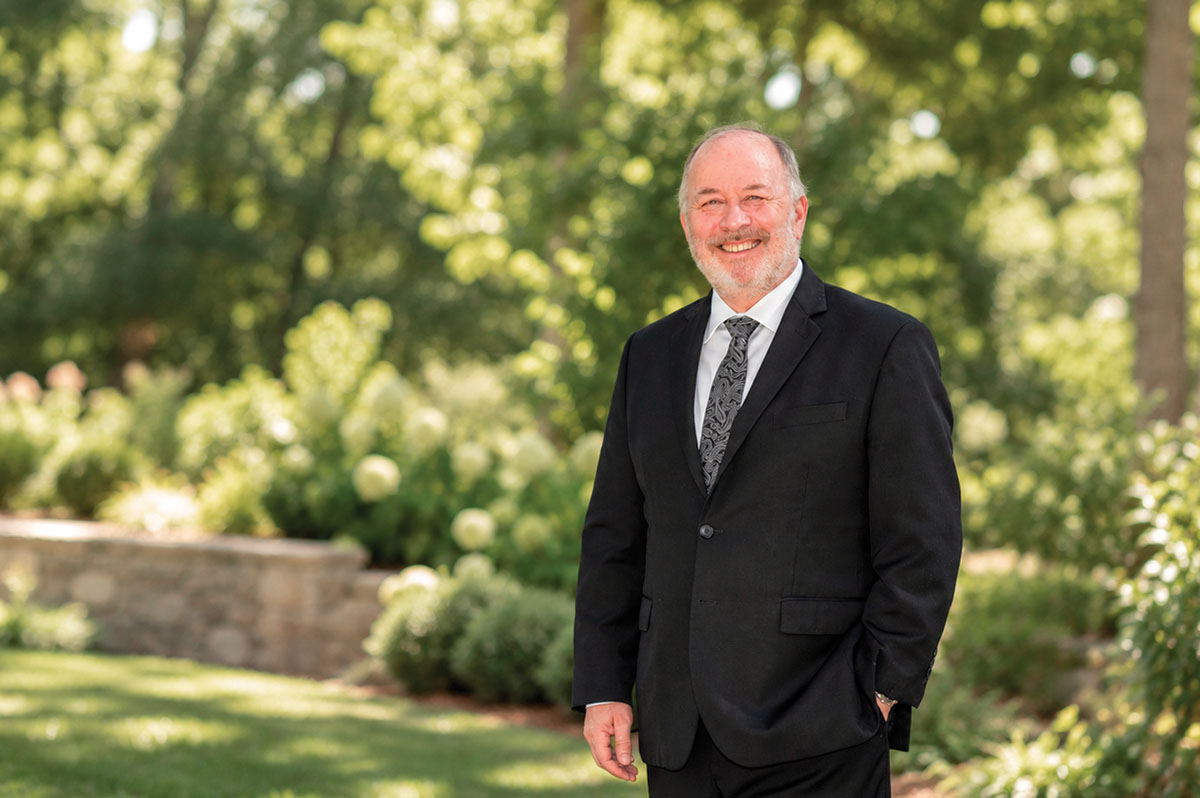
According to LATW Artistic Director Susan Loewenberg, the criteria for choosing plays with and without visuals are the same. “It has to be a good story with interesting characters. There has to be something moral, ethical, with a profound insight about human nature that gives the audience something to think about. You have to care about the characters and their plight and it has to evoke a larger question in you.”
Nevertheless, audio productions require some adjustments. “The first thing we do is take a look at all the visual cues and think about how to transform them into audio cues. We almost never do narration to explain it. We figure out how sound effects can substitute for visuals,” Loewenberg said. “The sound stimulates your imagination and you think about what it really looked like.”

Loewenberg works with playwrights to identify issues and potential changes, such as identifying characters in the dialogue by name. “More often than not their input is very valuable,” she said. In the case of deceased authors, “We have to ask the estate for permission. It can be a very lengthy, complicated, frustrating process.”
Not surprisingly, “streaming, broadcasting, podcasting and sales of their audio have increased dramatically since the COVID-19 crisis began, she said. “We’ve been able to be a real service because what we do is suited to this terrible situation. After the pandemic broke, we put together a list of titles for the junior high and high school curriculum and sent them to teachers’ organizations all over the country and the world, offering 25 plays and study guides without charge. Hundreds of teachers signed up. We’ve also reached out to nonprofit organizations all over the country,” a group of science-themed plays in the Relativity Series among them.
What began in 1974 as theater workshops in prisons evolved over the years into a more conventional operation.
What began in 1974 as theater workshops in prisons evolved over the years into a more conventional operation, founding member Loewenberg revealed. She started as a teenage actress in the TV shows “The United States Steel Hour” and “Kraft Television Theatre.” “My dad’s friend was a theater and television director and recruited me,” she said, noting that she decided to quit performing when she was almost 30, “but I still wanted to be involved in the theater.”
Loewenberg grew up in Trenton, N.J., descended from Latvian and Lithuanian Jews on her father’s side and German Jews on her mother’s. Her grandparents were very religious and kept kosher, but her family, members of a Conservative synagogue, did not. She attended Hebrew school, learned to read (if not understand) Hebrew, and has been a member of a weekly Torah study group for 15 years. “We’ve also studied other religions, other aspects of Judaism [and] Israeli literature. We just had a Zoom yoga session with a woman in Jerusalem who teaches classes in how the Torah relates to the body,” she said. “I’m very involved in Jewish tradition, culture, ideas about morality and how you live your life. I’m not a believer in God, but all of the tenets of Judaism mean a great deal to me and I try to live my life as a righteous Jew.”
Typically, LATW records seven plays per year at UCLA in front of an audience from October to June and also records in the studio. “We do four recordings of each play and edit the best takes together. Every year we take a play and tour it around the U.S.” Loewenberg said. This year, it was “Seven,” about women who overcame obstacles to make a difference in the world. But the coronavirus put plans for live recordings on hold, and forced the cancellation of the final 11 performances. Several plays have been chosen for next season, plans for which remain on hold for now.
“We look forward to the day when audiences can gather to experience the magic of live theater again,” Loewenberg said. “Until then, put on your headphones and immerse yourself in all that LATW has to offer.”
Visit LATW, LAMOTH, Kravis and BHTOTA for the titles specified in this story.