As a style writer and fashion magazine editor, Joan Kron knows all about cosmetic dermatology and plastic surgery. She wrote about them for 25 years as editor-at-large at Allure magazine. She knows who has had their bodies nipped and tucked, and who pretends they haven’t.
“In Hollywood, they take the ‘hypocritical oath,’ ” she said, “to deny the plastic surgery in public and have it in private.” The exception is comedians, who are painfully honest about their physical insecurities and what they have done to fix them.
In her new documentary, “Take My Nose … Please!” — which has received glowing reviews at film festivals and opens in Los Angeles on Oct. 13 — Kron follows the emotional stories of two female Jewish comics who are unhappy with their looks.
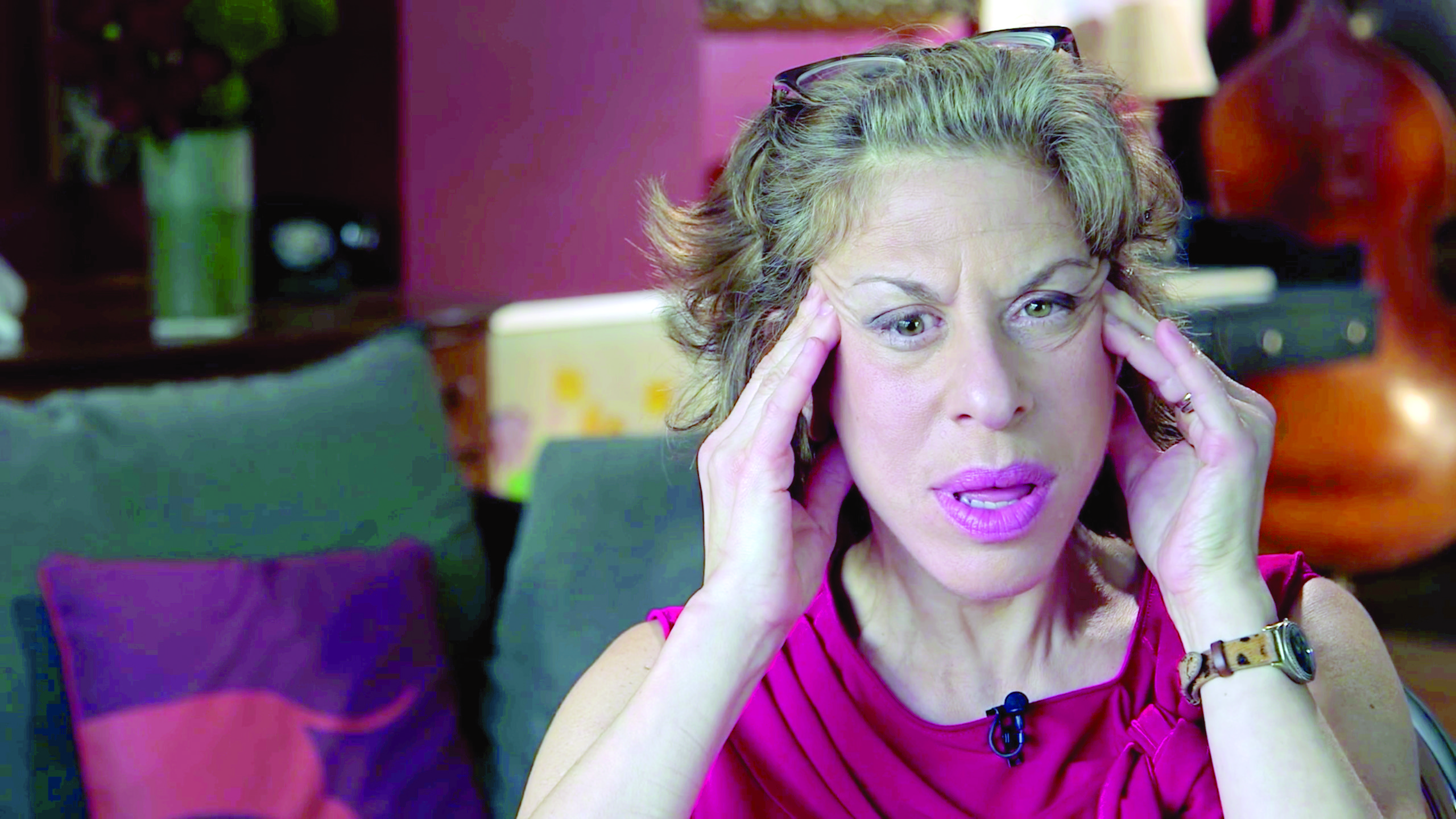
Emily Askin — a feisty, red-headed improv comedian — has a barely noticeable bump on her nose that she’s thinking of removing. Jackie Hoffman, an Emmy-nominated TV and Broadway performer, considers herself ugly, insisting in the film, “My biggest regret is that I didn’t take the nose job my mother offered me when I was 16.” She’s also thinking of having a rhinoplasty and a face-lift.
In the film, interviews, clips and commentaries from female comics inject much-needed humor into the discussion of face-lifts and nose jobs.
“I didn’t have to go that usual ‘Extreme Makeover’ route to get people’s attention. I would get people’s attention with comedy, and then I could tell a story,” Kron said.
Unlike typical celebrities, comedians are more upfront about their surgery stories and their reasons for wanting to change their appearances. The reasons usually have to do with societal demands placed on women to look youthful and the impact those demands can have on a career spent in the limelight.
“When you see an actress at some event, there’s always two comments: One is, ‘Oh, my God, do you see the work she got done?’ And then the other one is, ‘Oh, my God, she needs to get some work done,’” comedian Judy Gold says in the film.
Meanwhile, a series of psychologists, sociologists, medical professionals and cultural critics offer further insight into the relatively new industry of plastic surgery, even if the practice of altering body parts has been around since ancient times.
Kron traces the modern trend back to Fanny Brice (born Fania Borach), the comic headliner in the Ziegfeld Follies who was portrayed by Barbra Streisand in the 1968 musical film “Funny Girl.” In the vaudeville era, having an “ethnic” nose was not fashionable, and in 1923 she had it altered by a self-styled plastic surgeon with no medical degree and a trail of lawsuits.
At 89 years old, Kron has pulled off a late-career shift from print to film. Before Allure, Kron covered design and style as a reporter and editor at New York magazine, The New York Times, The Wall Street Journal and Avenue magazine. She also wrote about death and dying, an issue she wanted to explore after her 16-year-old daughter’s death in 1968 from a virulent sinus infection while on a humanitarian medical mission in what is now Sri Lanka.
“In Hollywood, they take the ‘hypocritical oath’ to deny the plastic surgery in public and have it in private.” –Joan Kron, documentarian
But her interest in the psychology of beauty led her to write about plastic surgery.
“I was the only reporter in the country covering plastic surgery full time for a consumer magazine. I invented the beat,” she said.
Her credentials were unbeatable: She had been married to a general surgeon for 20 years. “I don’t faint at the sight of blood,” she joked.
Kron first wrote about plastic surgery in the early 1980s. After talking to a handful of doctors, she decided to get a face-lift herself. At the time, plastic surgery was considered so verboten that she had to use pseudonyms for the doctors she interviewed, and her literary agent convinced her to publish it anonymously.
Kron doesn’t pass judgment on women who have gone under the needle and knife. (Of the 17 million cosmetic procedures performed in the U.S. in 2016, 92 percent of the patients were women, according to the American Society of Plastic Surgeons.) Rather, she empathizes with her subjects as they struggle with the decision of whether to change their appearance. She believes her own surgically enhanced face reflects her inner youth.
“If you see a picture of me, I don’t look like Grandma Moses. I’m a bleach blonde!” she said. “I’m a woman of a certain age, but I don’t feel old when I look in the mirror. And that helps me.”
Kron says she didn’t make the film to send a message. She’s not looking to change people’s minds about plastic surgery. She regards herself as an investigative journalist, not an activist. And yet, she thinks most reporting on plastic surgery misses the point.
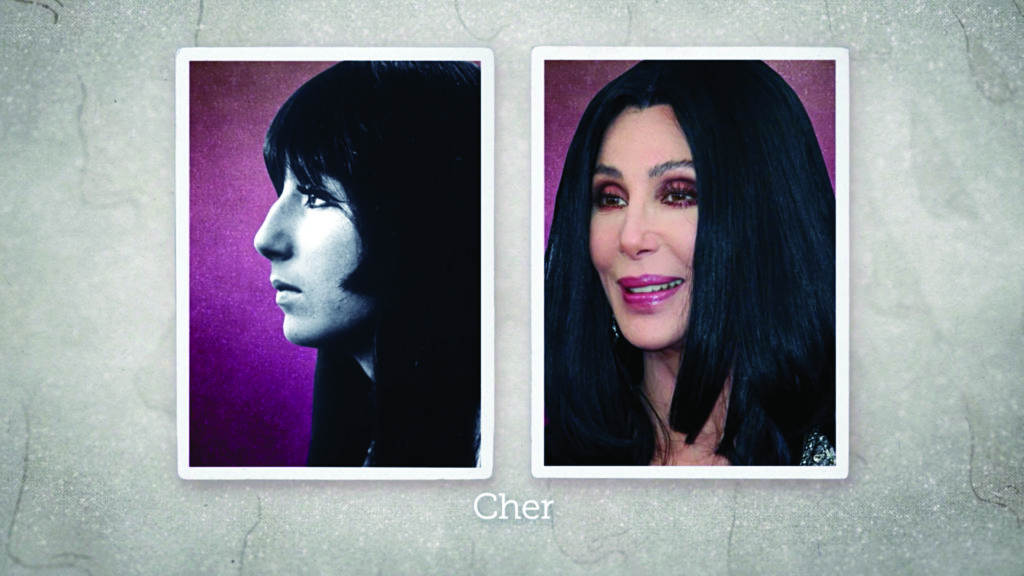
“What the media is always focused on in plastic surgery are the extremes” — such as Michael Jackson and the “catwoman” Jocelyn Wildenstein — “and that’s what fascinates people,” she said. “They love to be critical of it and say, ‘Ain’t it awful?’ But that’s not my experience of plastic surgery.”
Kron has written about the risks of plastic surgery — the unintended deaths and disfigurements — as well as the rewards. Women who get plastic surgery aren’t looking for radical transformations, “They want a better version of themselves,” she said.
The taboo of plastic surgery has largely lifted in the decades that Kron has been writing about it. While still stigmatized, the popularity of the Kardashians and the era of the selfie have helped the practice go mainstream.
“Fifty years ago, women wouldn’t tell anyone they dyed their hair,” she said. “I think, eventually, people will become more open about [plastic surgery]. It’s happening already, but only in very close-knit circles.”
High-minded discussions of the merits or ills of cosmetic surgery can quickly become tedious, but that’s not the case with “Take My Nose … Please.”
Does plastic surgery empower or oppress women? Like beauty, it’s in the eye of the beholder.
“Take My Nose … Please!” screens in Los Angeles Oct. 13-19 at Laemmle Monica Film Center.