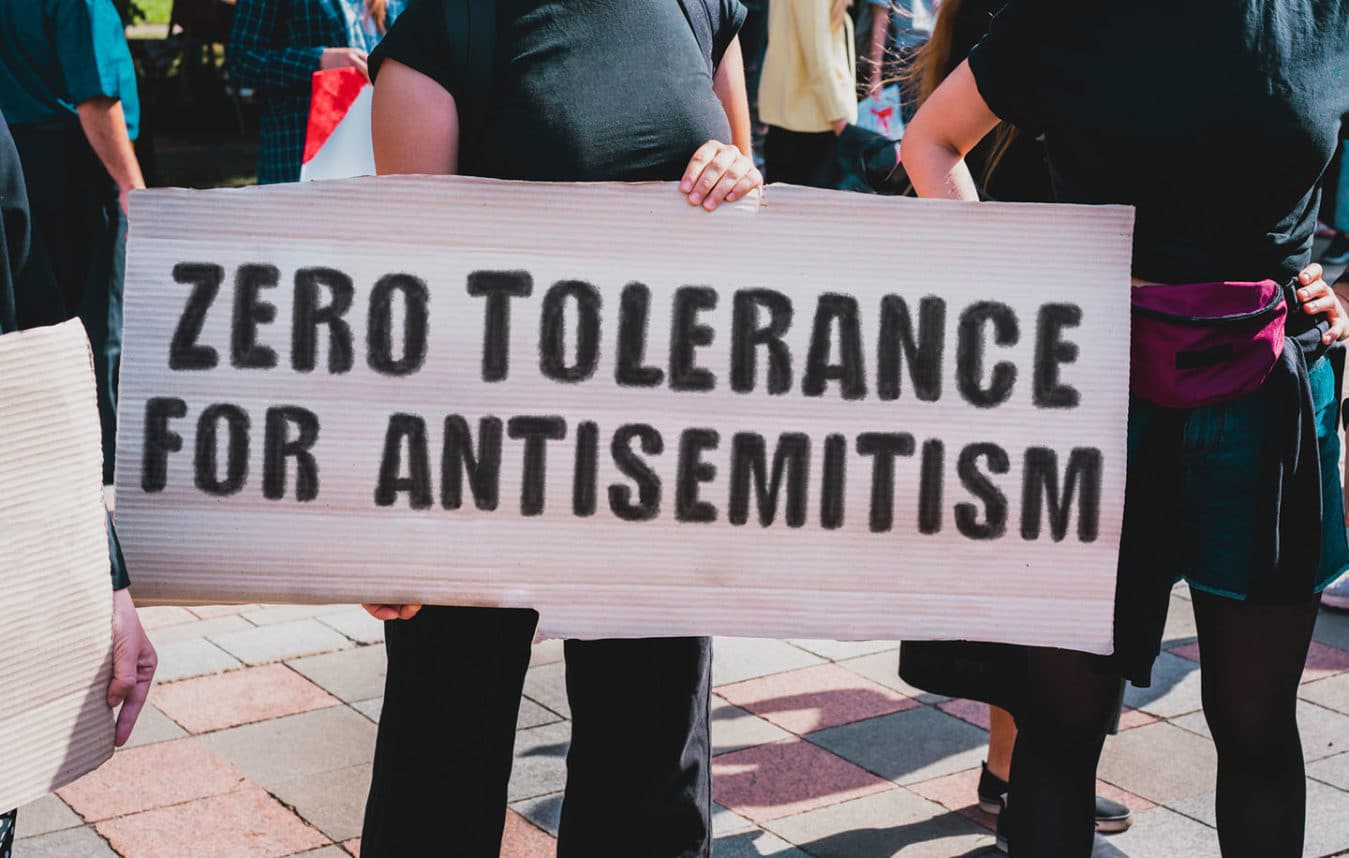
If Jews come to believe that changing their policies is the key to fixing antisemitism, they are likely in for disappointment.
Those who would revel in Israel’s demise are claiming victimhood on every front and denying attacks on us in the same breath.

Every time Americans fill their cars, buy groceries or book an airline ticket, they are paying an invisible terrorism tax.
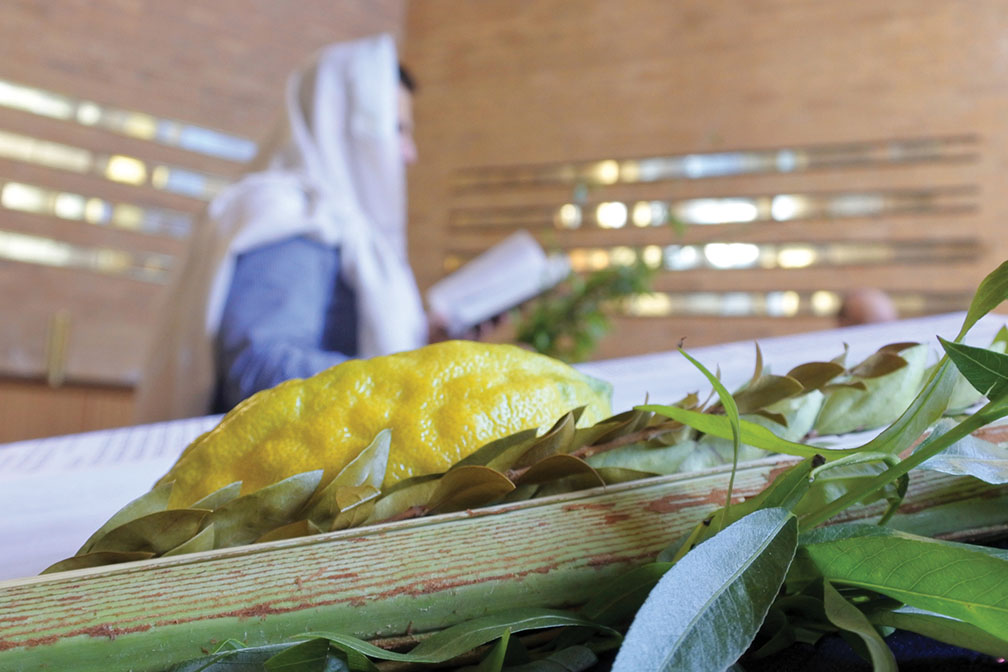
Family wants everyone around the table, because we care about each other.

After Oct. 7, the sentiment in Israel toward the Iranian leadership was unequivocal: You went medieval — so we will go biblical.
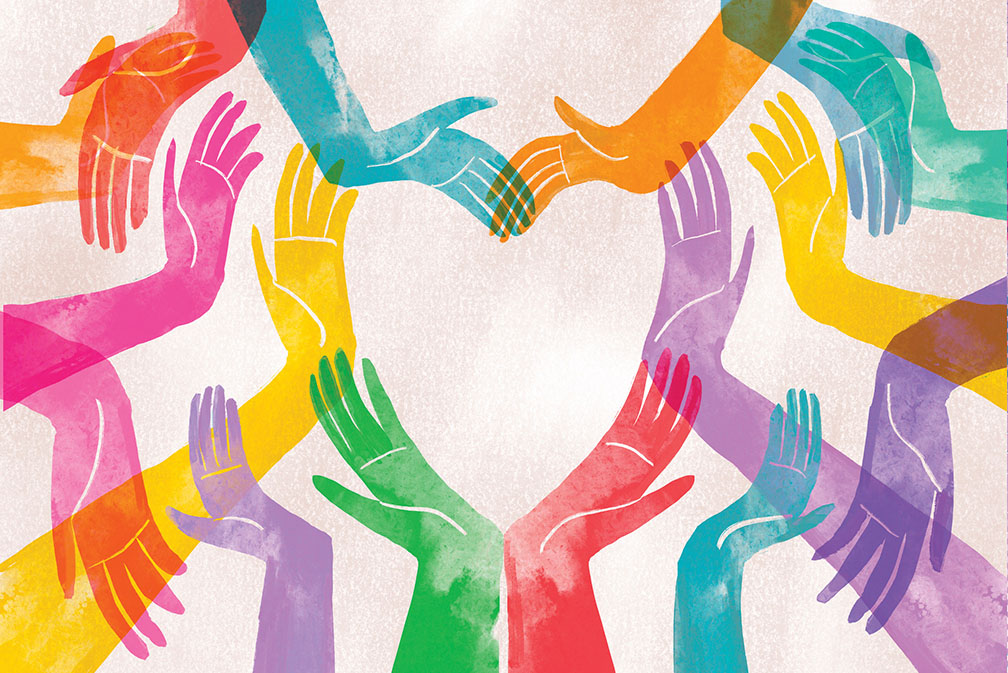
This year, I bless us that we open our eyes to truly see the beauty and the holiness of the world, and of the person before us at each and every moment, and to see the godliness of their aspirations and their fears.
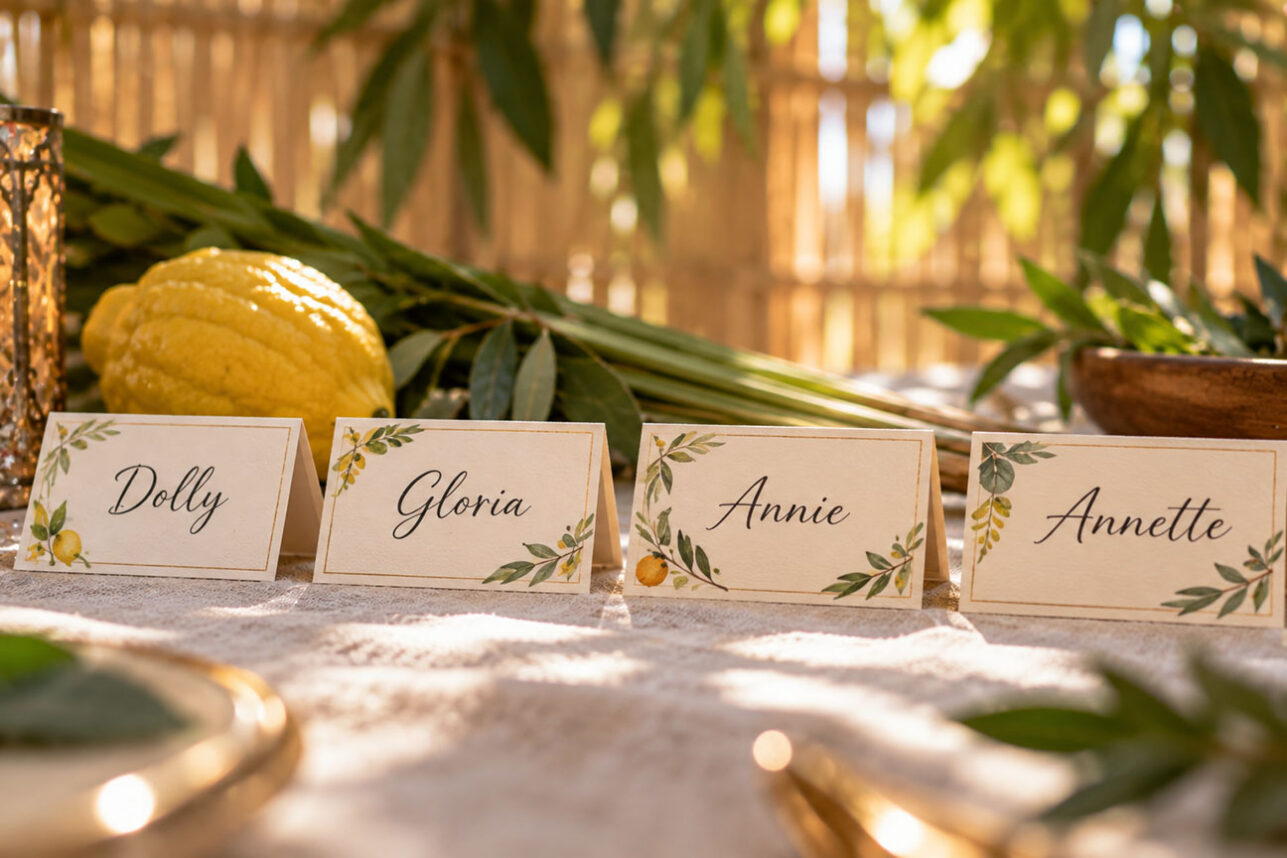
Ushpizin invite us to “welcome in our ancestral constellation and dwell amongst them.” This year, it’s Ushpizot, for the women. It’s the year of the Feminist Visitation.
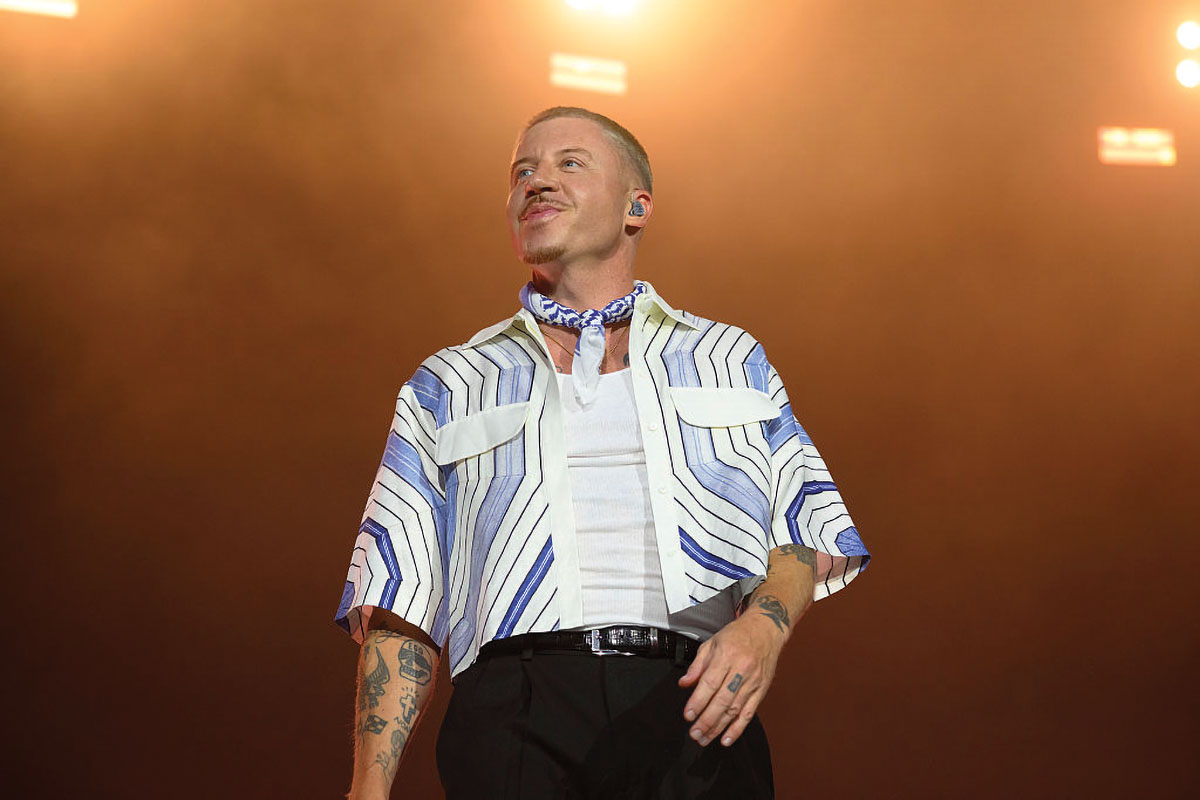
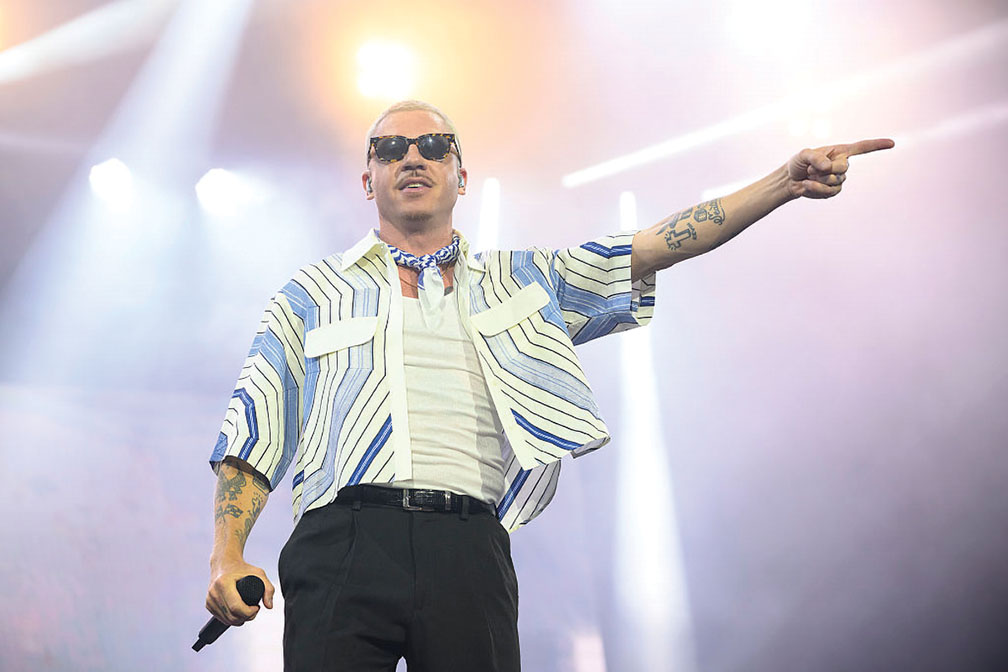
In between his songs, he proclaimed, “Free Palestine,” which is fine, asserted that opposing Israeli military actions is not antisemitic, which is accurate, and accused Israel of apartheid and genocide, which is offensive, untrue and hateful.
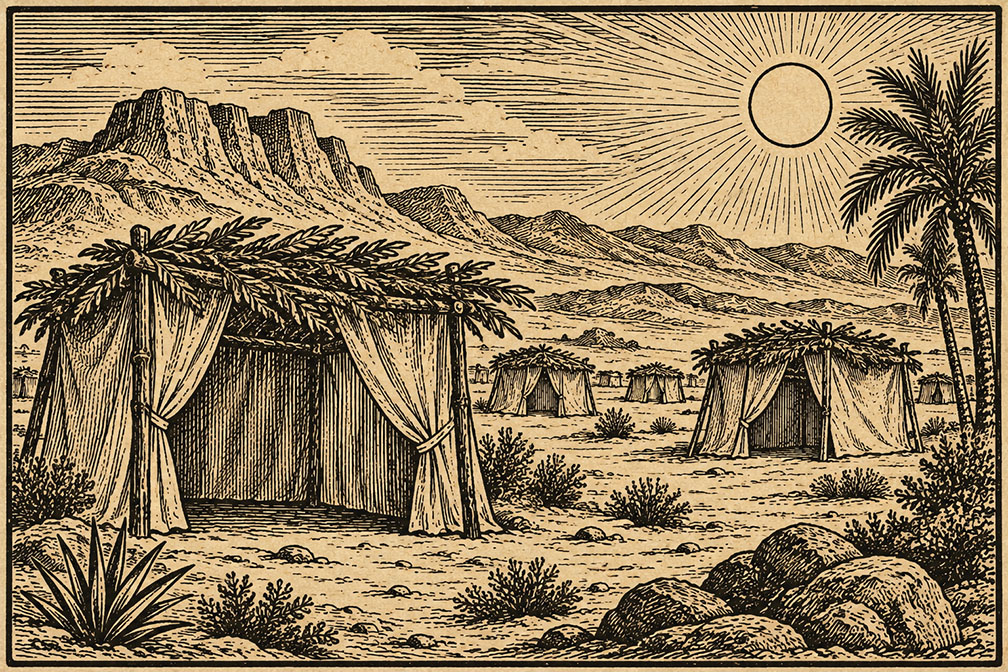
To Rabbi Eleazar ben Judah of Worms (1176-1238), the medieval German pietist known as the Rokeach, the sukkah symbolized Jewish military might.

There is deep wisdom for men in Sukkot and its ritual objects.

They can destroy our Temples, demonize us in social media, shower us with hate, but they can’t destroy a spirit that never stops building. That enduring spirit is the power of the sukkah.
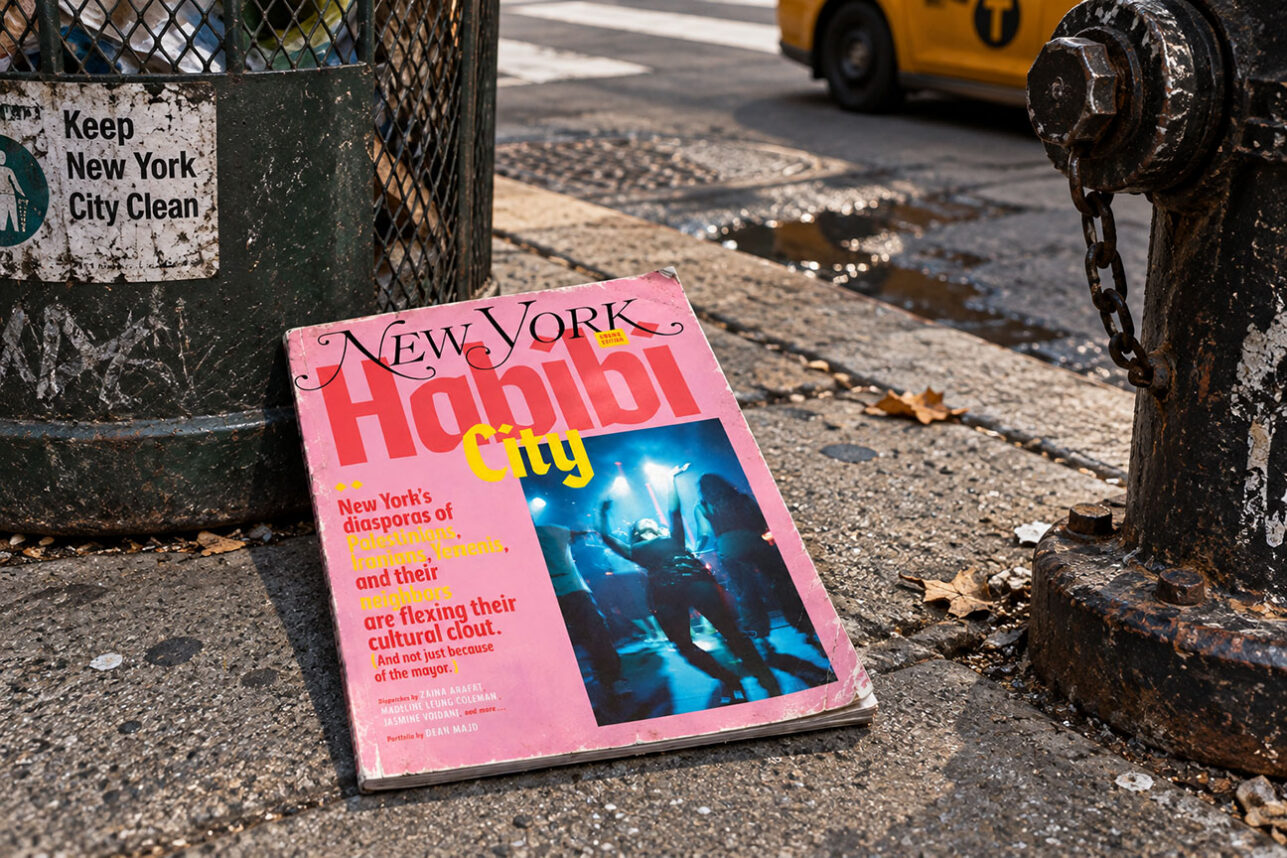
A satirical response to Zaina Arafat’s erasure of Jews in her New York Magazine article “Habibi City,” written as Zaina Arafat.
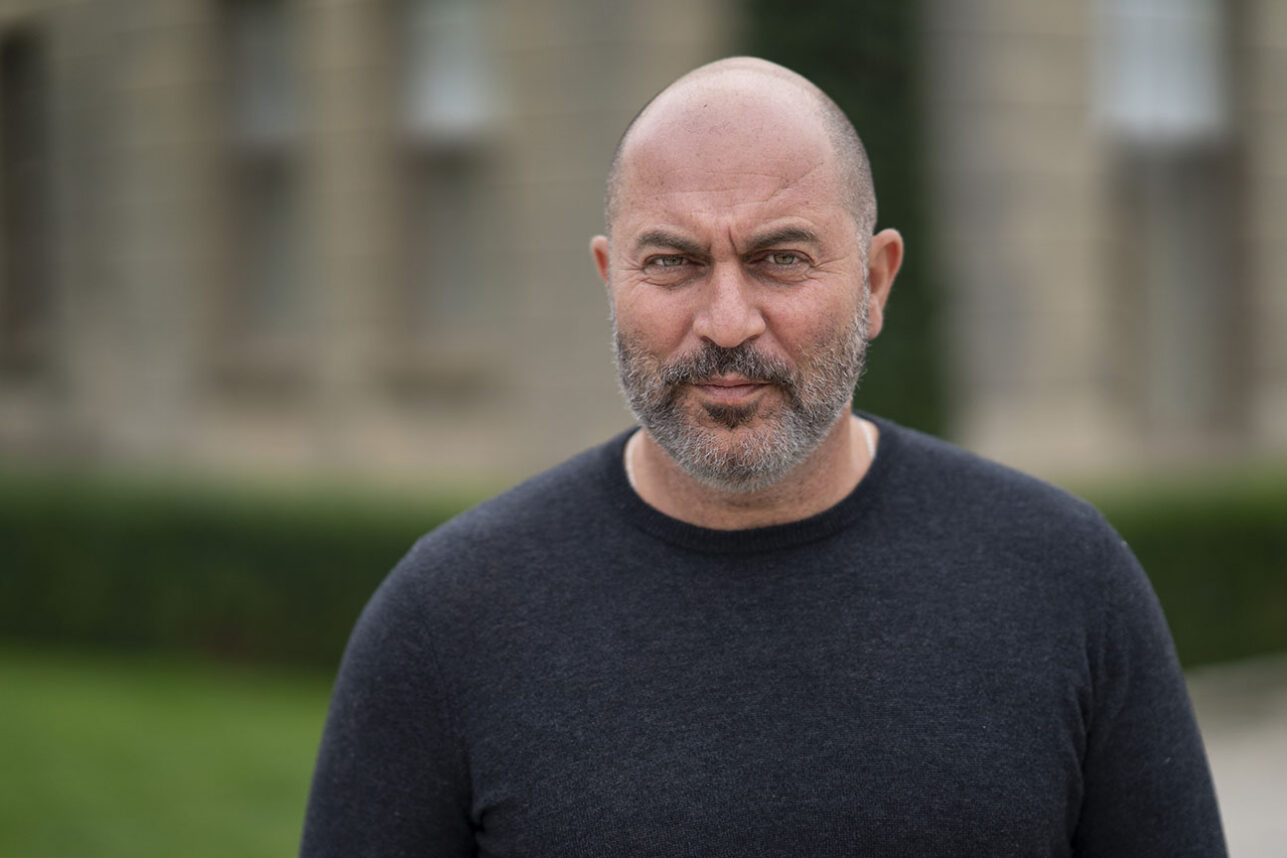
In many of the nations that believe Israel has no right to exist and routinely root for terrorists to slaughter Jews, a TV show that depicts Israeli covert operatives outsmarting and dispatching Arabs has an inexplicably loyal global audience.
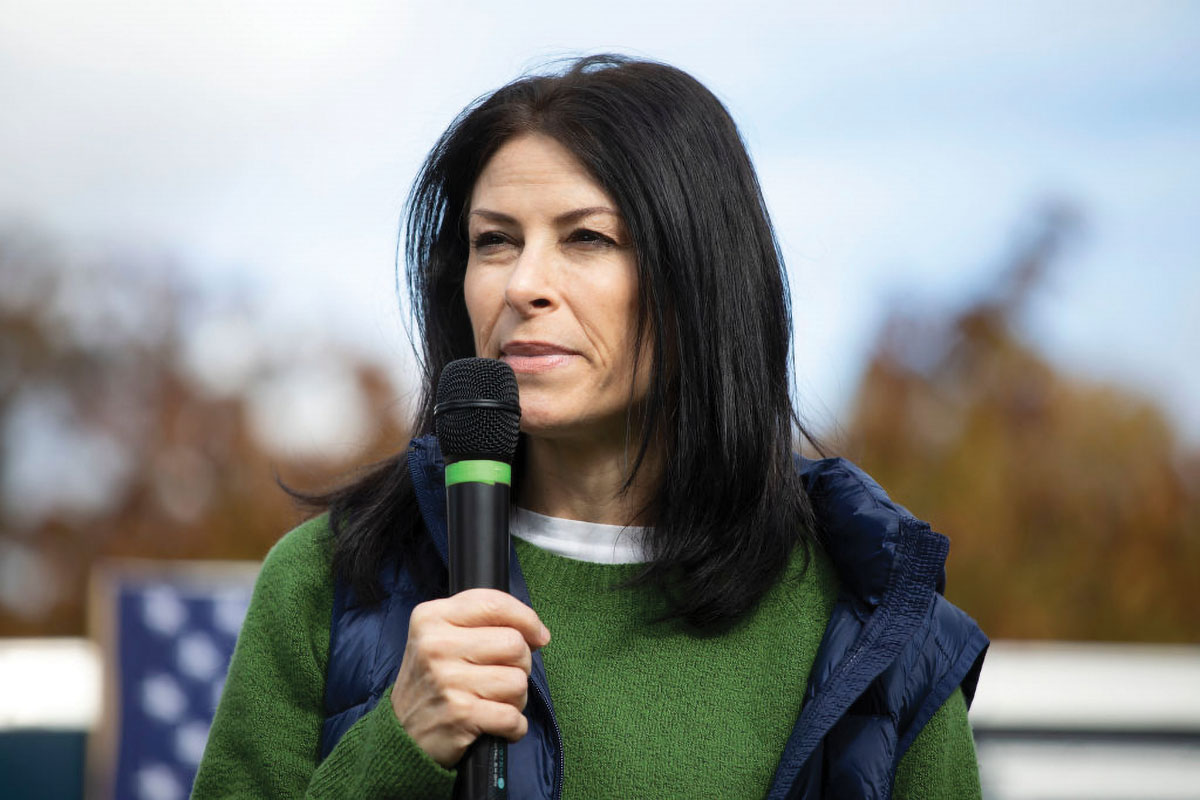
Those of us who are not of the Democrat politic party have believed that the Democrats have done little to stop the disease of Jew hatred from infiltrating their party.
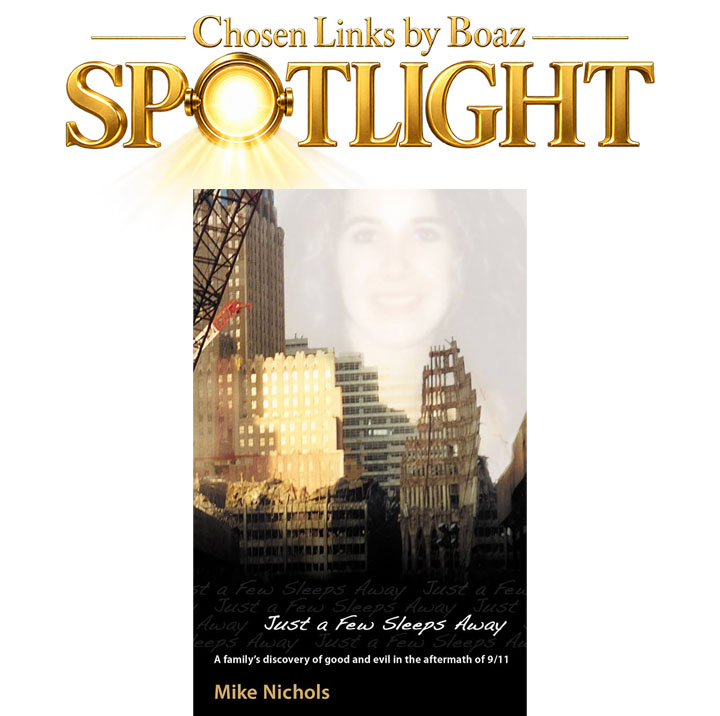
A family’s discovery of good and evil in the aftermath of 9/11
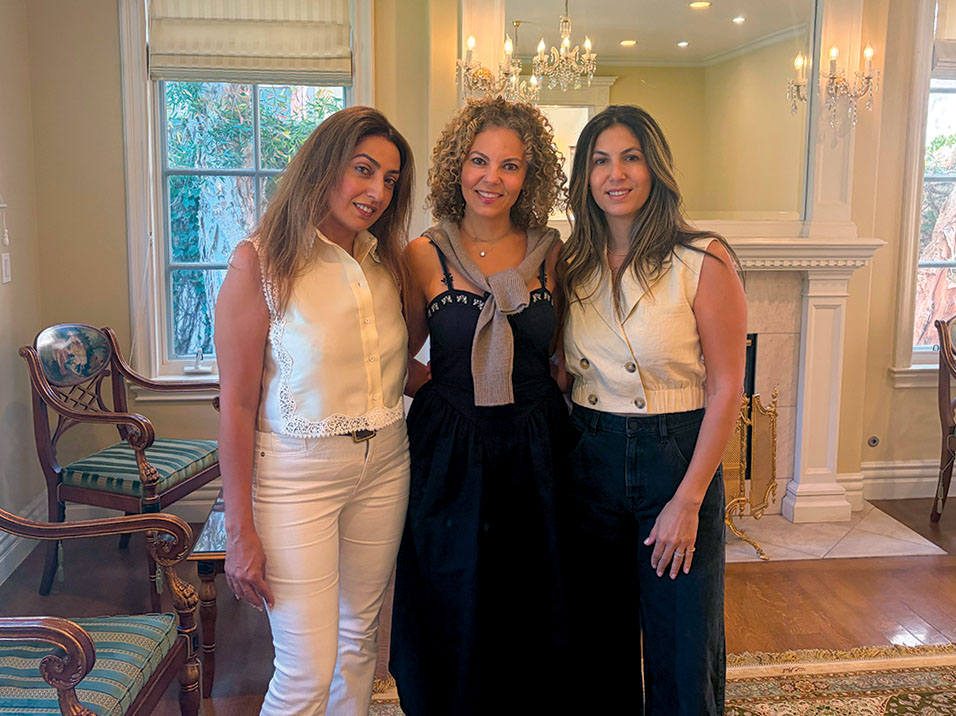
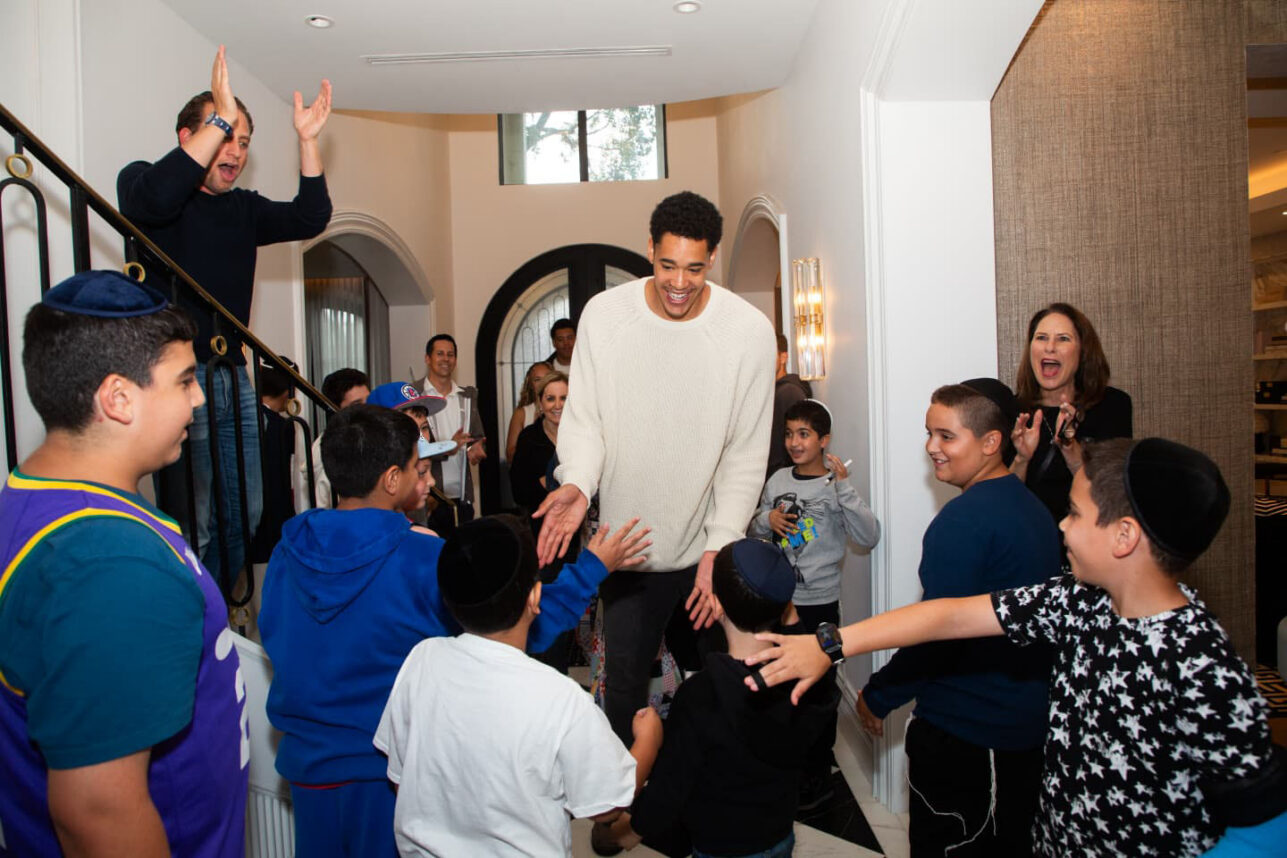
Notable people and events in the Jewish LA community.
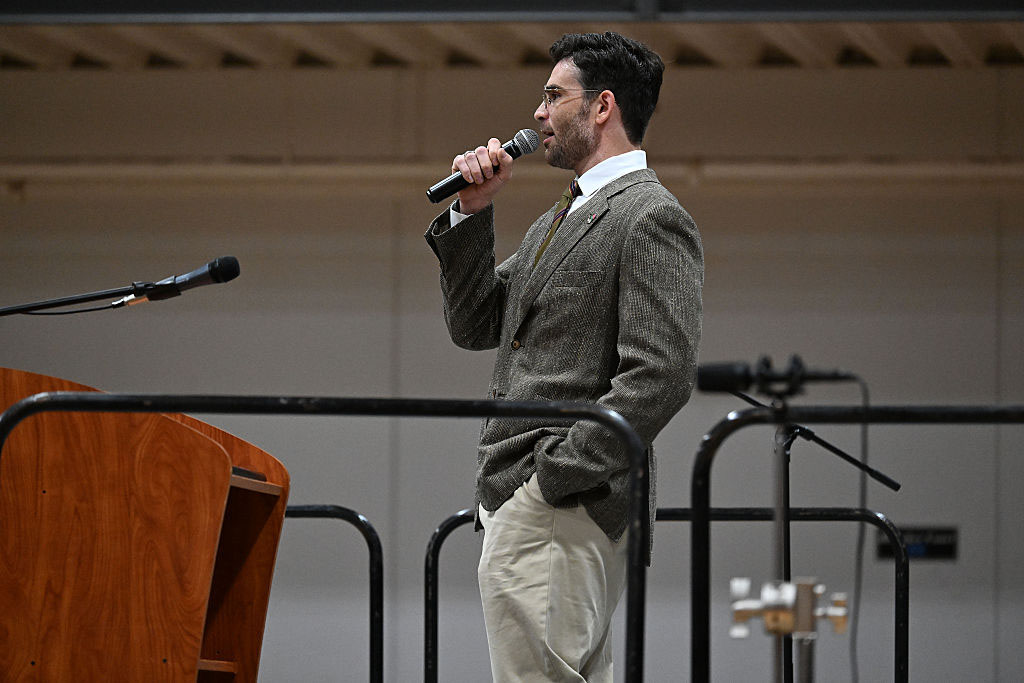
At Cornell, he is speaking at an event hosted by the Students Not Bombs campaign, which is demanding that the university divest from Israel.

Listen – Moses is about to sing a song
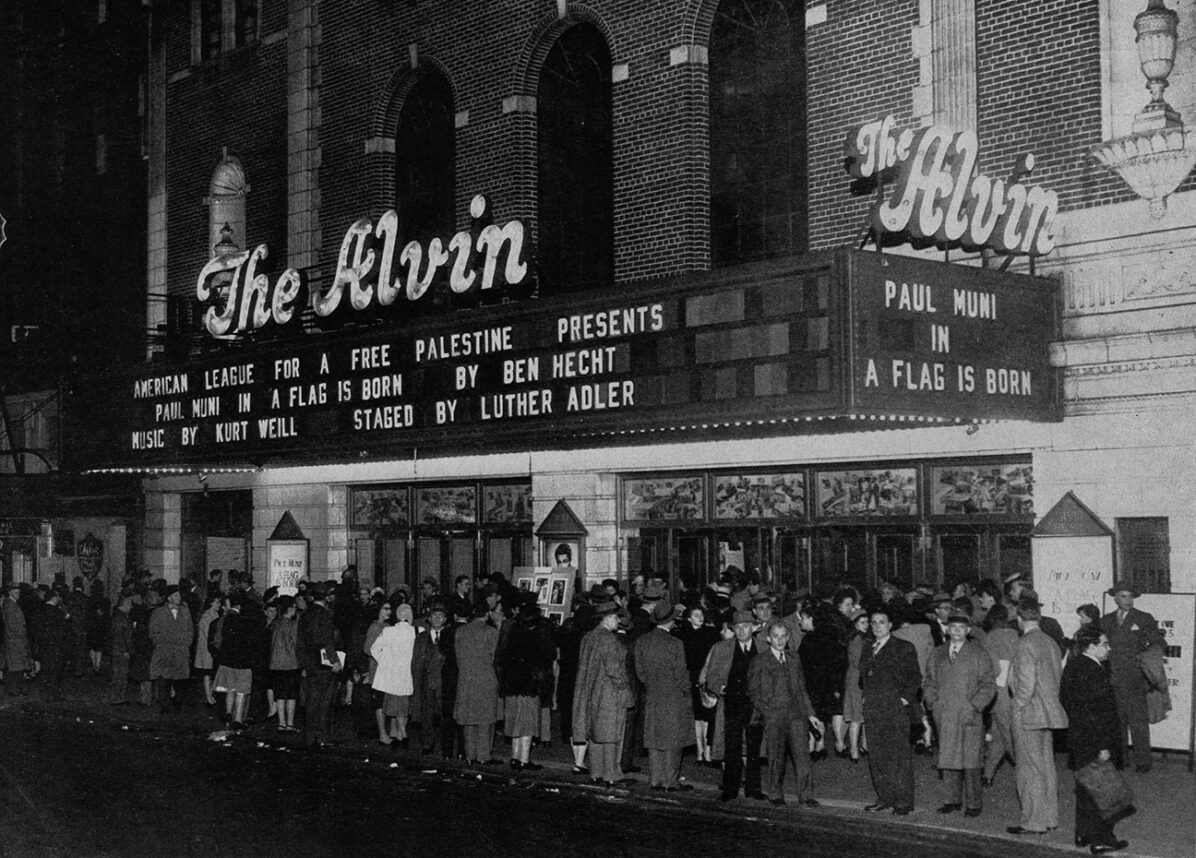
When many of America’s leading celebrities called for a “Free Palestine” eighty years ago this week, they were talking about freeing Palestine from British occupation, in order to establish a Jewish state.