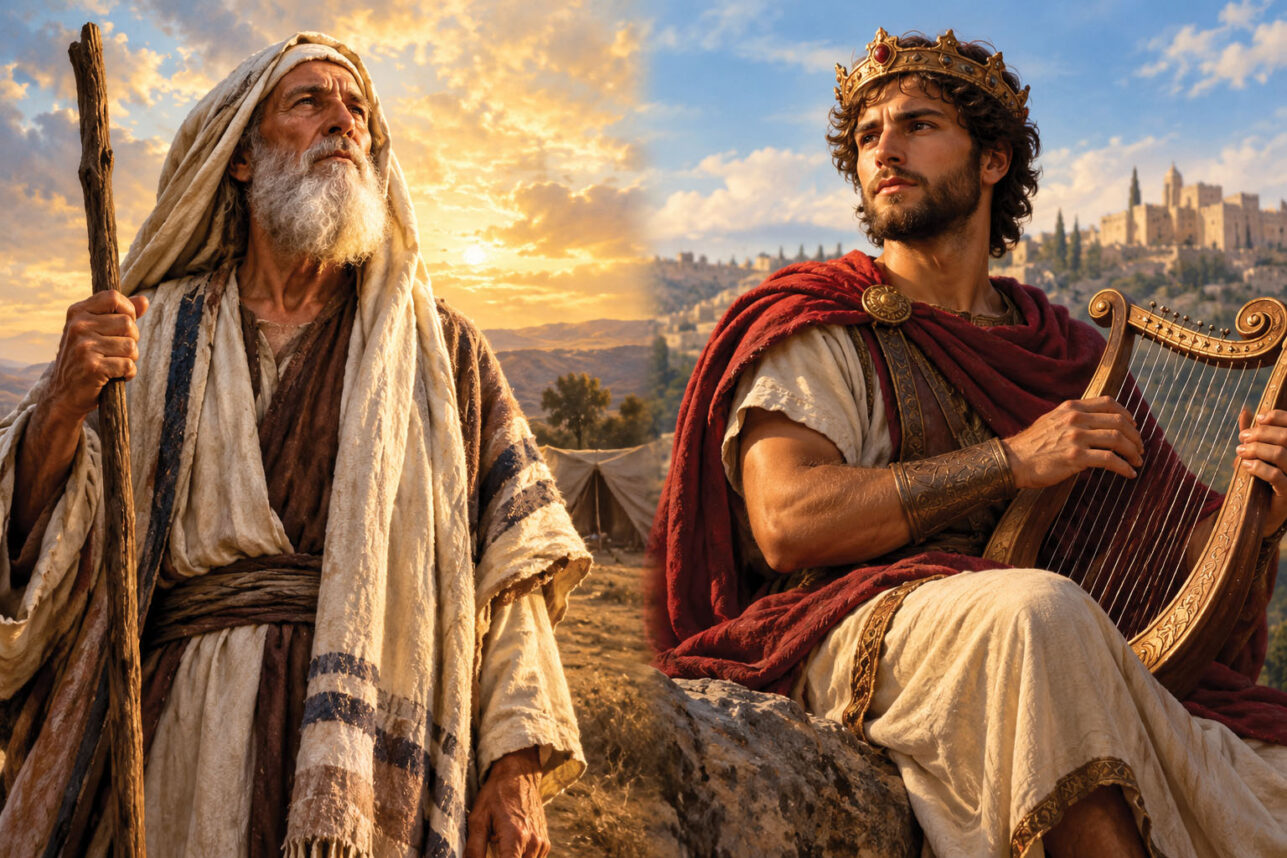
How did we get from Yehudi to Jew? Originally, the word referred to a member of the tribe of Judah; later, someone from the kingdom of Judah, but in the late books of the Bible, the word takes on the meaning of Jew as we use it today (in Esther 2:5: Mordecai is called ish
yehudi, “a Jew”; 8:17: yehudim, “Jews,” and mityahadim, “Gentiles professing to be Jews, becoming Jews, probably undergoing a circumcision”).
In European languages, there is the Greek-Latin Ioudaios (h omitted); English first kept the d, Iudea, and later influenced by (ancient) French so that Juiu became Jew (m.); Juiue (f.) became the modern French Juive (f.), derived from Juif (m.); but the d is retained in German, Jude, in Yiddish, Yid, and in Spanish, Judio.
Older English also used Jewess (f.); modern Hebrew: yehudiyyah, “Jewish woman” (noun); yehudit, “Jewish” (f. adj. and proper name, Judith); and idit (תידיא),“Yiddish.”
Yona Sabar is a professor of Hebrew and Aramaic in the department of Near Eastern Languages & Cultures at UCLA.