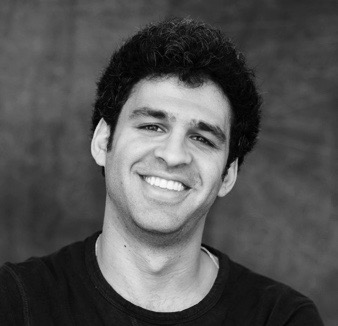
Yehoshua Lowy, a former cocaine and heroin user, said he weighed 127 pounds and had track marks up and down his arms when he entered the Los Angeles-based Chabad Residential Treatment Center in 2010.
On Nov. 23, the 29-year-old New Jersey resident celebrated five years of sobriety, having gone through the six-month program at the nonsectarian rehabilitation organization for men that mixes psychotherapy, a 12-step recovery regimen and optional religious activities.
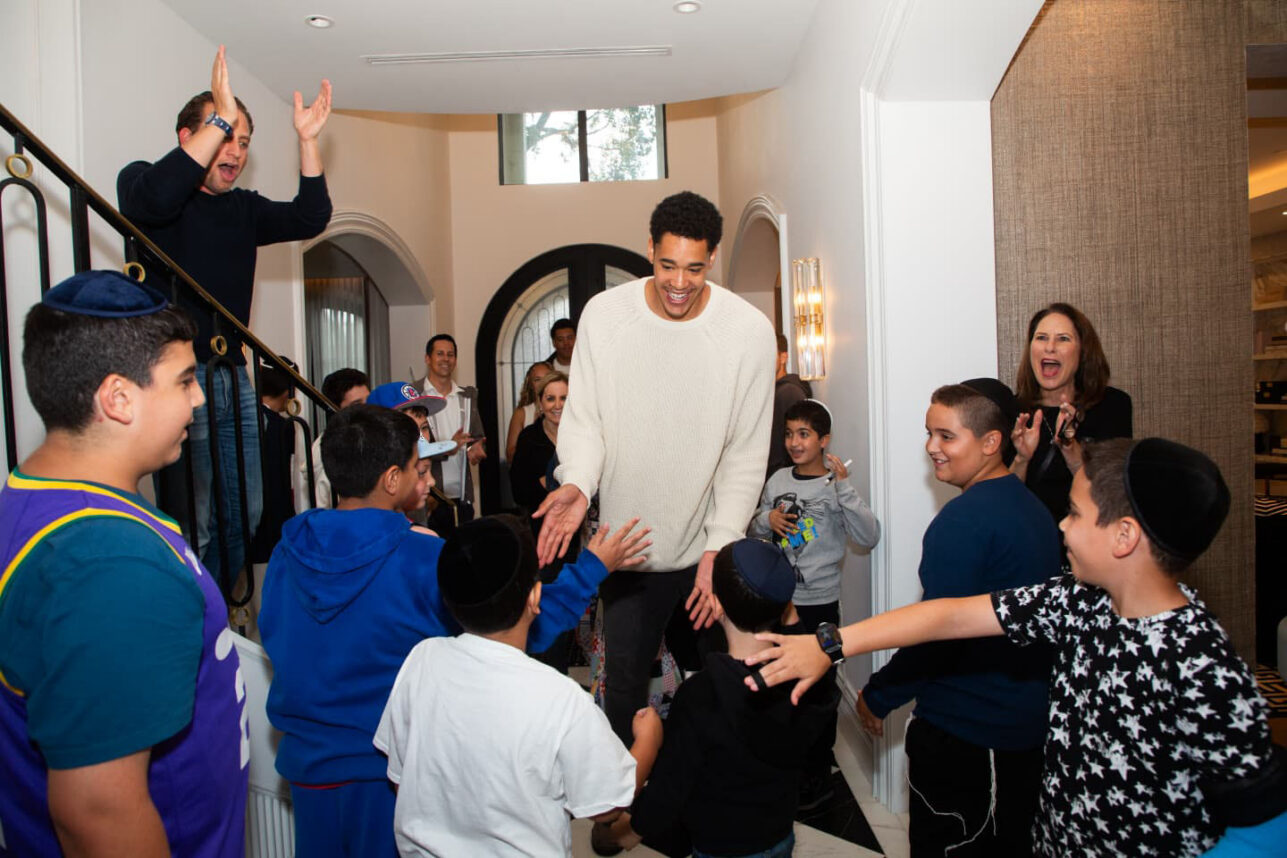
But he had an additional reason to celebrate: About three weeks earlier, on Nov. 9, he married Leeav Waldman in an East Coast ceremony. More than a dozen of his peers from the Chabad program were at his wedding, as was a staff member from the rehabilitation center.
“Quite simply, I would not have a life without Chabad. I would not be where I am today because I would not have a life, and it’s an amazing, amazing place,” he said during a phone interview while on his honeymoon at Catalina Island’s Hotel Metropole. “I’ve developed strong friendships and strong relationships that will be forever, that are real, are true, and I can’t thank them enough.”
After finishing at the rehabilitation center, located in the Miracle Mile district, Yehoshua developed a plumbing business before deciding that finding a life partner was the next step in his life.
“The next stage was trying to get serious about finding a girl that was nice and someone I could settle down with,” he said.
With this in mind, he moved his business to the East Coast. About six months ago, he met Leeav, and today they live as husband and wife in Teaneck, N.J.
“We’re Jewish,” he said. “We move very quickly.”
Four Jewish weddings involving graduates of the Chabad Residential Treatment Center have taken place since Oct. 21, according to Donna Miller, director of the center.
Witnessing Chabad clients’ personal journeys culminate under the chuppah is particularly rewarding for Miller. She said she makes it a point to attend as many weddings of the center’s graduates as possible. (She was unable to attend the Lowys’, but it was her connection to the Catalina hotel — her family owns it — that enabled the couple to stay there for their honeymoon.)
She said such marriages demonstrate how much clients have grown as part of their rehabilitation.
“They come here not in the healthiest state of mind, relationship-wise, and not connected to their roots. [They’re] kind of angry at things in their past, sometimes really broken, and, having gone through the program and putting their life back on track and focusing on building their life and career and staying connected in recovery, they meet great women,” she said.
Another such success story is Pico-Robertson resident and 2013 treatment center graduate Ben Lev, 37. He was arrested three times for drug possession — he said he has a history of abuse with cocaine, heroin and methamphetamine — before he entered into the Chabad facility, where he completed the six-month program. Afterward, he lived in the center’s sober housing.
During his treatment, he met his future wife, Me’irah, through one of the facility’s staff members. Me’irah was based on the East Coast and was video chatting with the Chabad center’s program manager, who was an old friend of hers, Lev said. Soon the two were video chatting, as well. They were married Oct. 25 in Monsey, N.Y. — Miller was among the attendees — and today, the two live together in Los Angeles.
“I think being at Chabad and the experience I had there really prepared me for the next chapter in my life, which, to me, was this marriage. There is no way I could have been ready for it otherwise,” said Lev, who works as a video editor and who continues to give back to the treatment center by going on hikes with current clients, as well as donating funds.
“Really, it’s just an opportunity for me to give back to a community, to a place that has given me so much,” he said.
Despite her job title, Miller said her work is more akin to the jewelry business, and that Chabad’s program is a gem that cultivates gems.
“These guys who come in [are] a little shmutzy — it means ‘dirty’ — but if you polish it, that diamond shines.”