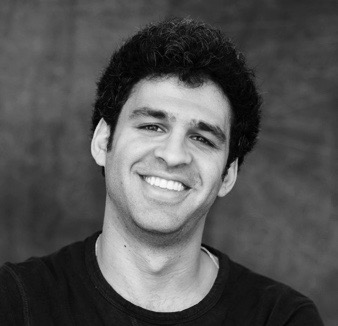
Jessica Youseffi and Sarah Shahawy, two undergraduate students at the University of Southern California (USC), discussed how the teachings of Judaism and Islam, their respective religions, obligate them to accept people of other faiths and to work toward tikkun olam.
Youseffi, during a phone interview, spoke about an idea used to describe the Torah, the concept of 70 faces — “the idea of pluralism, [of] so many different perspectives, each valid and unique,” she said.
Shahawy, in a separate interview, said, “For me, as a Muslim, I think it’s part of the Islamic theology and tradition to get to know people of other faiths and work with them. [There is] the call to service, to be aware of the suffering of the people around us and work to alleviate it.”
On Nov. 7, the two of them, along with Rabbi Lori Schneide, director of Jewish Life at USC Hillel, organized an event that showed the potential in community service in working toward religious pluralism. Under their leadership, 21 Jewish and Muslim college students came together in the Santa Monica-Venice area for nearly a day’s worth of giving-back-related activities.
They donated blood to Cedars-Sinai Medical Center, cleaned up trash on the beach near the Santa Monica Pier, walked part of the distance in the Westside Food Bank’s 20th annual 5K Hunger Walk after preparing finish line token bags for other walkers and bought toiletries from the 99 Cents Only Store to be included in hygiene kits that will be distributed in the future in the Skid Row area.
Their efforts didn’t go unnoticed. “We’re really, really appreciative of the USC group,” said Dave Keys, the blood drive coordinator at Cedars-Sinai Medical Center, who wore a bright red “Give Blood” sticker.
Coinciding with the Weekend of Twinning, a national project that encourages congregants of mosques and synagogues to work together, the USC students’ event marked the first collaborative effort between the university’s Hillel and the Ansar Service Project, a Muslim community service organization based out of USC.
The group’s actions also served to counterbalance clashes between Muslim and Jewish students on campus, arguments that arise from opposing views on the Israeli-Palestinian conflict. The issue is a point of tension on campuses everywhere. Last April, The Jewish Journal ran a cover story, “Is UC Irvine Safe for Jews?” following an incident with a Muslim student group protesting the appearance of Michael Oren, Israel’s ambassador to the United States.
On Nov. 7, though, the group set aside conversations about Israel and Palestine and opted for a day of hanging out and giving back.
“Once we have relationships and we’re friends, we can begin discussing our complex issues,” Schneide said, while she and the other students rode on a rented bus that took them from USC in the morning to each event site throughout the day.
They met at the USC Hillel at approximately 9:30 a.m. and returned around 5 p.m., after eating a late lunch at Dhaba Restaurant, where they reflected on the day’s events.
“I’m really happy,” Youseffi said. “This is definitely the first building block toward further understanding.”