There are few conferences where attendees recognize one another even before reaching the conference hall. Yet at the Israeli-American Council (IAC) Summit in Florida, that recognition began at the airport — regardless of which one.
During a layover at Dallas-Fort Worth, I noticed a small group of adults and teenagers nearby. From snippets of their conversation, it was clear they were headed to Fort Lauderdale.
“Are you going to the IAC conference?” I asked.
They looked surprised and answered yes. The group included Rabbi Andrew Bloom, his wife Michal, a teacher, the principal and their students. For the teens, this would be their first time attending the summit, where they planned to take part in programs and workshops designed especially for young participants. They came prepared with suitcases full of candies, snacks and bathing suits.
Once we landed and I made my way to the rideshare area, dozens of people were already waiting for their Uber or Lyft. Many of them were speaking Hebrew. And as Israelis often do, a father and daughter who learned we were headed to the same place — the Diplomat Beach Resort — invited me to join them for the ride.
By the time I reached the hotel’s check-in counter, I had already run into a dozen people I knew. There were hugs, quick catch-ups and repeated stops — half a dozen more — on the way to my room.
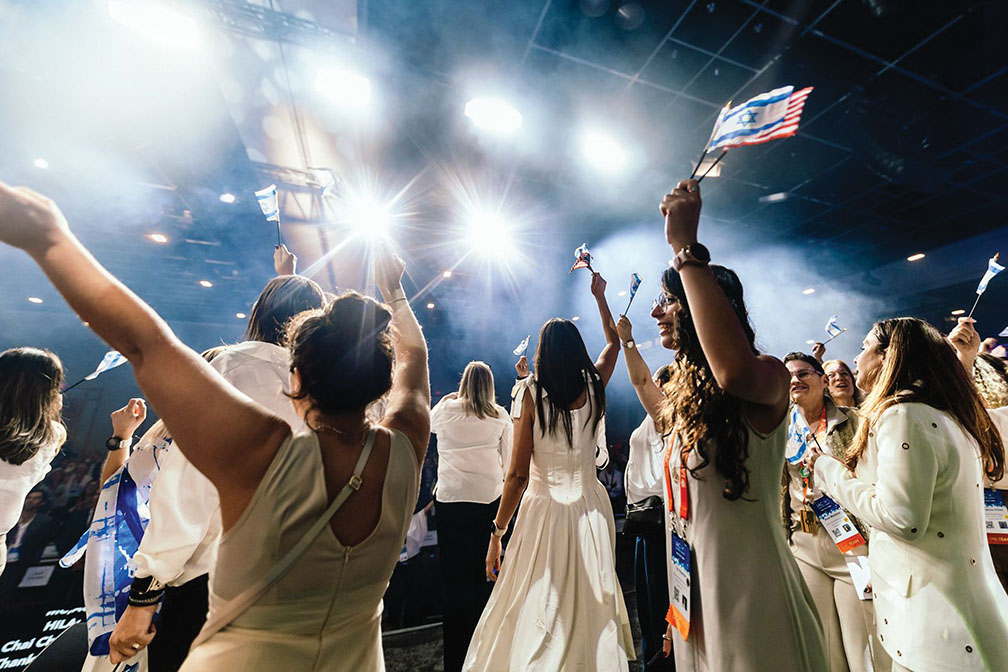
More than 3,500 participants — Israelis and American Jews, teenagers and veteran community leaders — had gathered for a three-day convention that blurred the lines between conference, reunion and social scene.

This marked the 10th annual summit, and it featured a packed program that included panel discussions and workshops with titles such as “How to Pass Judaism and Israeli Identity to the Next Generation and Raise American Jews Who Won’t Turn Their Backs on Israel” and “When the World Turns: Exposing the U.N.’s Double Standard on Israel.” There was also a dedicated medical track featuring professionals from across the healthcare world, alongside numerous panels focused on antisemitism and strategies for combating it.
In addition, dozens of organizations staffed information tables throughout the conference, each hoping to attract support and donations — all united by a mission to advance causes connected to Israel.
The nonprofit IAC had come a long way since it was first founded in 2007 by Israel’s Consul General, Ehud Danoch, together with a group of Israeli-American business leaders in the local LA community. Many of its founding members are still active in the organization, including Adam Milstein, Naty Saidoff, Shoham Nicolet and Shawn Evenhaim.
The turning point in the organization came in 2013, when Milstein invited Dr. Miriam Adelson and her husband, billionaire Sheldon Adelson, to an IAC gala. They immediately saw the potential, and they believed in the mission. The Adelsons took the organization, then known as the Israeli Leadership Council, under their wings. It was renamed the Israeli-American Council to reflect its growing nationwide reach. Soon after, it expanded across the United States, establishing regional chapters and hosting community events, leadership programs and educational initiatives, all aimed at cultivating Israeli-American identity, bringing the Israeli and American Jewish community together and encouraging civic and cultural engagement.
Across the country, countless Jewish and Israeli nonprofits compete for attention and support, each offering important services and hoping to make an impact. What sets the IAC apart is its community-focused mission. It seeks to provide meaningful programs and opportunities rather than just ask for donations. The bigger question, though, is how eager the broader Jewish community is to engage with what it has to offer.
Most of the people attending the summit were Israeli-born, but there were also American Jews, as well as members of other organizations who appreciate the IAC’s mission and its importance to the Jewish community.
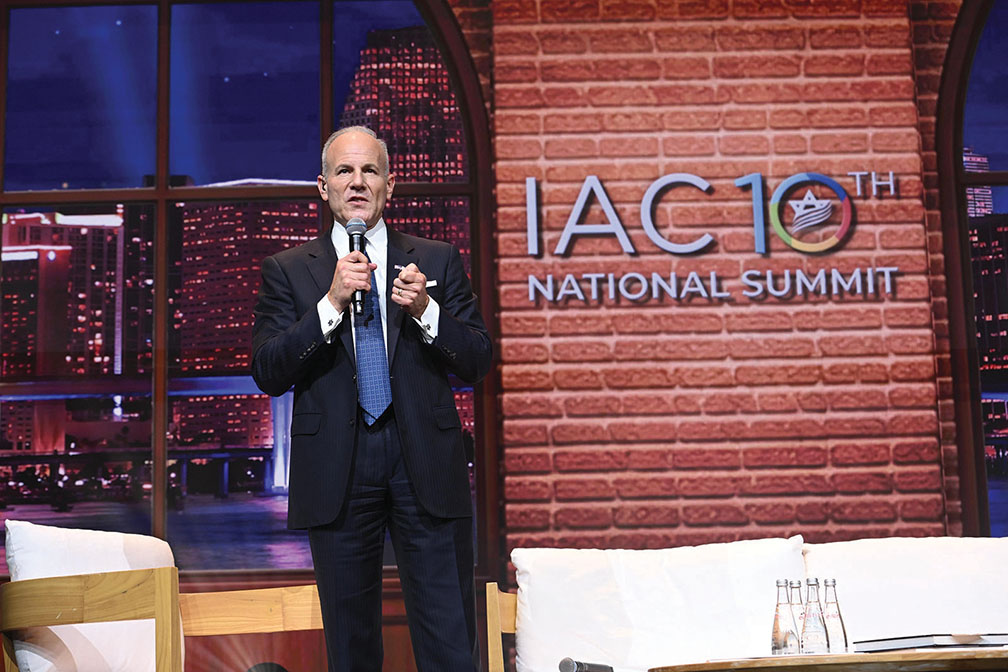
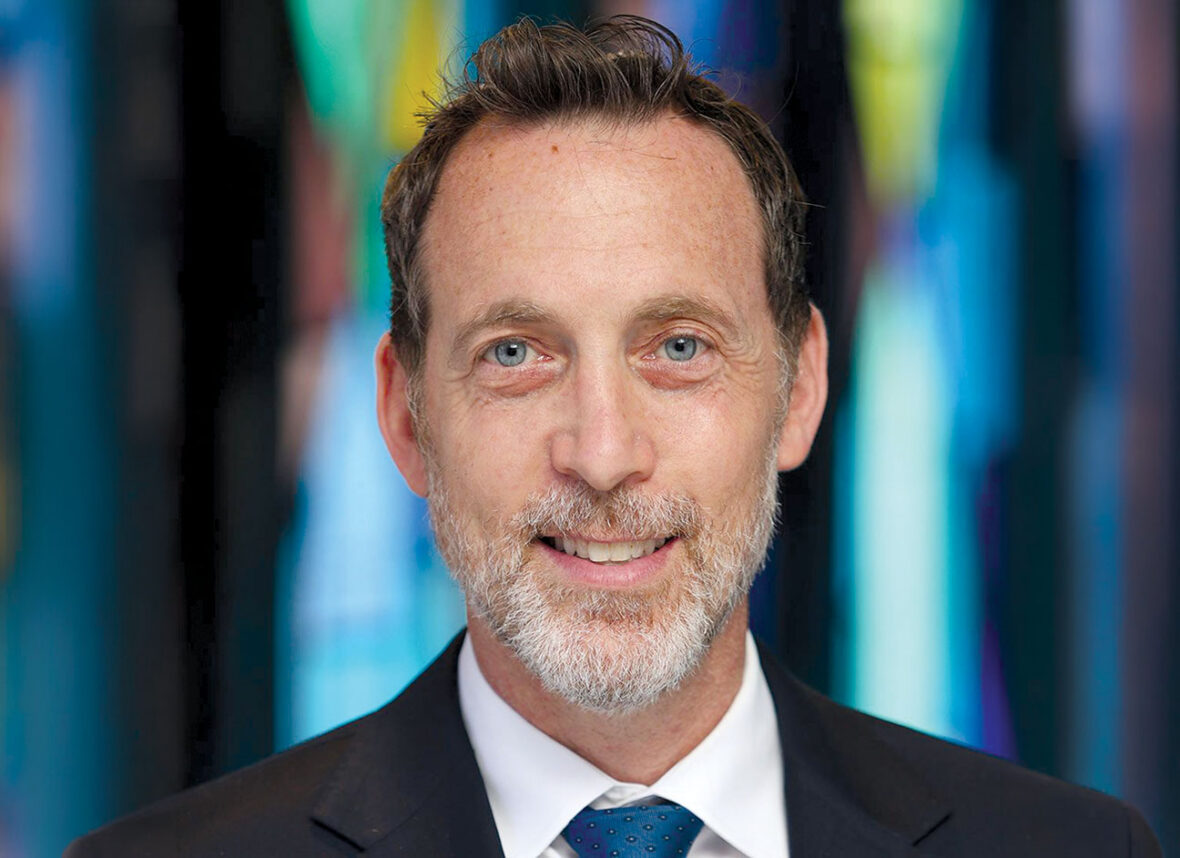
The IAC’s CEO for the past two years has been Elan Carr, a lawyer and diplomat who served as the United States Special Envoy for Monitoring and Combating Antisemitism under President Trump from 2019-21. In an interview with The Journal, he emphasized the importance of pride, engagement and education in facing the challenges the community now confronts. “Our kids don’t know enough about who we are, our history or our connection to Israel. That’s why the IAC runs programs for children, teens and families. You can’t defend yourself if you don’t know who you are, and you can’t defend Israel if you don’t understand Israel,” he said.
Over the past two years, since Oct. 7, 2023, the IAC has found itself battling antisemitism more than ever. The organization has received hundreds of complaints from students about antisemitic incidents in schools and has trained teachers in public schools to better understand antisemitism.
“I’ve seen it for decades. I’ve been involved in campus life for many years, and I can tell you it’s been getting worse and worse,” said Carr, who during his college years served as the international president of the Jewish fraternity Alpha Epsilon Pi. “Fighting antisemitism in schools isn’t only the key to protecting our community and our future — it is critical for protecting the American future, because if we lose the schools, we’ll lose the future. And it won’t just be Mamdani who gets elected; it will be even higher offices. So we’ve got to win this fight.”
The summit also featured 229 notable speakers, including U.S. Attorney General Pam Bondi, who delivered a forceful message about the administration’s stance against antisemitism. Emphasizing zero tolerance for harassment and intimidation, Bondi said, “The days when it was acceptable to bully Jewish students on campuses simply because they are Jewish are over. That will not happen under President Trump’s leadership. We will no longer allow antisemitism in America to go unpunished.”
Other speakers who participated on panels or on stage during the opening and closing nights were high-profile figures like Steve Witkoff, who played a significant role in negotiating the release of the hostages; Safra Catz, executive vice chair of Oracle and member of its Board of Directors; Dovi Frances, an Israeli-American venture capitalist and former “shark” on “Shark Tank Israel” who has become a leading voice in technology and entrepreneurship; Caitlyn Jenner; and Eli Beer, founder and president of United Hatzalah, known for emergency medical response efforts.
For some, the abundance of speakers felt overwhelming. One attendee said he experienced “FOMO” (fear of missing out) for the first time. “I kept thinking that maybe I was missing a better lecture or a more interesting panel. By the end of each day, I felt exhausted.”
Eti El-Kiss Mizrahi, who attended the three-day summit with a friend, said she struggled to see the real purpose of the conference. “There were simply too many speakers, which diluted the impact and made it difficult for any message to truly land,” she said. “Overall, it felt more like a social scene than a serious effort to combat antisemitism or build future leadership.”
Mizrahi added that overall, the conference was enjoyable and that she was happy to reconnect with people in the community. While she found some of the speakers fascinating, she felt the IAC would have benefited from selecting fewer and stronger voices that resonated more with teens and people in their 20s.
More than anything, the gathering served as a reminder that they are not alone in their efforts, strengthening resolve and offering encouragement to those who are on the front lines — students, educators, activists and community leaders — to continue the work they are already doing.
At the same time, other attendees described the summit as a meaningful and energizing experience, particularly considering the challenges facing the Jewish community. More than anything, the gathering served as a reminder that they are not alone in their efforts, strengthening resolve and offering encouragement to those who are on the front lines — students, educators, activists and community leaders — to continue the work they are already doing.
Perhaps those who knew best how to navigate between the many events and workshops were the teens, who made sure to also enjoy the pool, the beach and other amenities the seaside resort had to offer. It is hard to say whether they fully understood that this large-scale gathering was designed primarily for them, as the future leaders of the community. They are the ones whose Israeli parents and grandparents hope will maintain a strong Jewish identity, remain connected to Israel and advocate for it, continue to celebrate Yom Ha’atzmaut and stand up against antisemitism.

Feeling loyalty and connection to Israel often comes naturally to those who were born and raised in the country, but it is different for those born in the United States, who do not always share the same lived experiences or ties as their parents. There are, of course, exceptions. Carr, for example, was born in the U.S. to Israeli parents, speaks fluent Hebrew and feels deeply Israeli. He raises his children with the same values and love for Israel that he received from his parents. However, this is not always the case for the children of Israeli immigrants.
That, Carr says, is why the IAC plays such an important role: preserving the connection to Israel and educating the next generation through programs for children and parents, as well as dedicated initiatives for teens.
Organizers made sure to include not only long speeches on stage – and there were plenty of those – but also a good amount of entertainment, including performances by singers, Idan Raichel and Ivri Lider, standup comedian Yohay Sponder and an emotional performance by Sagui Dekel Chen, who was kidnapped from his home in Kibbutz Nir Oz and held for 498 days by Hamas. He has since become a speaker on resilience and advocacy.
There were many uplifting stories during the event, like that of Yael and Adi Alexander whose son Edan, who served as a lone soldier, returned home after 548 days in captivity. “Last year we were in a different place while we were here,” said Yael.
Yael, who lives with her family in New Jersey, recalled that it was a Sunday morning on Mother’s Day when her husband noticed 10 missed calls from Witkoff, whom they were in touch with on a daily basis. They immediately knew something had happened.
They called him back, and he said, “Open the TV. Hamas is going to announce they are releasing your son. Get your plane tickets now.”
Witkoff himself provided some emotional moments. “The issue of the hostages was very personal for President Trump,” he said. “When the 20 living hostages came to the White House, the president came up to me and I saw tears in his eyes, and he doesn’t like people seeing his tears. He told me: ‘This was the greatest day I ever had at the White House.”
Witkoff spoke about how fortunate he feels to do the work he does and to have taken part in negotiations aimed at securing the release of the hostages.
Witkoff lost his 22-year-old son, Andrew, to an opioid overdose in 2011. Helping others rescue their children from Hamas’ hands, he said, was a blessing. “It meant so much to me. I feel like my boy puts his hands on my shoulders and leads me. God took him back at 22 but made me meet these families, and it’s the greatest blessing of my life.”
One of the most remarkable stories shared at the event was that of Bar Assraf and Karni Guez, two young Israeli soldiers who, with their all-female tank unit, made history on Oct. 7 as the first women in Israel — and likely in the world — to fight in a tank. In a heroic engagement, they killed dozens of terrorists and saved an entire kibbutz. Now, their incredible story is coming to the big screen in the film “Tankistas,” starring Assraf, who portrays a character inspired by her own experience.
“We want to show that women can and should be in combat units,” said Asraf. “We proved ourselves.” She added that participating in the movie was a therapeutic experience for her. The film was produced by Israeli producer Ehud Bleiberg, who lives in Los Angeles.
From heroic feats to star-studded moments, the summit had it all — history, celebrity and everything in between.
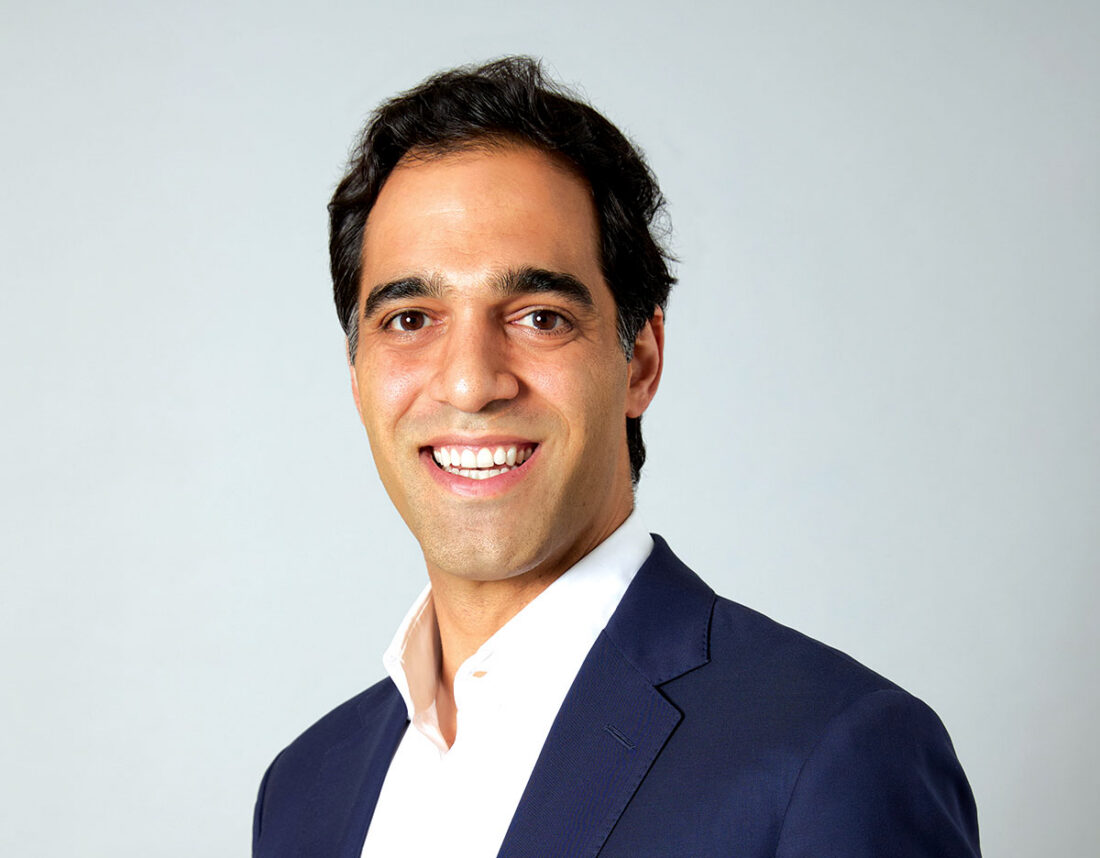
Everywhere you turned, people stopped to shake hands, introduce themselves or ask for a selfie. Some weren’t aware of their celebrity status until the summit, like Dr. Avi Almozlino, co-chair of the IAC alongside Tal Shuster. While doing an interview in the lobby, he was interrupted twice by guests asking for photos. Almozlino, who is also the chief neurologist at a Boston-area hospital, obliged happily. His patients never ask him for selfies.
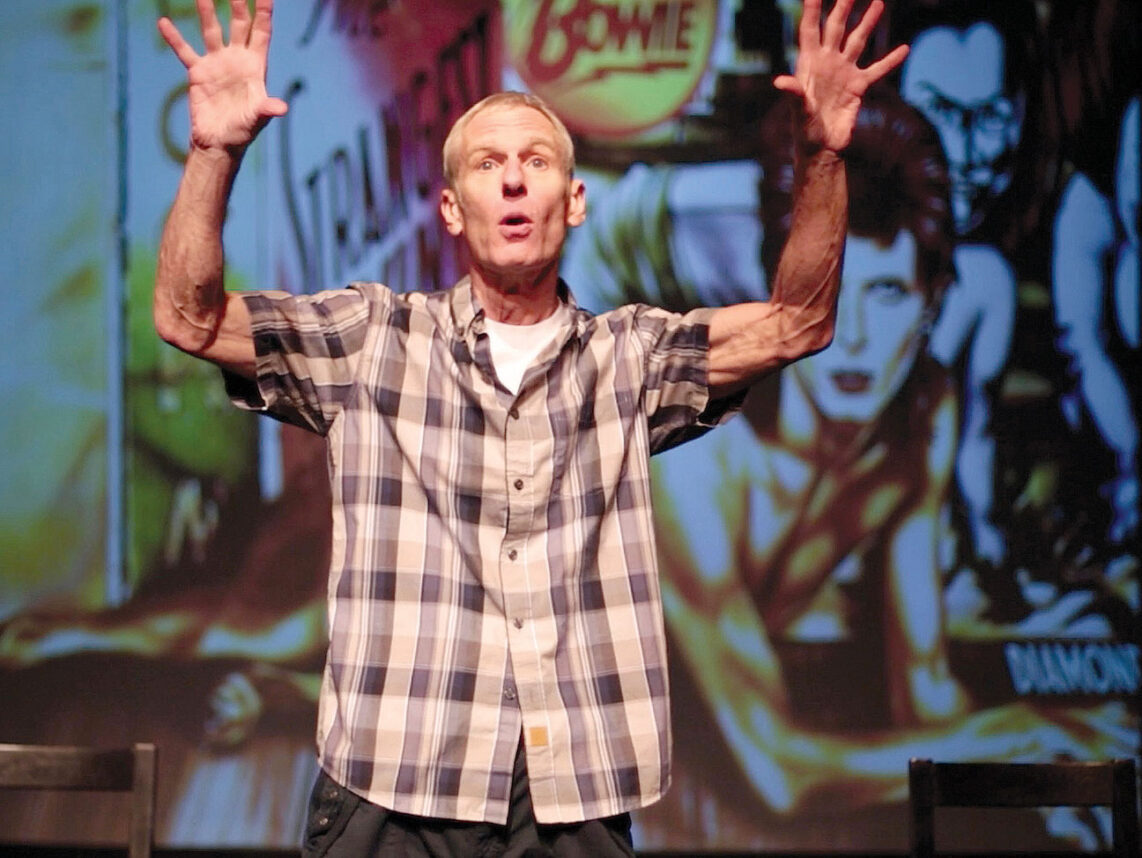
Then there was Ivri Lider, one of Israel’s most prominent singers, who had to pause repeatedly for photos even before entering the hotel. Daniel-Ryan Spaulding, the popular comedian and social media influencer, faced perhaps the greatest challenge of all: trying to finish his sandwich in the lobby while fans gushed over him. With a mouth full of food, he managed a polite smile and nod, a near-impossible balancing act of eating gracefully and maintaining charisma.
Celebrity sightings weren’t limited to the lobby. On the way down from the 27th floor, two women were flirting with a tall, striking man in the elevator.
“You look like George Clooney,” one said.
“Thank you,” he replied with a smile. “That’s a nice compliment.”
“No,” her friend interjected. “You’re way better looking. We don’t like Clooney because of his criticism of Israel.”
“I like you already,” he said, grinning.
When they reached the lobby, he said goodbye and stepped out.
“Do you know who that was?” they asked me.
“Oh yeah,” I said. “That’s General Michael ‘Erik’ Kurilla — a four-star general in the U.S. Army.”

Photo credit: Noam Galai
At the summit’s closing night, two Israeli-American billionaires — on opposite sides of the American political spectrum — sat down for an interview moderated by Evenhaim, IAC Board Member and Chairman Emeritus. Haim Saban, a well-known supporter of the Democratic Party and, during the 2024 election, Kamala Harris, and Dr. Miriam Adelson, a major backer of President Trump, discussed Israel’s standing with the U.S. government, the regional landscape and the influence of the Jewish community.
Saban warned about the U.S.’s lack of understanding regarding security assistance to Israel, emphasizing that it serves American interests as well. “We’re talking about $3.8 billion a year … agreed for 10 years on the condition that Israel spend all of it in the U.S.,” he said. “It subsidizes the entire defense industry, creates jobs, and even among lawmakers, awareness of this is low. It’s our role to keep reminding them how important this alliance is.”
After the discussion, the two were presented with awards for their long-standing contributions to the community. Saban quipped that it should go to someone else: “I heard the Nobel Prize is passed from one to another.”
“Maybe Obama can give it to Trump,” suggested Adelson.
“I think it’s a great idea,” Saban replied — leaving the room to laugh and wonder, has he crossed over?