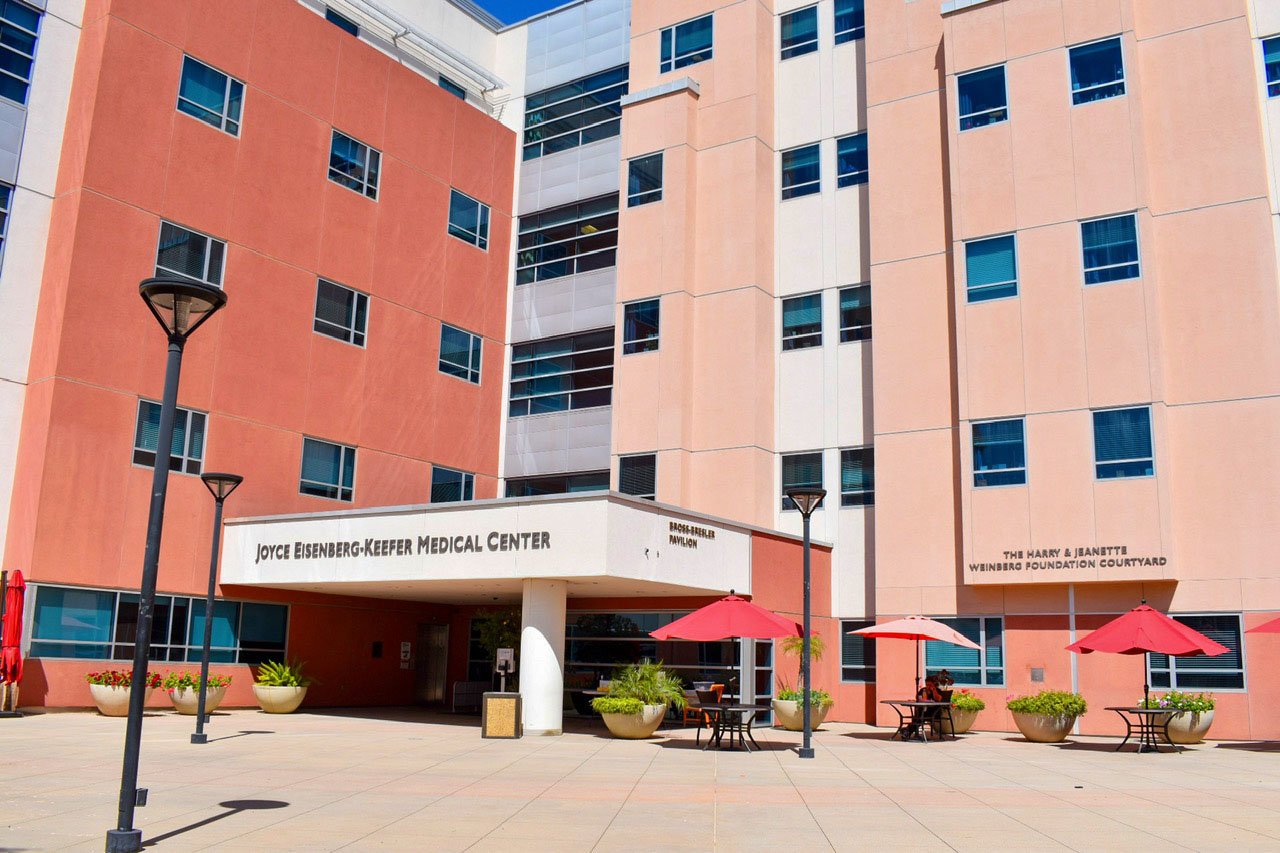
Governor Gavin Newsom announced that Los Angeles Jewish Health (LAJHealth) has been awarded $28 million from the California Department of Health Care Services. This funding is the first round of funding for Proposition 1’s Bond Behavioral Health Continuum Infrastructure Program (BHCCIP) Round 1: Launch Ready initiative, a component of a historic $3.3 billion investment in behavioral health infrastructure across the state.
The $28 million grant will support the expansion of inpatient behavioral health services for seniors, addressing California’s growing senior behavioral health crisis.
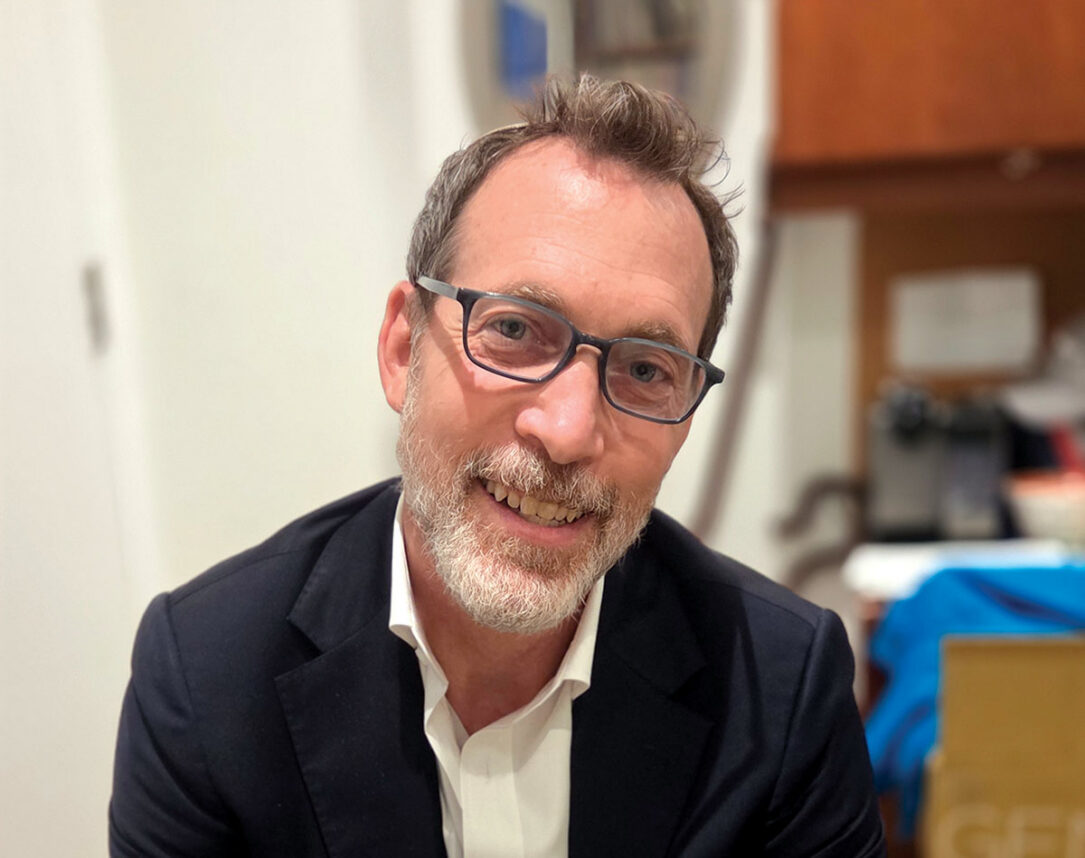
The state’s senior population is projected to almost double by 2040, said LAJHealth’s Dale Surowitz, and this grant will help provide better and expanded services to older adults.
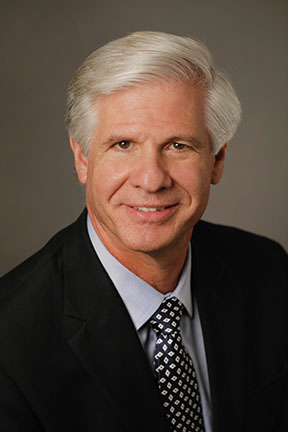
“We’re seeing a huge increase in the number of seniors as life expectancy rises. In LA alone, between 2020 and 2040, there will be a 93% increase in the number of seniors 65 years of age and older. People are living longer, and as a result, they are facing more challenges — whether related to Alzheimer’s, dementia, depression, or other mental health concerns.”
Given that many seniors facing cognitive and mental health challenges such as dementia or Alzheimer’s are unable to advocate for themselves, it’s easy to understand why this group is so often overlooked.
“We are very thankful to Governor Gavin Newsom and the state for awarding this grant,” said Surowitz. “Many of these seniors don’t have families, or their children are unable to spend time at home with them when these issues develop. It also puts tremendous strain on their caregivers. Those are often their elderly spouses, which creates a significant burden. This grant gives us the opportunity to help those seniors and give caregivers some breathing room to care for themselves as well.”
“We currently care for 1,000 residents and another 4,000 seniors in the broader community, so we’re seeing this need firsthand,” Surowitz said. “That’s why this new unit will allow us to better serve the growing number of seniors who require these services. Studies show there is a significant shortage of acute psychiatric beds for older adults.”
Surowitz said the number of seniors experiencing behavioral health issues — particularly those who are low-income, medically complex or socially isolated — is rising sharply.
There is a troubling correlation between old age, low income, loneliness and depression. Often, seniors go undiagnosed and untreated. It becomes a vicious cycle: elderly individuals may be taking medications for other health conditions, some of which can trigger depression or mood changes. Without proper diagnosis, symptoms worsen. And as life expectancy increases, the number of dementia and Alzheimer’s cases rises, making early mental health intervention even more critical.
Thanks to the grant, LAJHealth will not only be able to add more beds but also develop new programs.
The current plan is to add 30 to 33 additional behavioral health beds at their Reseda facility. These will serve geriatric psychiatric and mental health patients and will also help ease the burden on local hospitals. Their hope is not only to offer these inpatient services but also to expand their programs to address both the physical and mental health needs of the broader Jewish community.
“It will take us anywhere from two to three years to complete the process,” said Surowitz. “Once completed, it will help local hospitals, where many seniors are stuck in emergency rooms waiting for beds. The impact is going to be significant.”