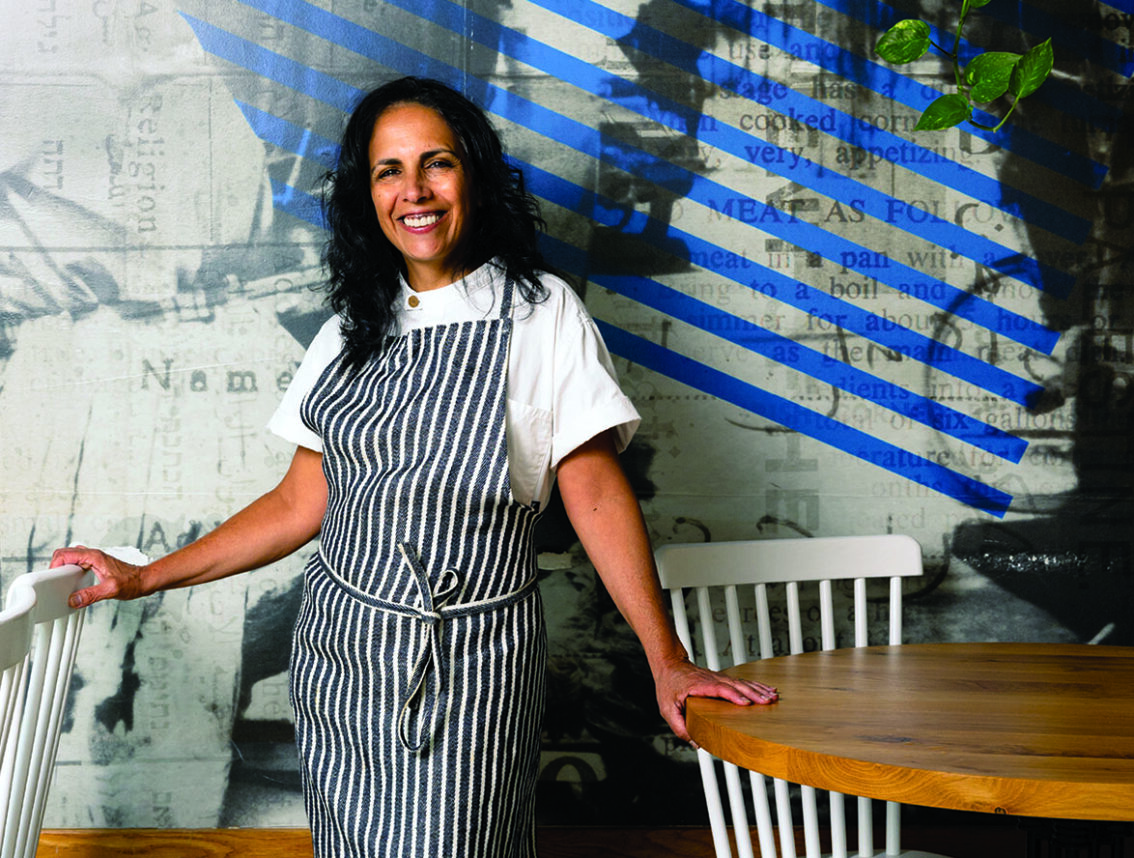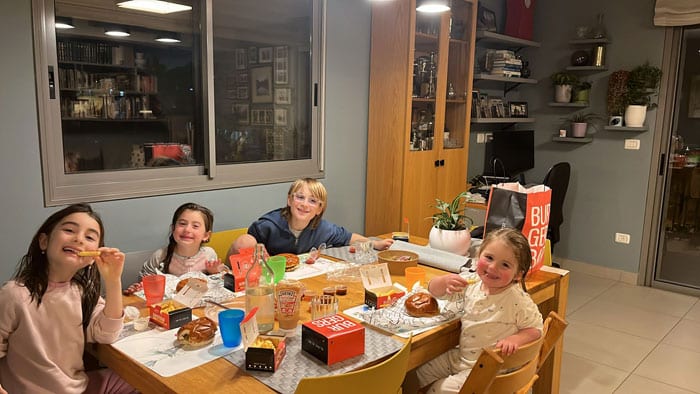
In the wake of the war in Israel, numerous men left their homes to join the IDF in the fight against Hamas, leaving their families behind. Recognizing the challenges faced by spouses managing both work and childcare alone, Rabbanit Naomi Ansbacher started MEALuim, an online platform connecting Israeli communities of IDF reservists with individuals or communities abroad.
Ansbacher, a mother of six and a communal leader in Jerusalem, established the website where people worldwide can choose a family size and duration to supply warm kosher meals to families in Israel. This provides a much-needed break from cooking for the parents left at home.
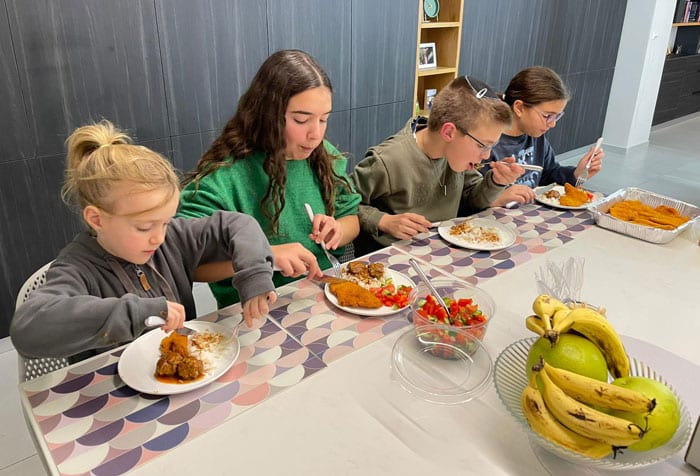
“Those who live in England, USA or Australia for example, want to help, but they can’t cook a pot of soup and bring it to their neighbor whose husband is away in the battlefield. But they can still help in another way,” Ansbacher said. “This week, we provided meals to 1,400 people which are approximately 500 families, and next week we have 800 families and a long waiting list. We try to accept the ones who didn’t get help yet and those who didn’t get a release date from the IDF. We try to target communities who get the least amount of help. In Lod, for example, there is the highest percentage of army reserves.”
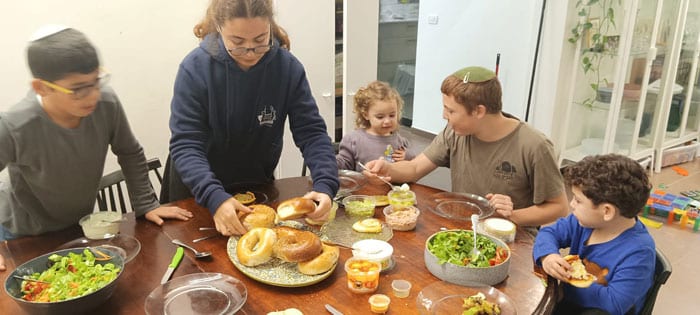
The name of the nonprofit organization is a play on words: “Miluim” in Hebrew means, “reserves.” As the war continues, Ansbacher told the Journal, the families’ struggles become harder and harder.
“At the beginning of the war, there was a lot more support, and as time goes by, people become used to the situation and offer less help,” she said. “I remember that at first, when we asked families, ‘What do you need? How can we help you?’ they said, ‘We are fine.’ Now, we see more families who are asking for help, and those meals we provide really help lift up their spirits and give them energy that they are not alone.”
Ansbacher’s nephew, Amichai Israel Weitzen, 33, died during the first week of the war, leaving behind a wife and five children. He courageously joined the alert squad of Kibbutz Kerem Shalom to protect the community, engaging in combat against numerous terrorists who crossed the fence. After six hours of intense fighting with Hamas, Weitzen and his friend Yedidia Raziel, who fought alongside him, lost their lives.
“They managed to fight until the IDF arrived,” his aunt said. “They were true heroes.”
No matter how much she cooked, it wasn’t enough to meet the growing challenges faced by those around her.
After the shiva, Ansbacher returned home to find that numerous members of her community had been enlisted in the IDF. In response, she took on the responsibility of cooking for neighbors and friends who were now left to care for their children on their own. As the number of men called up from the reserve increased, the demand became overwhelming. Despite her continuous efforts in the kitchen, the scale of the need seemed insurmountable for Ansbacher. No matter how much she cooked, it wasn’t enough to meet the growing challenges faced by those around her.
“One day I said it doesn’t make sense, there are many people abroad who would love to help,” she said. “And that’s how the idea was born.”
In the first two weeks after she launched MEALuim, Ansbacher didn’t sleep much. There was a lot of work to do like establishing the website, connecting families in Israel to those abroad and arranging the food orders and deliveries.
“It was very challenging,” she said.
“My professional oversight of 1200 volunteers at Tzohar also showed me how many families were lacking support and Tzohar understood that we needed to step up and use our communal connections and expertise to service this community of miluim families.”
The families, who are grateful and appreciative, are being identified through the army – which supplies the names and addresses – but also through direct requests. MEALuim gives the recipient families the chance to send a video message as well.
Knowing their families are being taken care of puts the soldiers’ minds at ease during a stressful time. And now, with the war expected to last for months to come, it’s important to continue supporting the families and show them that the Jewish community in Israel and abroad support and love them.
If you also want to participate in the program, visit: https://tzohar-eng.org/mealuim/