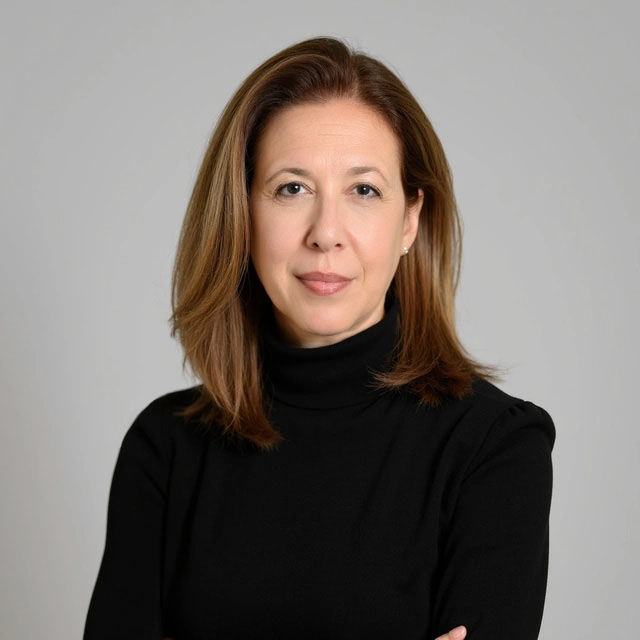
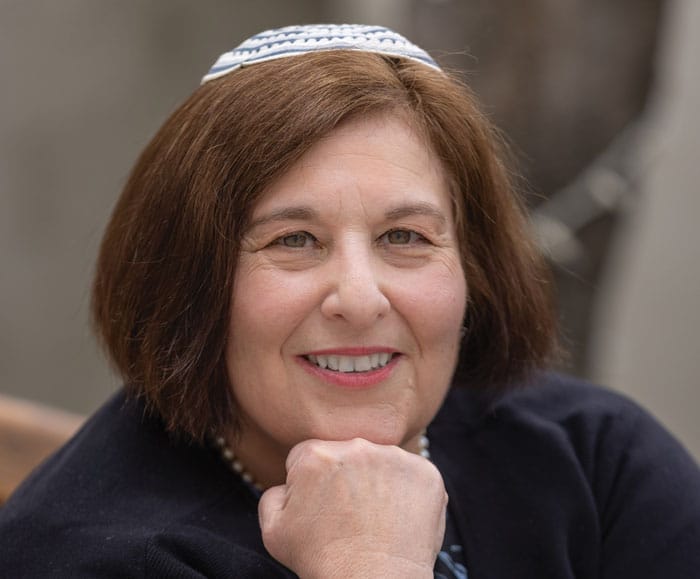
At the height of the AIDS crisis, Rabbi Denise Eger was serving as rabbi at the world’s first LGBTQ synagogue, Beth Chayim Chadashim in Los Angeles. There, she started an HIV support group for BCC members – something that was not common in the Jewish community at that time, and certainly not in synagogues.
“The LGBT community was not integrated into the larger Jewish community then, and, for the most part, congregations were not prepared to welcome LGBT people,” she said.
When her tenure with BCC ended, Eger decided to venture out on her own, and established Congregation Kol Ami in West Hollywood in 1992. It’s a Reform synagogue that caters to all different kinds of demographics, but is predominately LGBTQ.
“Part of the beginning of the congregation was to give [the LGBTQ community] a safe place for them and their allies,” she said. “Today, we have 250 households with all stripes of people – gay, straight, singles, couples, transgender, non-binary, with and without kids and grandkids and everything in between.”
Eger has always been involved in her Jewish community. Growing up in Memphis, she was in Young Judea, BBYO and NFTY, and she spent every summer at the URJ Henry S. Jacobs Camp in Mississippi.
“Being Jewish in the south wasn’t so easy. There were clubs I couldn’t belong to in high school and social groups that excluded Jews. We were a very small minority. That’s why NFTY, BBYO and Jewish summer camp were really important.” – Denise Eger
“Being Jewish in the south wasn’t so easy,” she said. “There were clubs I couldn’t belong to in high school and social groups that excluded Jews. We were a very small minority. That’s why NFTY, BBYO and Jewish summer camp were really important.”
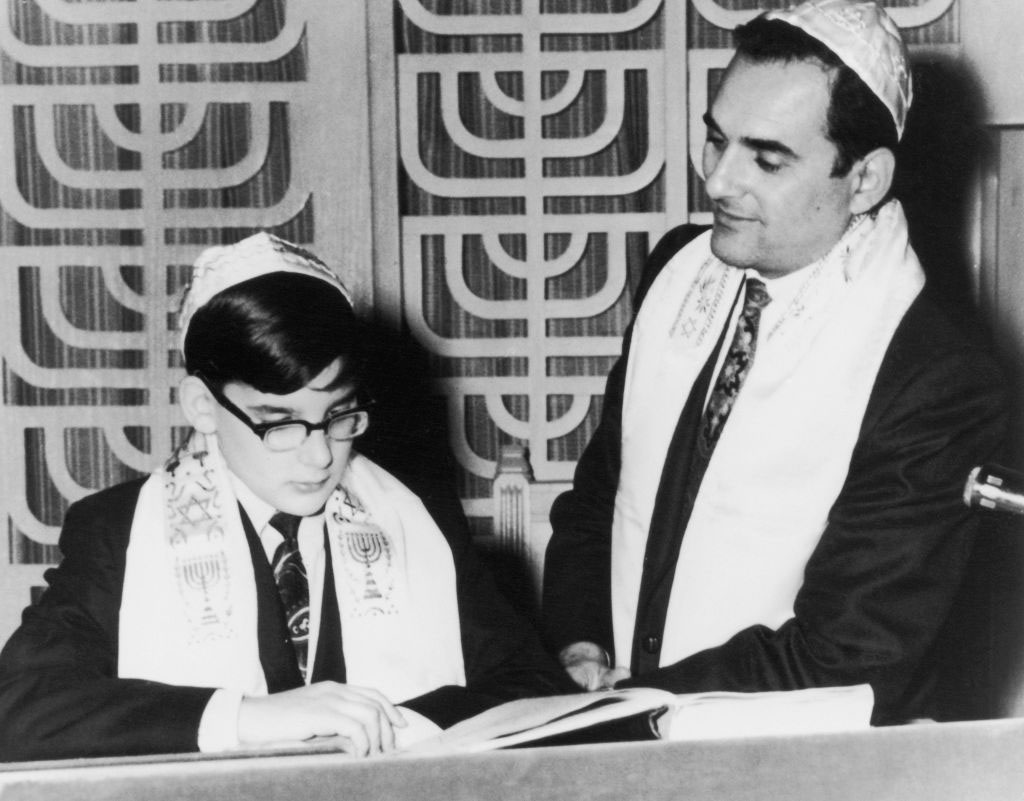
Eger had her bat mitzvah in 1973, which was seven months after the first American woman rabbi, Sally Priesand, was ordained. “It was new and still unique,” said Eger. “I met many of the early women rabbis who had come to my camp. They had an influence on me and I thought maybe it was something I could do.”
Eger ended up pursuing that path and received ordination at Hebrew Union College in New York City in 1988. There, she became one of the first lesbian rabbis. She immediately got to work at BCC and, since then, has been an advocate in the LGBTQ world.
In June of 2008, she officiated at the first legal wedding for a lesbian couple in California, who were Jewish. She facilitates a monthly HIV+ support group for Kol Ami, served as a past chair of the Spiritual Advisory Committee of AIDS Project Los Angeles and co-authored the official Reform movement’s gay and lesbian wedding liturgy.
“When we wrote the liturgy, we had to decide if it was going to look the same as a straight wedding or if there was going to be something different,” she said. “We were rewriting the sheva brachot for gay, lesbian and non-binary couples. We had to think through it and provide options for people.”
Over the years, she said that the Jewish community has evolved when it comes to LGBTQ issues.
“Today, there are many organizations that serve the LGBT community, and synagogues that welcome LGBT Jews across the spectrum,” said Eger, who was the first openly LGBTQ person to be president of the Central Conference of American Rabbis. “It used to only be Reform and Conservative, but now some Orthodox ones in town are also welcoming. That’s a radical change.”
At the heart of Eger’s work is her desire to do good in the world. Stenciled on the wall in her office is a quote from Micah 6:8: “And what does the Lord require of you? To act justly and to love mercy and to walk humbly with your God.”
To Eger, that means educating people about the mitzvot and showing them how to live their lives with justice, compassion and ethics.
“I hope that through the teachings of our tradition, people will really engage in bringing justice wherever they can, whether it’s giving tzedaka or performing mitzvot that will transform the world into a kinder, more equitable place,” she said. “The Torah shows us how to make interactions between human beings kinder. If we would live by them and do them and follow our mitzvot, our society would be better.”
Fast Takes With Denise Eger
Jewish Journal: What is your favorite Jewish food?
Denise Eger: Cinnamon babka. I definitely don’t make it myself. The best is at Angel Bakery in Jerusalem.
JJ: How about your favorite place to hang out in Los Angeles?
DE: My house. I like my backyard.
JJ: What’s the best Jewish holiday?
DE: I like Passover the best. I really love my family. When we’re all around the seder table, it brings back nostalgic memories of my parents, of blessed memory. We’re also creating our own family memories together.
JJ: What’s your perfect Shabbat look like?
DE: Being with my family. My son lives far away in Dallas, and my wife is a rabbi in Austin, so when we have the chance to be together, that’s the perfect Shabbat for me.