The founding of J Street in 2008 sparked much debate in the pro-Israel community. Many were concerned that the group would be overly critical of the Jewish state and thus erode the pro-Israel consensus in the United States.
I and others disagreed and welcomed J Street’s stated desire to “broaden the public and policy debate in the U.S. about the Middle East.” It disturbed me that there were those who would seek to preclude any reasonable voice from competing in the marketplace of ideas.
Sadly, J Street has disappointed many of us who originally welcomed the group. Rather than seek to broaden the debate, J Street has worked to silence opposing voices. Rather than contribute new ideas to our dialogue, it too often has peddled misinformation and slurs. And rather than buttress Israel’s democracy, J Street has exhibited contempt for it.
When J Street was created, I had looked forward to working with adults dedicated to higher principle. Instead, we have suffered the attacks of partisans devoted to winning the news cycle.
As the executive director of Christians United for Israel, I have had firsthand experience with J Street’s unfortunate tactics. J Street does not like CUFI and from the very beginning has sought to banish us from the pro-Israel camp. Toward this end, J Streeet has made a series of false claims about CUFI policy and Christian theology. J Street has gone so far as to pressure public figures not to speak to our members. A particular low point was J Street’s extensive (and unsuccessful) petition campaign aimed at forcing U.S. Sen. Joseph Lieberman (I-Conn.) to cancel his appearance at our 2008 summit in Washington.
So much for broadening the debate.
Just last week, J Street again attacked CUFI. This time, J Street claimed that we had contributed money to an Israel-based Zionist organization named Im Tirtzu that published an offensive advertisement demonizing the head of the New Israel Fund. Yet CUFI has never supported Im Tirtzu. The actual donor was John Hagee Ministries, an independent entity with a different focus—and the ad in question was published without the consent or knowledge of John Hagee Ministries.
Not content to merely mistake our actions, J Street proceeded to slur our chairman, John Hagee. In the only other piece of information that J Street provided about us, the organization claimed that Pastor Hagee “once said that Hitler was sent by God to force Jews to move to Israel.”
The lines J Street paraphrases come from a long sermon in which Pastor Hagee was wrestling with the perennial theological question of how a God who loves the Jewish people could have allowed the Holocaust. Like many rabbis before him, Pastor Hagee suggested a connection between this low point in Jewish history and the high point that would follow a mere three years later with the birth of the State of Israel.
It is certainly fair to object to this interpretation. But it is quite another thing to cite this one line in isolation to create an image of Pastor Hagee that is completely at odds with his life’s work.
J Street intentionally obscures the fact that John Hagee has devoted his entire career to combating anti-Semitism. J Street ignores the fact that American Jewish leaders from Elie Wiesel to Abraham Foxman, and Israeli leaders from Prime Minister Netanyahu to Ambassador Michael Oren, have all recognized Pastor Hagee as a leading Christian ally in the fight against anti-Semitism. And J Street neglects to mention Pastor Hagee’s expression of regret for any pain his sermon may have caused and his pledge to be more sensitive in his future theological speculation.
Yet no one should be surprised that J Street has resorted to such distortions to shut opposing voices out of the debate. The group’s disdain for opposing views extends all the way to Israel itself.
Most pro-Israel organizations, including Christians United for Israel, support the positions of the democratically elected government of Israel. We do not live within Hamas or Hezbollah missile range. We do not send our children off to the Israeli army. Whatever our personal views, we in CUFI believe that the difficult decisions about Israeli policy must be made by those who will most directly bear the consequences of the decisions: the Israeli people.
J Street’s leaders, by contrast, are confident that they know better than Israel’s voters. Like many in the pro-Israel community, J Street supports a two-state solution to the Israeli-Palestinian conflict and American pressure on the Palestinians to return to the negotiating table and cease anti-Israel incitement. Unlike many of us, however, J Street also favors U.S. pressure on Jerusalem, continuing to see Israel as a barrier to peace despite the Palestinians’ repeated rejections of Israeli offers of statehood. Rather than persuade the Israeli people through reasoned debate, J Street has sought to override their will through American fiat.
The stakes are high and the time is short. Iran has announced that it will begin enriching uranium to even higher levels. Hezbollah and Hamas continue to stockpile missiles. We in the pro-Israel camp need to come together to combat these existential threats to the Jewish state we all love.
The time has come for J Street to be true to its founding principles and devote itself to a serious debate on the merits. If it continues its present course, J Street’s only contribution to the Middle East debate will be to import into it the ugliest aspects of America’s broken politics.
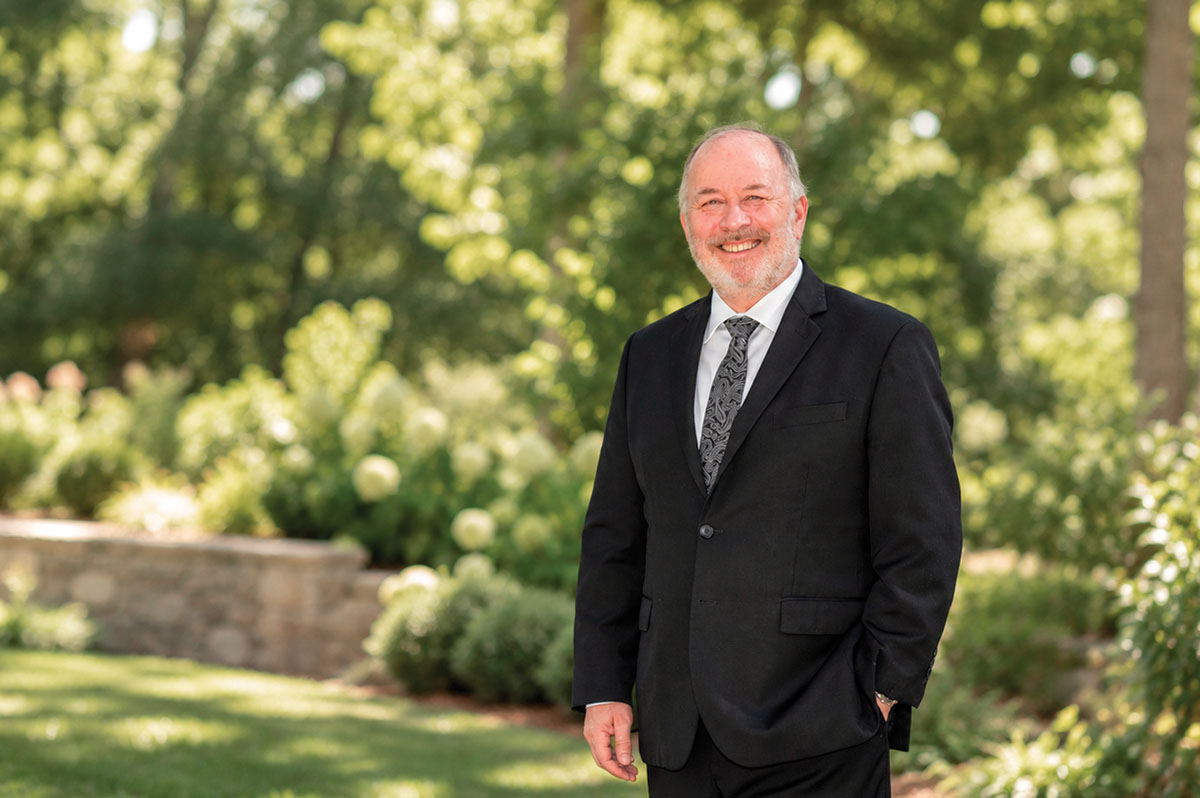
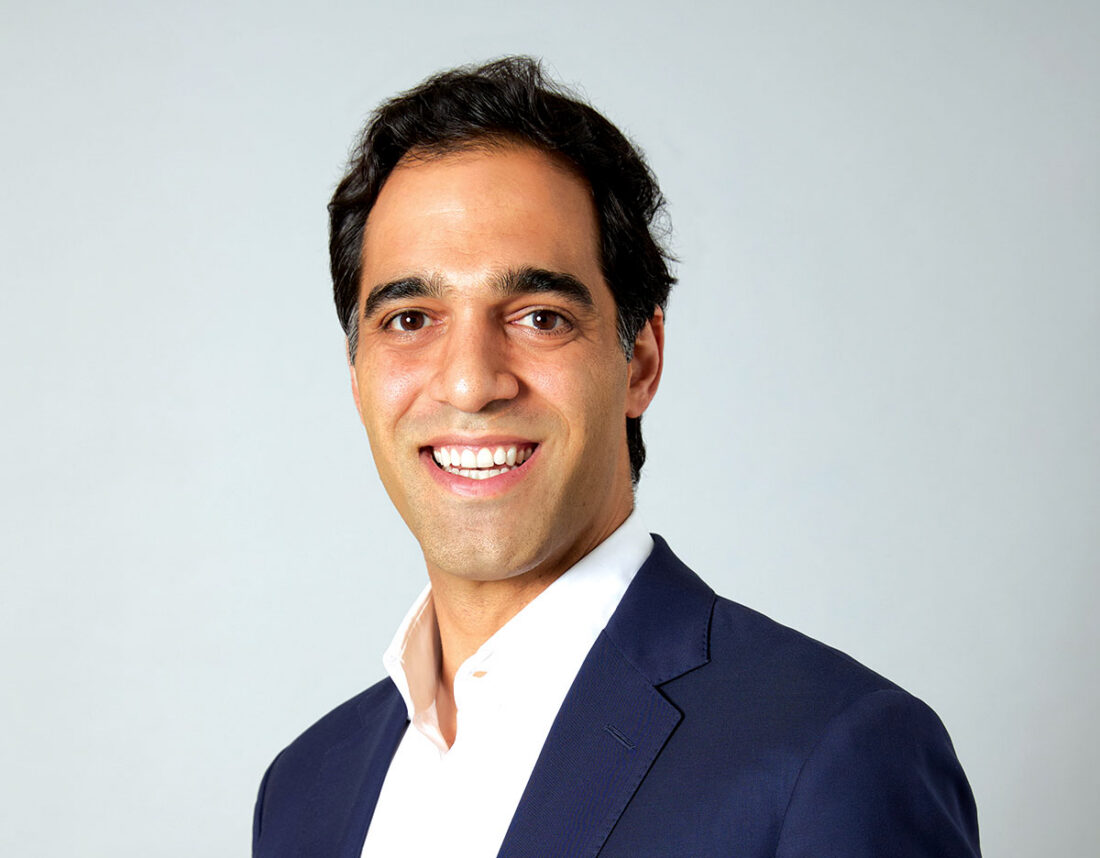
David Brog is the executive director of Christians United for Israel. Before joining CUFI, Brog served as chief of staff for U.S. Sen. Arlen Specter.