“Listen, we’re broke. Let’s face it,” said Rep. John A. Boehner (R-Ohio) last week, according to the Washington Post. Boehner, the chair of the House Education and the Workforce Committee, spoke as congressional Republicans haggled over big spending cuts for critical health and social service programs.
But the conservative lawmaker spoke only half of the story; the nation is broke, at least in part, because of huge tax cuts demanded by the Republican Congress and administration. And even as they say we can no longer afford programs that benefit the poor and middle class, they are talking about more tax cuts that mostly benefit the wealthy.
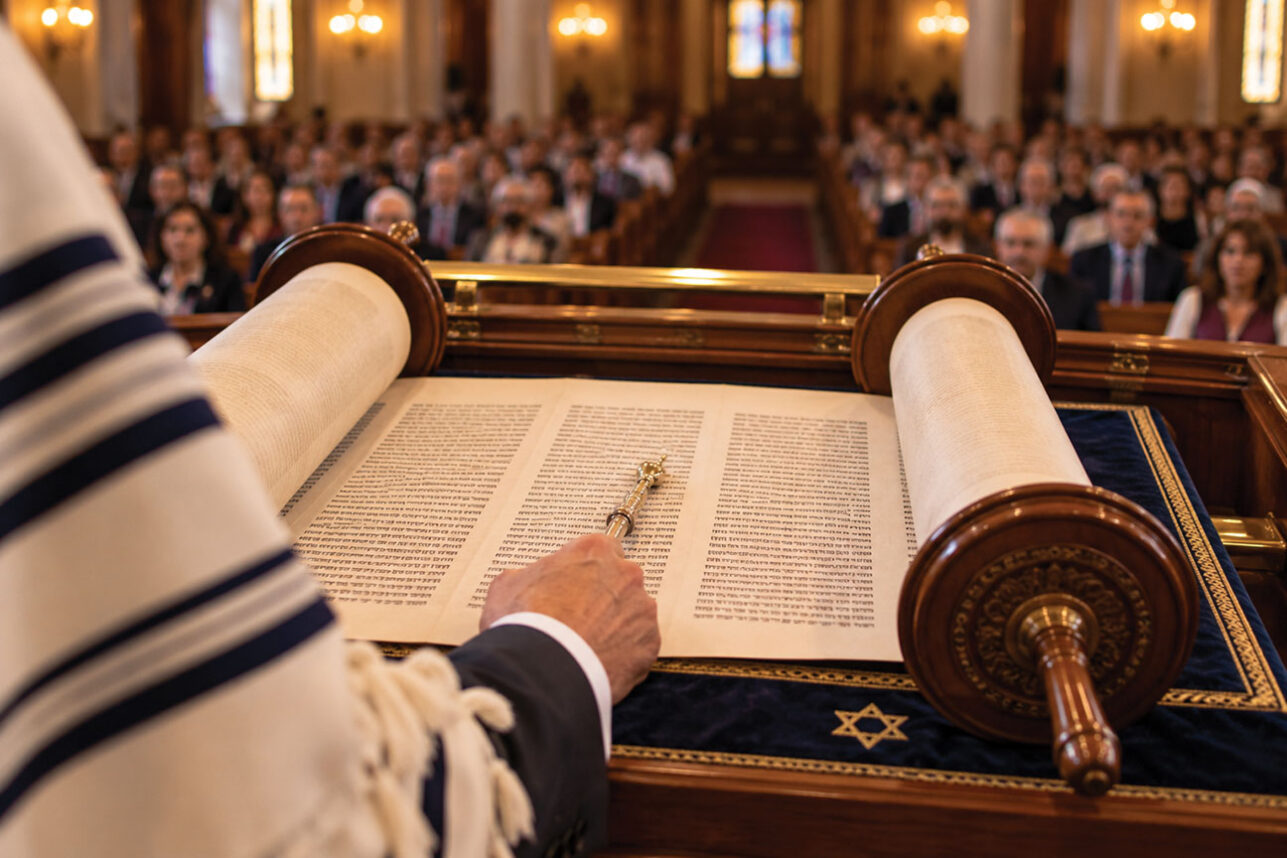
Before you criticize Boehner’s blindness to some basic economic realities, take a hard look at the Jewish communal world, where organizations still claim the mantle of social justice activism but refuse to take a stand on the issue that is reshaping America.
That reality will be in full view in the coming months as many Jewish groups lobby against big cuts in critical programs but duck for cover when lawmakers talk about the causes of the budget crisis, starting with tax cuts.
It’s not that Jews don’t care about those less fortunate — including many in our own community. But their organizations are too frightened of their own big donors, too timid about picking a fight with a vengeful administration to wade into the tax fray.
This month House Republicans will try to wrap up work on proposals aimed at slowing the hemorrhage of red ink from federal budget ledgers while finding a way to pay for hundreds of billions of dollars of hurricane relief and for two wars that don’t seem about to end anytime soon.
Proposals include slashing key entitlement programs by $50 billion and reducing overall spending by 2 percent — and cutting taxes another $70 billion.
You don’t need to be a CPA to understand the math flaw here; the results, according to most estimates, will be drastic cuts in critical programs like Medicaid and Medicare and a bigger debt load to pass along to our children.
In the past, emergencies requiring big increases in government spending produced a shared willingness to shoulder the burden. Now, it’s those least able to take care of themselves during trying times who are being forced to sacrifice the most, while the rich just get richer and anti-government ideologues use the explosive combination of tax cuts and high deficits to start dismantling the entire structure of government services.
Jewish groups will fight like crazy to avert cuts to important programs like Medicaid, Food Stamps and subsidized housing for the elderly, all of which benefit many Jews. They will talk piously about their commitment to social justice for all.
But only the Reform Movement has stated the obvious: that big tax cuts under current circumstances can only eviscerate the nation’s ability to respond to new emergencies and undermine what’s left of the nation’s social safety net.
Jewish groups have lost their voices for two very obvious reasons: the fact that many of their top, big-money donors are benefiting handsomely from the tax-cut fever in Washington, and a reluctance to lock horns with an administration and Congress that have made tax cuts an article of faith in their conservative revolution.
There’s a big gap between what Jewish leaders say privately — most believe a policy of big tax cuts at a time of war and growing social needs can only produce economic disaster — and what they say for public consumption, which is essentially nothing.
As the budget fight intensifies, Jewish groups may be able to limit the damage to a few key programs they care about.
But ultimately, their silence on taxes means they are not talking about the policies that are creating unbearable pressure on the budget, guaranteeing that today’s cuts are just the beginning of a trend that will ultimately undo most of what’s left of the nation’s social safety net.
What makes their silence even more destructive is the fact that tax cuts are part of a deliberate strategy by those who have a very different view of the role of the government in helping the needy than do most Jewish groups.
Other religious groups understand the connection. Recently the National Council of Churches wrote to members of Congress criticizing “excessive tax cuts that help only the wealthy,” and calling the combination of cuts in programs and continuing tax cuts “a moral disaster of monumental proportion.”
The U.S. Conference of Catholic Bishops has expressed strong concerns about continuing tax cuts at a time of national emergency.
But Jewish groups continue to tiptoe around the issue, and in doing so they are losing any chance of influencing a debate that will shape life in America for generations to come. Their silence on taxes means Jewish leaders will be forsaking their claim to be champions of social justice, and it will expose all their talk about tikkun olam as just that — talk.