“This Hanukkah Shine A Light on Antisemitism” was the subject line of an email I received last week from the UJA Federation of New York. They were promoting an event in Times Square on Dec. 19, with the rallying cry: “Together, let’s celebrate Hanukkah, shine a light and stand up against antisemitism!” The event is part of a broader, official campaign against antisemitism with this slogan on its home page: “Dispel the darkness. Shine a light on antisemitism.”
As I read that, I couldn’t help but wonder: Does shining a light on Jew hatred dispel that hatred or spread it? When we launch public rallies to draw attention to antisemitism, are we communicating an unintended message to the world— that lots of people hate Jews?
And by investing so much attention and energy on Jew haters and Jew hatred, are we conveying an unintended body language of fear and insecurity?
Hanukkah is indeed an ideal time to reflect on such questions, as the holiday embodies the very antidote to fear and insecurity. The core of the Hanukkah story revolves around strength– how a persecuted people prevailed against all odds to preserve its unique heritage. Rather than weakness, the story ultimately conveys a Jewish body language of pride, faith and confidence.
Perhaps above all, Hanukkah reminds Jews to keep their eye on the prize: the preservation of our unique heritage. This is a calling that is independent of haters. As much as anything, Hanukkah shines a light on Jewish tradition and Jewish strength, not the fear of enemies.
It’s worth noting that arguably the most successful movement in Jewish history, Chabad, has never once demonstrated against antisemitism. Aiming higher and deeper, the movement has shined a light on what one might call pro Semitism, focusing on the mitzvot, or the good deeds, of our tradition.
Instead of shining a light on the energy of hate, Chabad has shined a light on the collective energy of Jewish action, Jewish love and Jewish pride. They have taken on the side of darkness by strengthening the side of light.
None of this means, of course, that we shouldn’t defend ourselves when the darkness of hate threatens us. We must by all means use every lawful tool in our tool box to protect Jews. We shouldn’t assume, however, that the more we shine a light on the hate, the more we will dispel it, and the better we will protect the community.
When we project a public image, when we plan large rallies or public movements, it’s more empowering to shine a light on Jewish strength, not Jewish fear; on Jewish achievement, not Jewish victimhood; on the diamonds of our tradition, not the darkness of haters; on how Jews are helping the world, not on how Jews are afraid of the world.
We ought to shine a light on societal causes such as poverty and homelessness, and show how Jews are fighting for those causes; and shine a light on Jewish wisdom, to encourage more Jews and more people to benefit from that wisdom.
We’re living through a time when the fear of antisemitism seems to be on everyone’s lips. This presents both a trap and an opportunity. The trap is that we surrender to the fear and give the haters what they crave most—maximum attention, and a sense that they’re winning.
The opportunity is to confront the hate by doubling down on Jewish pride and Jewish tradition. It is that tradition, let’s remember, that has sustained Jews through centuries of persecution.
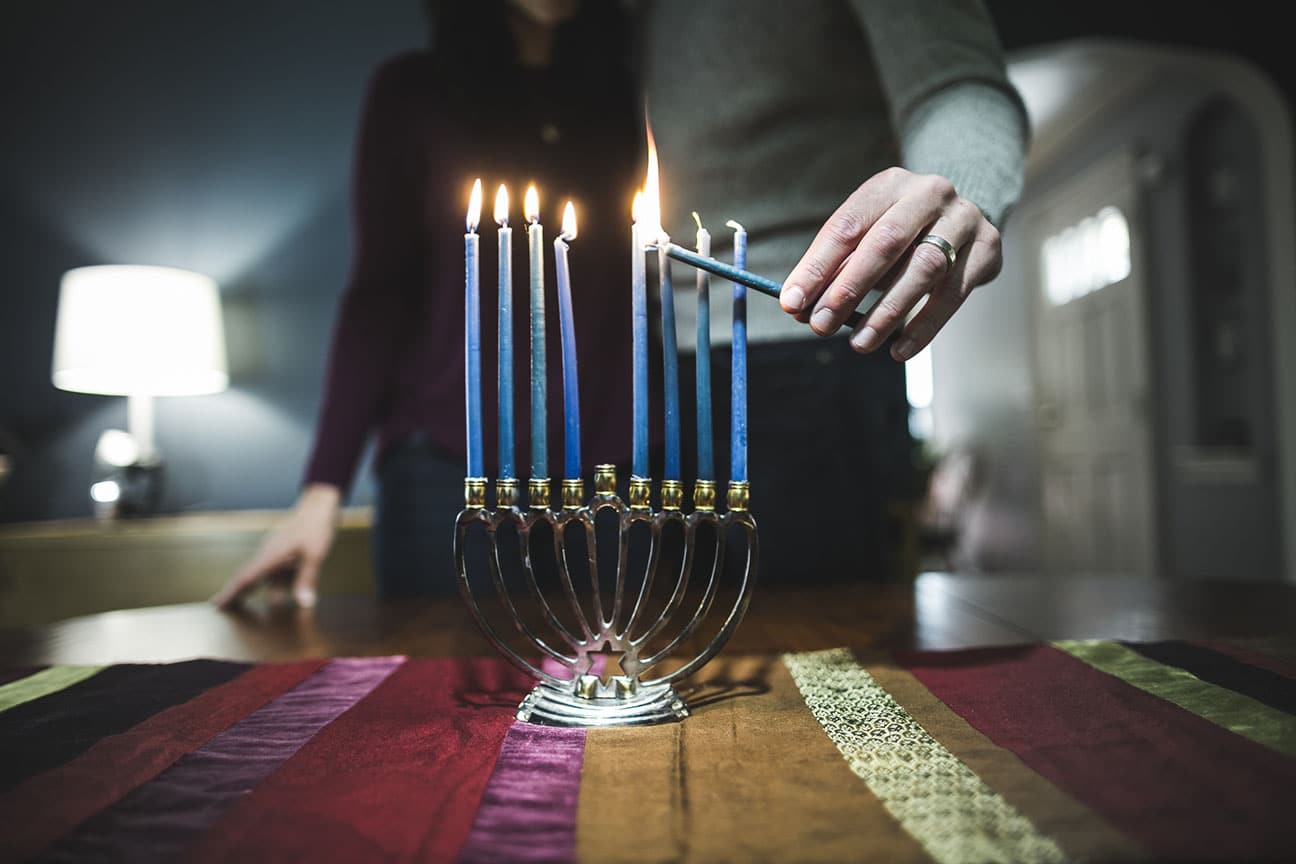
If we keep our pride in that heritage alive when we light our Hanukkah candles this year, privately or in public, we will project the kind of strength that not only starves the haters of attention, but empowers Jews to be Jews.
Just like the Maccabees of ancient time, that in itself would be a victory.
Happy Hanukkah.