We are rightfully concerned about antisemitism and anti-Zionism and we are quick to publicize every instance of malice and injustice against our people. Our media decry the spread of Jew-hatred. Our various spokespeople lament the increase in antisemitic acts, especially since Oct. 7.
It is important to expose and combat antisemitism and anti-Zionism with all our might.
But is our messaging unwittingly actually leading to an increase in Jew-hatred?
In his book “Subliminal,” Dr. Leonard Mlodinow discusses a surprising phenomenon. Public service announcements sometimes backfire. For example, some ads urge visitors to national parks not to litter. In one controlled study, an ad denounced littering and this resulted in less littering. But another ad included the phrase “Americans will produce more litter than ever.” This ad actually led to an increase in littering. Dr. Mlodinow points out that the subliminal message of the latter ad is that it’s really okay to litter; everyone is doing it!
When people are constantly told that anti-Israel sentiment is rampant, subliminally at least some of them will think: It’s okay to hate Israel, lots of people do. If people are given statistics that antisemitic or anti-Israel acts are increasing dramatically, at least some of them will conclude: If so many people hate Jews and Israel, it’s okay for me to do so also.
Publicizing anti-Israel and anti-Jewish behavior can be a double-edged sword. We need the world to know what’s happening and rally good people to fight the injustices against us. But by highlighting how many people hate us, we actually may be encouraging closet antisemites to come out into the open with their venom. The more visibility antisemites have, the more they create a snowball effect drawing others into the hatred syndrome.
By highlighting how many people hate us, we actually may be encouraging closet antisemites to come out into the open with their venom. The more visibility antisemites have, the more they create a snowball effect drawing others into the hatred syndrome.
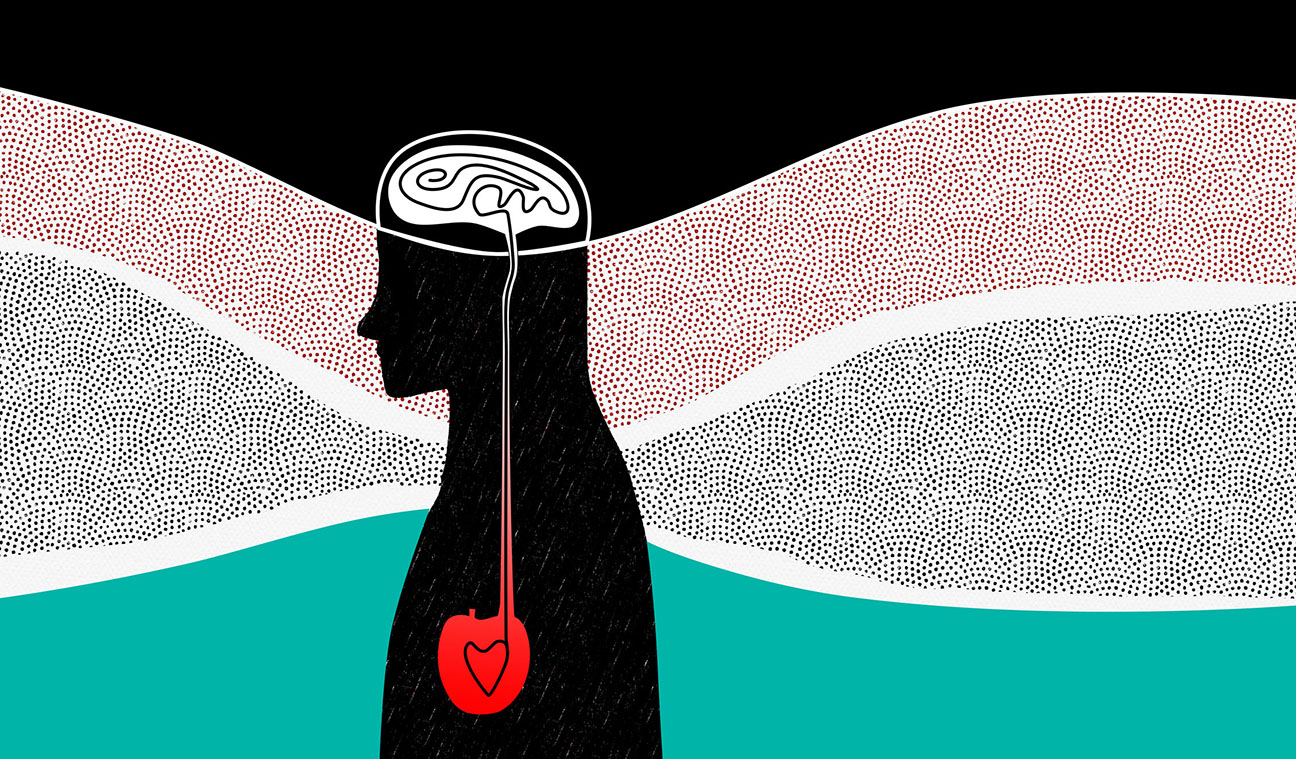
In another of his books (“Emotional”), Dr. Mlodinow writes about psychological contagion. Research is being done about “the spread of emotion from person to person or throughout an organization or even an entire society.” When crowds get fired up against Israel and against Jews, the hatred can become “contagious.” It is difficult to combat this type of psychological contagion; but just condemning it will not make it disappear.
We fight the antisemites and anti-Zionists by strengthening our own communities; by insisting on prosecution of hate crimes; by electing pro-Israel officials; by working with good people to foster civil society. But we also have to promote positive messaging to the general public.
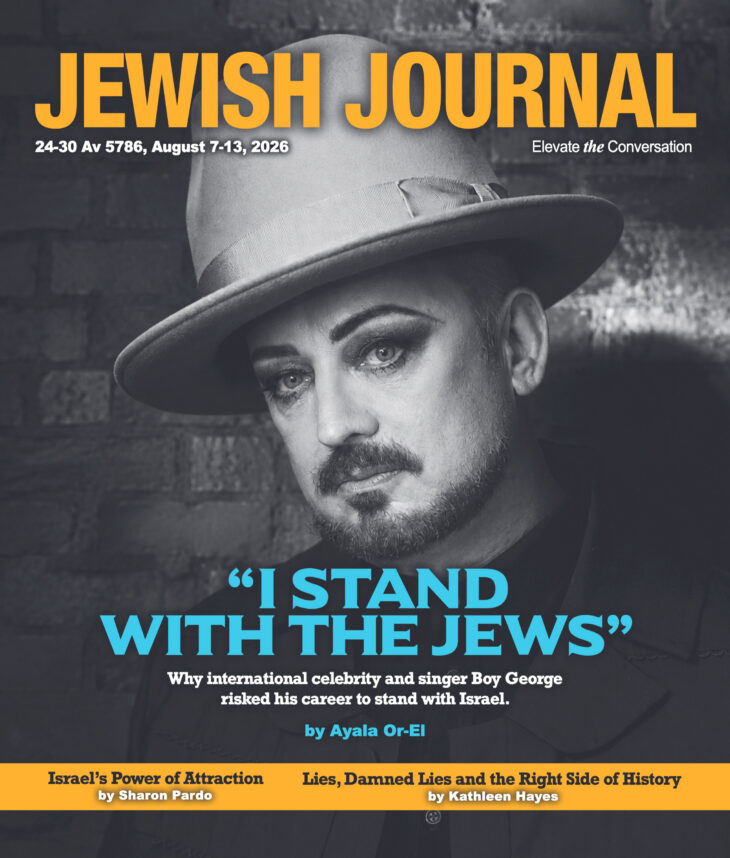
Instead of constantly publicizing the increase in anti-Jewish words and deeds, we ought to be emphasizing the many millions of people who admire and support Israel and Jews. Instead of giving front page attention to anti-Israel celebrities, we ought to highlight the pro-Israel voices and reserve the bad actors for the back pages.
The overwhelming majority of the public abhors terrorism. They resent “activists” i.e. haters who block highways, disrupt college campuses, vandalize businesses, and attack innocent individuals on the basis of religion, race, nationality or other reasons. Instead of the media showering so much attention on the haters, we should be demanding even more attention on those who promote civility, mutual respect, and intergroup cooperation.
We certainly must condemn and fight antisemitism and anti-Zionism. But our messaging must be positive and must draw on the goodwill of millions of people who appreciate the values of Israel and the Jewish People.
Rabbi Marc D. Angel is Director of the Institute for Jewish Ideas and Ideals; and rabbi emeritus of the historic Spanish and Portuguese Synagogue of New York City.