“Bibi, I love you, but I don’t agree with a damn thing you say.”
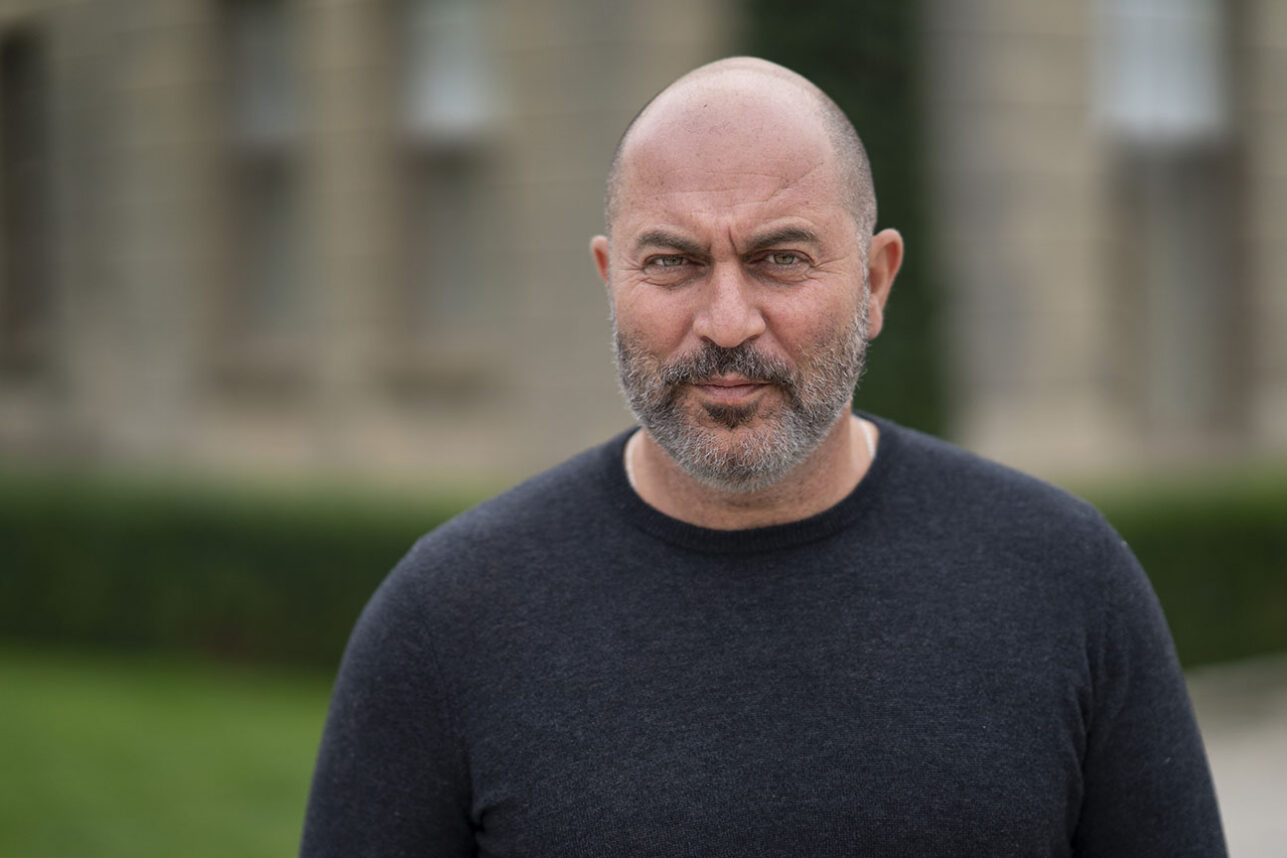
When Joe Biden wants to describe the complicated nature of his relationship with Benjamin Netanyahu, he invariably relies on a familiar anecdote about a photo he signed for his Israeli counterpart many years ago that featured the inscription above. It’s Biden’s way of reminding his audiences that his strong personal relationships with international leaders can help bridge policy differences and move sometimes difficult allies like Netanyahu in his direction.
The quote perfectly captured the binary and often conflicted bro-mance that has developed between the two men over the course of their lengthy careers. But last week, Biden dramatically altered the balance in their partnership, shifting emphasis from their ongoing personal affection to the growing scope of their disagreements. The American president publicly and harshly criticized Netanyahu on a number of fronts, including Israel’s conduct of the war against Hamas, their plan for keeping Gaza stable after the war, and what Biden sees as a need for the Israeli leader to overhaul his governing coalition.
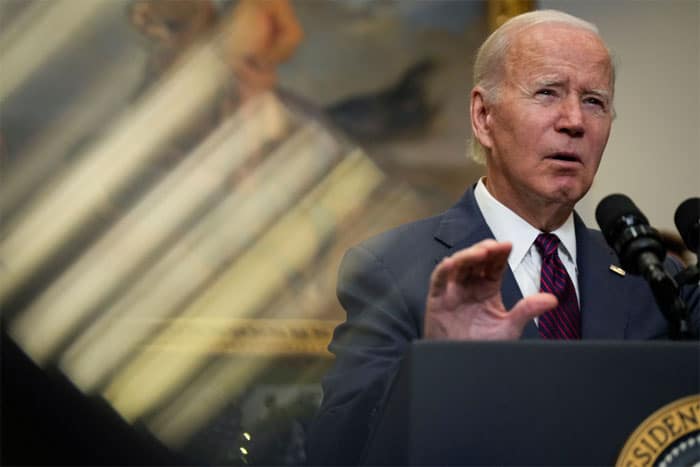
Biden did not hold back. Up until now, he had delivered these messages more discreetly, first in private conversations and then through surrogates and media leaks. But in a very public speech, he bluntly criticized Israel’s “indiscriminate bombing” of Gaza, warned that the Jewish state was rapidly losing international support and needed to “be more careful” in its military efforts, and urged Netanyahu to replace his current coalition with a more centrist group that would be willing to work toward a two-state solution.
All in all, it was the harshest public admonition that Biden had ever delivered to Netanyahu. The White House had been adamant until now that praising Netanyahu in public gave Biden the leeway to confront him more directly behind closed doors. But with the U.S.’s closest allies calling for a ceasefire and Democratic progressives in open revolt against the president as he heads into a critical reelection campaign, Biden decided that shining a spotlight on their disagreements was necessary.
Netanyahu’s immediate reaction was to soft-pedal those differences, acknowledging that their dispute was primarily over the path forward after the war. The longtime Israeli leader knows that his country’s voters have historically turned to him when they feel unsafe, and he also recognizes that their trust in him was lost on October 7. So he quickly pivoted to establish himself as Israel’s sole defender against a Palestinian state, promising that he would stand up to external pressure for a two-state solution. Netanyahu’s poll numbers are abysmal: His Likud Party would lose more than a dozen seats in the Knesset if elections were held today and he would be replaced by a center-right leader like Benny Gantz. But warning about “the fateful mistake of Oslo” allows him to remind Israeli voters that he has always protected them in the past against similar concessions that could put them and their families in danger.
Israel will continue to be America’s strongest Middle East ally, and the Arab world’s ongoing flirtations with Russia and China make this relationship more important than ever. But the White House believes that the only way to make Gaza work is with the full cooperation of Egypt, Jordan, Saudi Arabia and other regional powers. And it is becoming increasingly clear to Biden and his advisors that Netanyahu’s forceful resistance to that preferred outcome of a cooperative security arrangement headlined by the Palestinian Authority has become an obstacle for which they are quickly losing patience.
So expect the public pressure on Israel from the Biden Administration to continue. Right now, the focus of that strong-arming is on the war effort itself. But Netanyahu will soon find himself feeling just as coerced to accede on questions regarding Gaza’s post-war future. And don’t be surprised if Biden himself continues to talk about what he thinks an Israeli government will need to look like in order to bring peace. An American president will never call for the people of Israel to replace their prime minister. But the implication will be clear.
Dan Schnur is the U.S. Politics Editor for the Jewish Journal. He teaches courses in politics, communications, and leadership at UC Berkeley, USC and Pepperdine. He hosts the monthly webinar “The Dan Schnur Political Report” for the Los Angeles World Affairs Council & Town Hall. Follow Dan’s work at www.danschnurpolitics.com.