Joe Biden is older than Israel.
Technically, the president is only older than the modern iteration of the Jewish state. (He is a septuagenarian, not an Eternal.) But he was starting first grade in Scranton, Pennsylvania when David Ben-Gurion declared Israel’s independence in 1948. And he was already walking and talking a few years before that, when Franklin Roosevelt met with Saudi King Abdulaziz Ibn Saud on an American cruiser in the Suez Canal to begin what is now the longest U.S. relationship with an Arab state.
Although he probably wasn’t aware of these momentous events as a small child, it is still fair to say that Biden’s history in the Middle East goes back a long way. He met Israeli Prime Minister Golda Meir during his first year in the Senate, just before the outbreak of the Yom Kippur War. He served on the Senate Foreign Relations Committee for decades and as the committee chair twice. Given the distrust toward Barack Obama among many Israeli and Arab officials, Biden carried a heavy portfolio in the region during his years as Vice President. And one of his chief selling points during his 2020 presidential campaign was his experience on the world stage and his relationships with global leaders.
The threats posed by Russia, China and Iran in the region had gradually forced Biden to acknowledge that he could no longer afford the luxury of his condemnations.
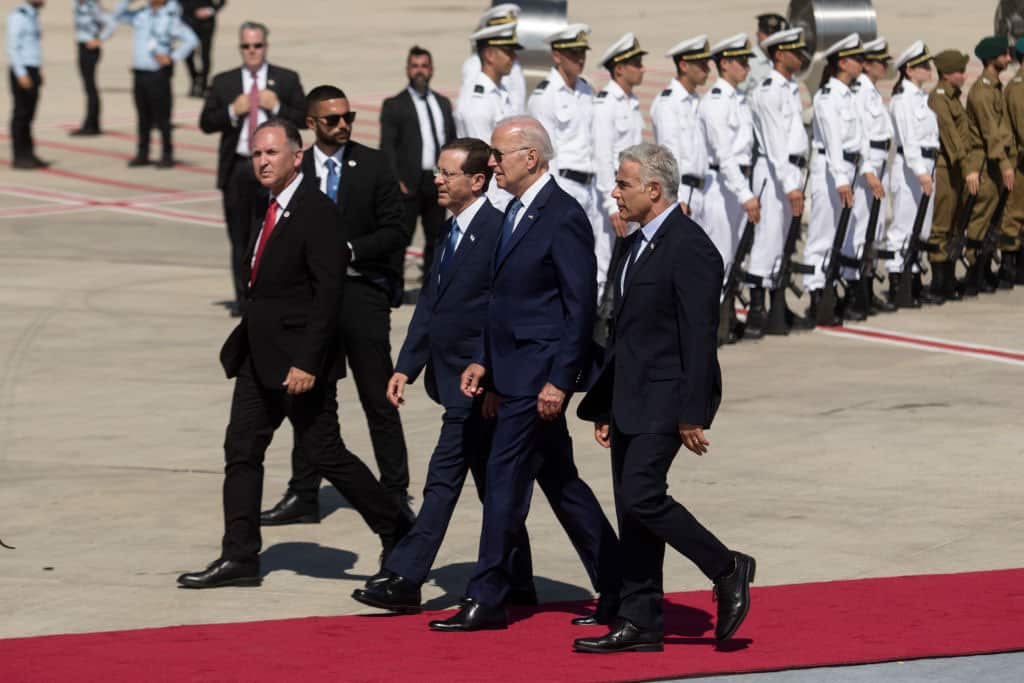
So expectations were high when Biden scheduled his first visit to the Middle East as president. The trip began with two fairly perfunctory days in Israel, but the main focus was on the president’s time in Saudi Arabia, where his previous harsh criticisms of the country’s de facto leader Mohammed bin Salman had run up against the geopolitical realities of mending fences with the oil-rich Saudis. During his campaign, Biden had promised to turn MBS into a “pariah” for his role in the murder of journalist Jamal Khashoggi. But the threats posed by Russia, China and Iran in the region had gradually forced Biden to acknowledge that he could no longer afford the luxury of his condemnations.
Much has been made of the “fist bump heard round the world” between the two leaders, and the symbolism of the collegial appearance of the gesture created an unhelpful short-term public relations setback for the president. But Biden has been at this for several decades and he ultimately concluded that the immediate flare-up was a worthwhile price to pay in return for several potential long-term gains.
World attention has focused primarily on the skyrocketing cost of gasoline and Biden’s unsuccessful efforts to convince the region’s oil-producing countries to increase their output. Both American and Saudi officials were wary of any deal that appeared to be an overt tradeoff, so any new agreement will not be announced until later this year. But even when Saudi Arabia and the other OPEC nations do release more oil into the world marketplace, the impact on gasoline prices in the U.S. may well be negligible. The biggest beneficiaries will be European consumers, who rely much more heavily on Russian resources to meet their energy needs and who are already preparing for a long, cold and expensive winter.
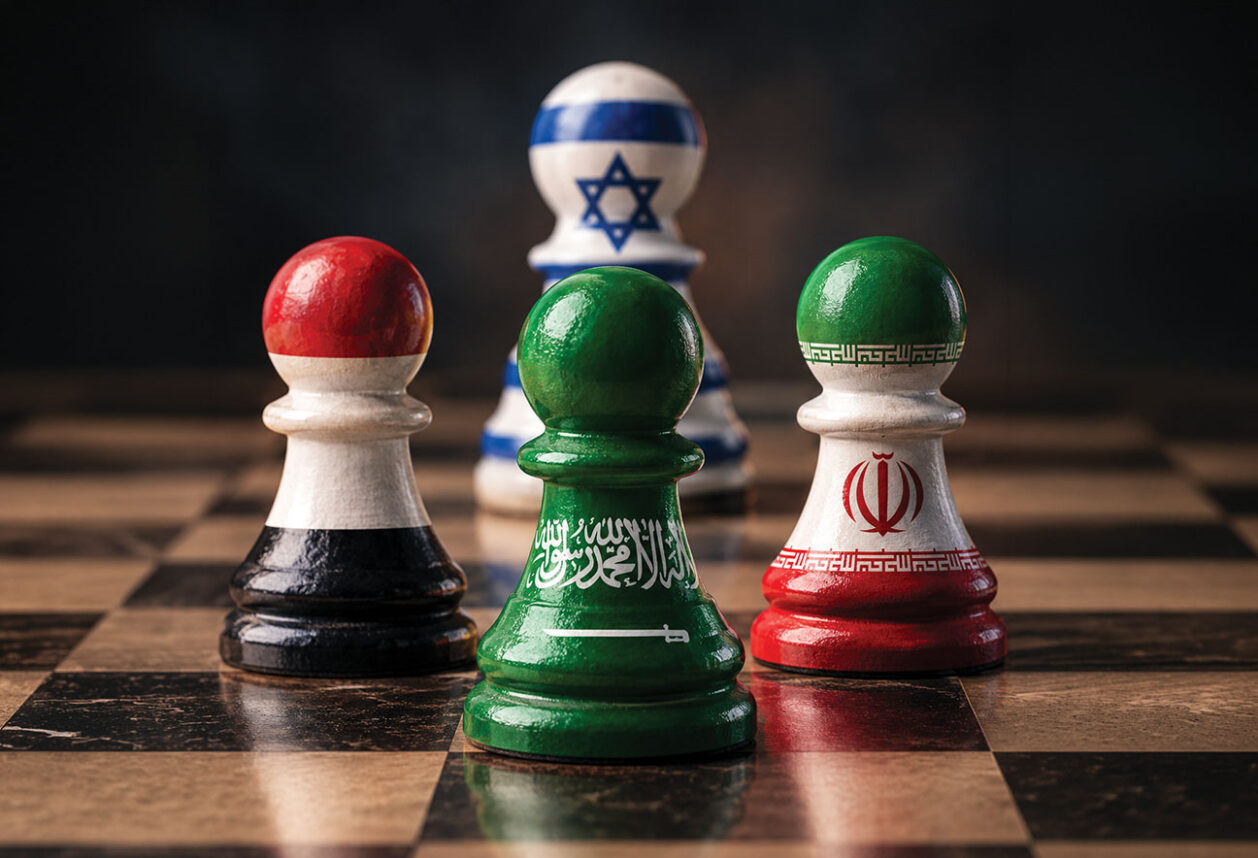
Biden also sees Saudi Arabia as the key player in tilting Middle Eastern leanings away from China and back toward the West. MBS and other authoritarians in the region like the fact that China does not lecture them on human rights abuses the way Americans do, but they also see the U.S. as a more reliable economic and military partner. Finally, the White House envisions a stronger and more public Israeli-Saudi coalition as a bulwark to protect against Iranian aggression and understands that this partnership will not succeed without active brokering by the U.S.
All of which is to say that Biden did consume large amounts of humble pie in Riyadh, and he did deprioritize his country’s values in exchange for more practical political considerations. But this wasn’t simply a trade for lower gas prices. Rather, it was a reasoned calculation that preserving the alliance against Russia in Ukraine, protecting against Chinese intrusion in the Middle East, and defending against Iranian nuclear hostilities were of sufficient value to endure an awkward and somewhat humiliating photo opportunity.
Dan Schnur is a Professor at the University of California – Berkeley, USC and Pepperdine. Join Dan for his weekly webinar “Politics in the Time of Coronavirus” (www/lawac.org) on Tuesdays at 5 PM.