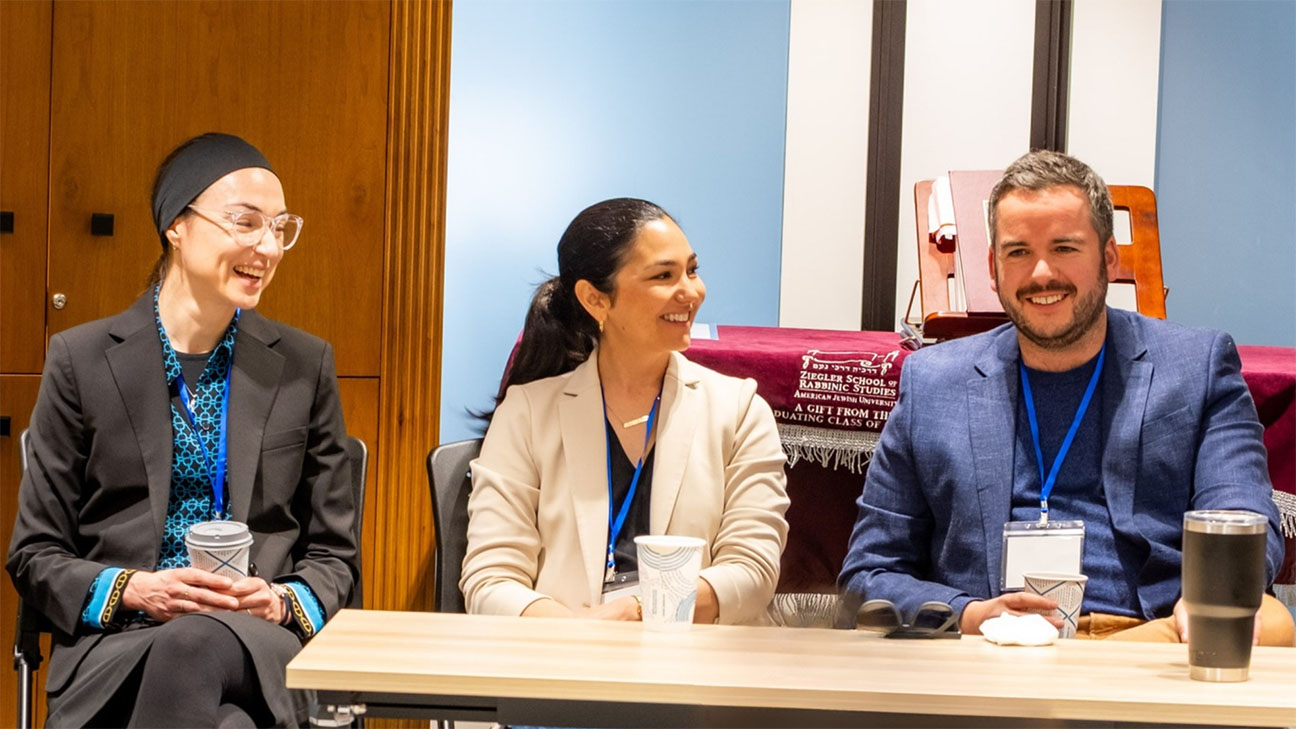

In 2016, author Cambria Gordon, her husband and their youngest child left Los Angeles to take a yearlong sabbatical in Madrid. She fell in love with Spain and became fascinated with the history of the Jewish people there, traveling to the old communities where they used to live like Toledo and Segovia and going to synagogue with Ashkenazi transplants who had moved there. Though Gordon is Ashkenazi, her stepfather was Sephardic so she’s familiar with the traditions.
“I was raised with a lot of cultural Sephardic food and Ladino speaking in the home,” she said, in a phone interview with the Journal. “I found myself drawn to it.”
Gordon started reading fiction and non-fiction books on the Spanish Inquisition since she never learned about it growing up. Though she’d never written a novel – her first book was about global warming and co-written with Laurie David – she knew she had to create one about this time in Jewish history.
“The Inquisition weighed heavily on me,” she said. “I wanted to do a forbidden love story set during that time and my [former] agent said I should.”
Now, Gordon is releasing her new young adult novel, “The Poetry of Secrets,” on February 2. The book takes place in 1481 on the eve of the Inquisition and centers on Isabel Perez, a girl who sneaks out to poetry readings and falls in love with Diego Altamirano, a young nobleman whose family would not approve of Isabel. Her family members are conversos, or Jews who converted to Catholicism to avoid prosecution, but they still practice Judaism in secret in their home.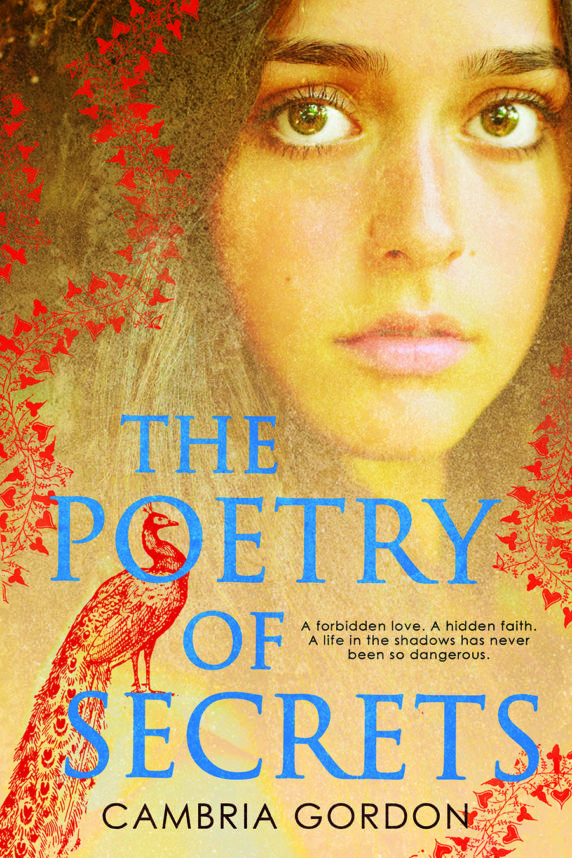
While in Madrid, Gordon learned Spanish. She wanted to make the book as true as possible, so she throws in Spanish words and tried to write like how a teenager from 1481 would talk. She uses phrases like “goose pimples” for “chills” and “a load of rotten posset” for “crap.”
“I wanted Isabel to be this feisty character and she couldn’t speak in slang or like a modern teenage girl would speak,” she said. “I really tried to be authentic.”
That meant putting herself in Isabel’s place. “I imagined what it would be like to be a 16-year-old girl who fell in love with the wrong man,” Gordon said. “Would I be proud of my heritage or hide it? Would I be a practicing Jew who never converted or a converso? I found that I identified with Isabel.”
One of the reasons Gordon said she felt the need to write her novel is because young people typically learn about the Holocaust, but not the Inquisition. She said that when doing her research, she realized there was a direct line between the Inquisition and the Holocaust. During the former, the church would make Jews wear a badge identifying themselves. Jews could not cut their hair, work in certain lines of business or even talk to Christians.
When doing her research, she realized there was a direct line between the Inquisition and the Holocaust.
“Nazism didn’t come out of the ether,” she said. “There are historical precedents and I think it’s really important to understand that when you dehumanize someone, you can do anything to them.”
In one point in the book, this happens to Isabel when she is tortured. “I didn’t want to hide the truth of what happened to people, even if they were female and they were young,” Gordon said. “It wasn’t just men being tortured.”
Despite the fact that “The Poetry of Secrets” reveals a tragic time in Jewish history, Gordon thinks the book will resonate with young people today who are finding their own voices and figuring out what they believe in.
“The book has hope,” Gordon said. “The main character has so much agency in her choices that it’s something that young people as well as adults will not be afraid of and be inspired by.”
“The Poetry of Secrets,” from Scholastic Press, is available for pre-order on Amazon