
“They want to audition you on the phone to play a new character — the mother of your “Rugrats” cartoon mother Didi — a grandmother from the old country,” motor-mouthed my agent’s assistant. “You’ll have scenes where you’re talking to yourself sometimes, if we’re lucky.”
“Wait. Which old country?” I asked.
“The Jewish one.” he said. “I’ll send you the script and sketches — they’ll call you from the network tomorrow at 5.”
I didn’t know Didi Pickles was Jewish. This would give the Pickles’ marriage and the babies and me a whole new dimension to play in as the series continued.
The agent faxed me — this was 1989 — a script and pictures of Minka, a bespectacled, plump woman in her mid 70s with a gray bun, big bosom and geriatric shoes — a generic, nonspecific Eastern European type. Although the series was created by Jewish producers, Minka’s introductory dialogue was clearly written by goyim who had no clue. Lines like “Oh, Lordy, Lordy, Boris, you silly old man. What have you done with my grandchildren?” screamed for a Russian-Yiddish accent, called for concretizing the generalities into a person with a pulse. But both of my grandmothers had left the Earth when I was little; their voices and essences were lost to me.
I rushed to Los Angeles’s Fairfax district for emergency research and dashed into the kosher delicatessen where I shopped on occasion, and there she was — Minka incarnate. Mrs. Zeiderman had the same style of bosom, same unflattering hosiery and footwear, and there was a comforting similarity to the mothball scent of my grandmas, too. Had they all shopped in the Jewish grandma store? I told her my dilemma and, pleased to contribute to the Hollywood process, she shared scenes from the rich life and warm family she’d been forced to flee. I got a lot more than I bargained for — her girlhood happiness, her wrenching sadness, all expressed with her colorful inflections, plus some whitefish to go. I left with a pang of nostalgia for the old folks I didn’t get to grow up knowing.
I got cast and merged the producers’ memories of their grandmas with mine, plus a pinch of Mrs. Z. Minka later narrated the groundbreaking “Rugrats Chanukah Episode” and squabbled with Boris (voiced by Michael Bell) in the historic “Rugrats Passover” perennial, a nonviolent PG version of the story. Those shows, the first animated Jewish holiday specials for television, were cited by the National Foundation for Jewish Culture for Outstanding Achievement in the 2001 Jewish Image awards.
I got cast and merged the producers’ memories of their grandmas with mine.
But with complaints from other Jewish organizations claiming inherent Anti-Semitism in the “demeaning” Minka and Boris depictions, we were brought up short. My own mother was uncomfortable with the images, which resembled those in the Nazi propaganda films of her youth. The “Rugrats” collaborators were stunned, as the intention had been for an affectionate send-up of beloved characters who were fading from our culture; the current generation of Russian immigrants were sporting hip American fashions and behaviors.
“Were mice offended by Minnie Mouse,” I defended, “ducks offended by Daffy and Donald?” But despite our good intentions, prejudice is in the eye of the offended; the staff was chastened by the sensitivities we had inadvertently provoked. Thereafter, Minka evolved from a rural Lithuanian peasant to a woman from a shtetl finishing school. We assimilated and Americanized the grandparents’ voices, the animators softened the caricatures, sobered that prejudice and persecution have remained the plagues for our people throughout our history.
This year marks the 25th anniversary of the first airing of the “Rugrats Passover Special.” If current plague conditions this very viral season demand that you have a virtual seder via Skype, if you are unable to break matzo with your brethren, if you yearn for the safety of your grandparents’ laps, streaming the “Rugrats Passover” episode with loved ones might prove a great comfort.
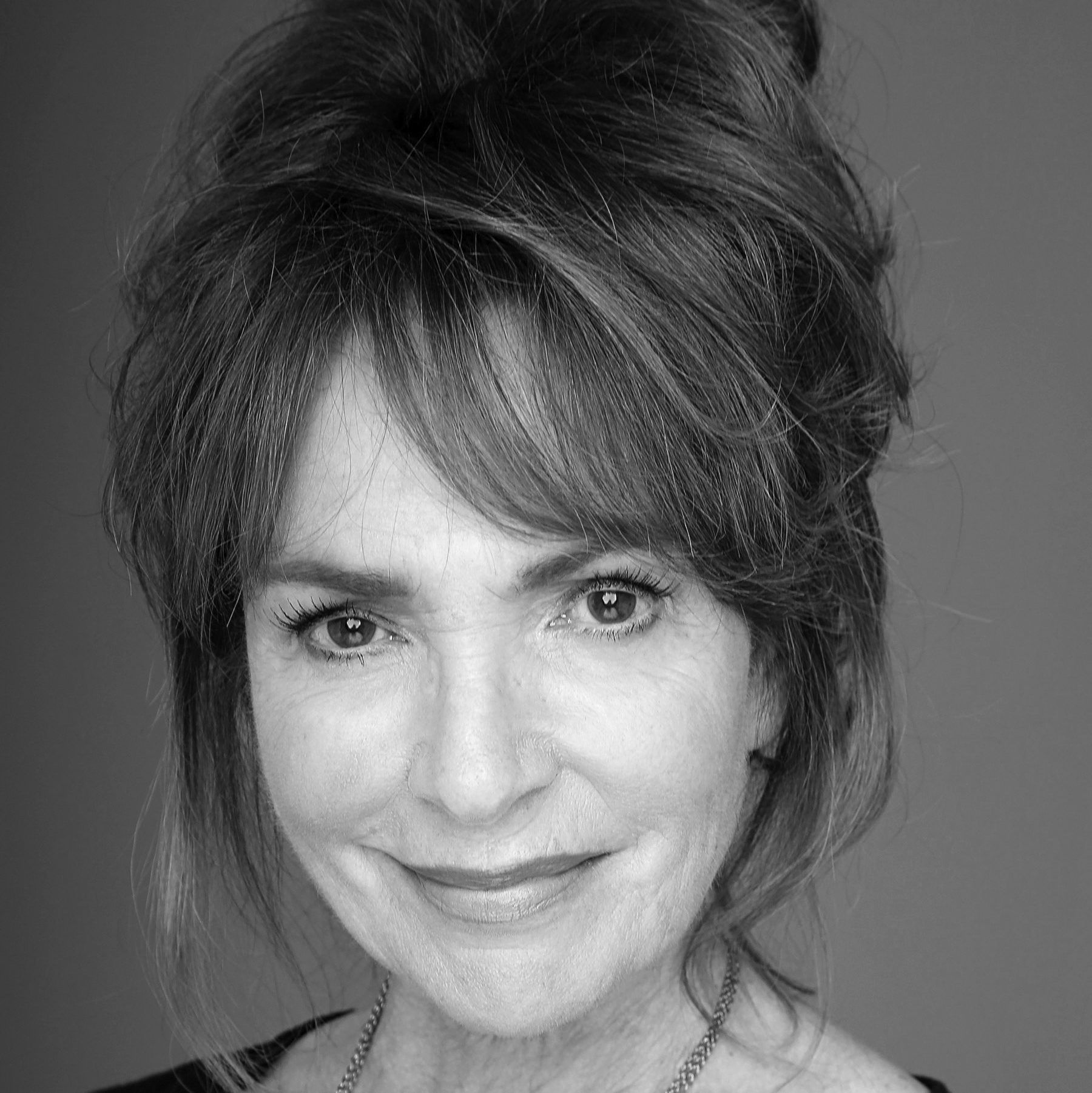
Melanie Chartoff has acted on Broadway and television.