There have been very few times when I encountered someone or something and immediately thought, “This just feels right.”It happened when I met my husband, Daniel; when I attended my first Shabbat dinner; and when we walked into our shul, Knesset Israel in Los Angeles.
Ten years ago, when I began converting to Judaism and Daniel was becoming more observant, we went to a historic synagogue in Brooklyn, N.Y., called Greenpoint Shul. The leader, Rabbi Maurice Appelbaum, was sincere and welcoming, and the shul itself was beautiful, with big stained-glass windows and lovely wooden pews. There were about 50 members, so we had the chance to get involved right away.
We sought out a similar synagogue when we landed in L.A. in 2012. We ended up shul hopping for six years. One had a fantastic rabbi and rebbetzin who became our close friends; another satisfied Daniel’s longing for a Sephardic davening; one had great Kiddushes; and another featured amazing classes. I wanted to combine them all into one mega shul but, of course, that wasn’t possible.
We felt so lost without a shul of our own for so many years that by the summer of 2018, we were ready to pack up and leave L.A. Then I felt we needed to check out a shul near us called Knesset Israel.
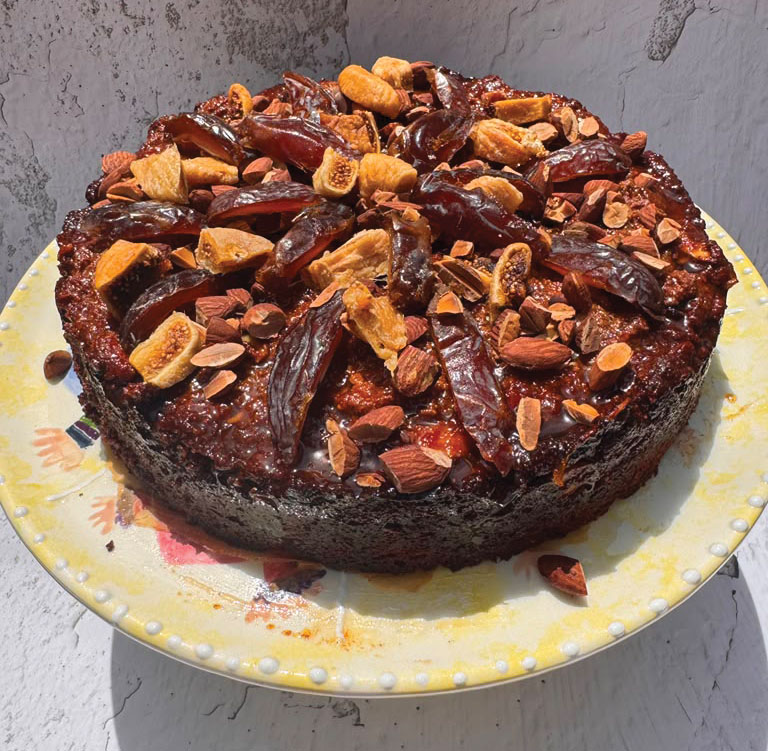
Attending on a Shabbat morning, a “this is right” feeling swept over me. There was a hand-carved wood bimah, old-school paneling on the walls, and a vintage Israeli flag. The rabbi, Jason Weiner, was an incredible orator with a warm personality who reminded me of Appelbaum. At Kiddush, everyone was so friendly. The vegetarian cholent was the best I’d ever tasted.
We fell in love with Knesset Israel. We became consistent about our synagogue attendance. Eventually, I joined the board, was appointed the president of programming and helped lead the women’s group.
I learned the amazing history of the shul. It was started in 1956, and the vast majority of the founders were Holocaust survivors. It was a Conservative shul, and it became Orthodox to adjust to the changing neighborhood. Today, it’s the only shul south of Cadillac Avenue that’s still part of Pico-Robertson.
We fell in love with Knesset Israel. … Our shul is a place where everybody matters.
One day, when we were talking to Weiner, we mentioned Appelbaum and how much Knesset Israel reminded us of the Greenpoint Shul.
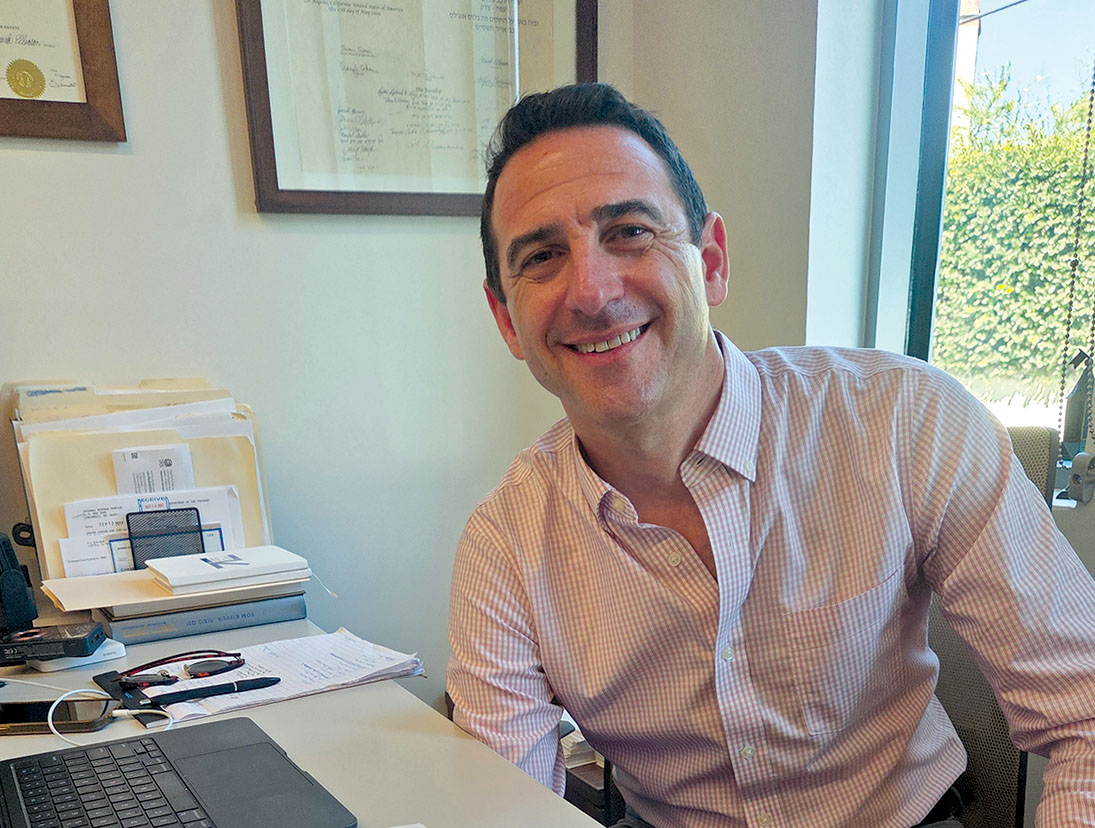
“Rabbi Maurice Appelbaum?” Rabbi Weiner said. “He was my chavruta.”
That explained one of the reasons we fit in there.
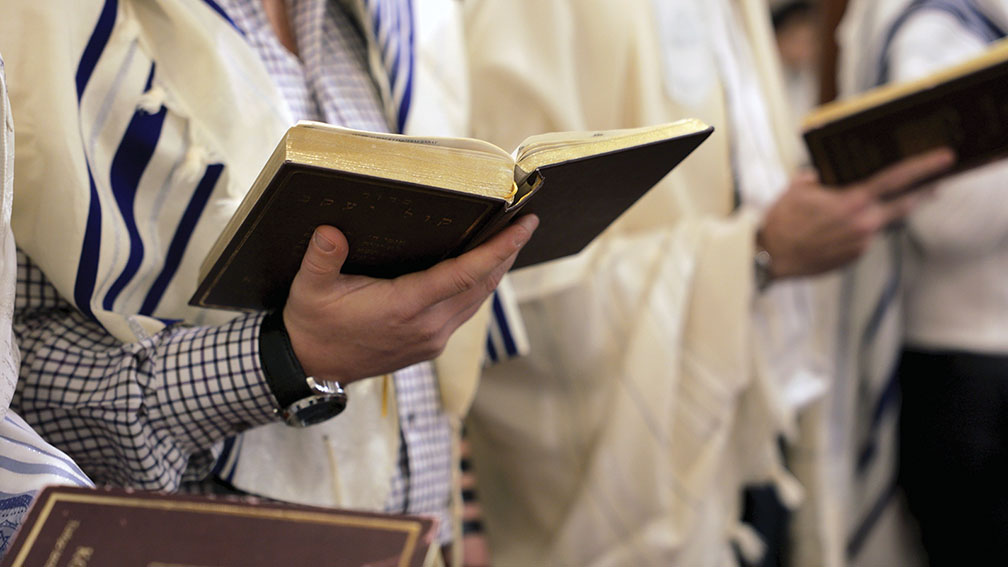
Our shul is a place where everybody matters. The congregants rotate leading the davening, and if you’re a newcomer, you can bet that you’re going to get an aliyah. On Shabbat, Daniel sings “Ein Keloheinu” in a Sephardic tune, and all the little kids chant the Ashkenazi version of “Adon Olam.” One Chabadnik member leads a Chasidic class, and we learn about a variety of great Jewish leaders from different backgrounds during seudah shelishit.
We have had to take a break from Knesset Israel lately, as has everyone, because of the coronavirus. While I was sad to see the email telling us the shul would be closed for Shabbat, we were proud that Weiner was one of the community leaders making that tough decision in an effort to combat the spread of the virus and save lives.
Throughout our time in isolation, I’ve been grateful to receive emails, phone calls and texts from fellow congregants offering support. We know that even though we’re isolated, we’re in this together. And one day soon, God willing, we’ll be davening with the Torah, catching up on one another’s lives, and eating that delicious cholent again. When we go back to our new normal, we hope that it will feel like it always has: just right.
Kylie Ora Lobell is a Journal contributing writer.