This week we prepare for the holy Passover, and anticipate the holiday that falls on the night of Shabbat. On that night, we retell and explore our collective paths toward freedom, we honor miracles, contemplate pain and suffering, and consider the meaning of life and faith.
I feel a special anticipation for the beginning of this important holiday, for the familiar bitter herb and the salty water. These parts of the Passover Seder are symbolic of so much in all of our lives, of the conflict and difficulty that surrounds us. Perhaps it’s that we began this week learning of yet another attack on a bus in Jerusalem, or the tragic loss of 2 Azerbaijani children, their lives stolen by the gunfire of foreign invaders, only a few hundred miles from my home in Baku. This happened in Nagorno-Karabakh, a region of our country that has been torn by violence for over two decades.
I know, tragedy and violence take place every day, across the world. In the Passover style, I ask myself: so why this year, does it feel even closer, and more desperately sad, than in years past? It might be the proximity of concurrent violence, in Israel and Azerbaijan, and how it happened to innocent civilians in both cases. And both are places that want a safe society, and a right to peaceful life, for everyone. The fact that such places are under attack hurts especially more. When they are under attack at the same time, it feels so intense it is like a shadow has been cast on life, to some extent, as if to challenge faith as much as possible, and to say, there is no sunshine above to help us walk this difficult path ahead.
We’ve known the impact of senseless brutality against Azerbaijan before, and the same invaders, Armenian military forces, ravaged, ruined, and devastated entire villages in Karabakh, and murdered the men, women, children, even grandmothers and infants, that ran from their homes to the woods, for the sake of their lives. Many were lured under the guise of safe passage, only to be shot in the field en route, hunted down and slaughtered like animals.
Today, those same invaders are firing on our people again. My heart weeps for the victims, as I did in the 1990’s, when those forces invaded the same lands of Azerbaijan they still occupy today.
I realize in all this a great and definitely spiritual connection to what has recently happened to our people, in Israel and Azerbaijan, to the meaning of this week, as we ready ourselves to relive our history, of leaving a life of bondage and affliction to live in peace and in freedom.
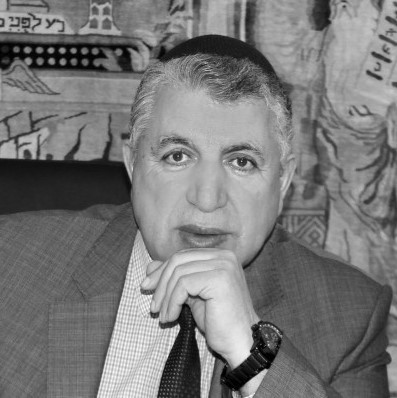
I mentioned my sorrows and conclusions today to the Rabbi here at the Mountainous Synagogue in Baku, after morning prayers. At first he responded quickly: “What can you expect? Tragedy is tragic, nu?” But then he paused, and he shared his wiser thoughts. He said to me: “It’s important to feel these feeling of pain and sorrow right before Passover, even if the reasons for those feelings are so terrible. It’s good because the cause for freedom is truly the most serious of all struggles, and it’s easy for us to forget. So life reminds us, however unfortunately.”
This week, freedom is at stake, and the risks are closer to home than ever before. The question before us, is what are we going to do to stand up, even against the overwhelming armies and voices of hateful reason? And with Passover only days away, I am left with this additional question: what meaning do we derive from the retelling of our past if we hold back on our courage and conviction, in confronting the threats and occupiers of freedom that exist today?
From Azerbaijan, I wish everyone a Zasin Pesach.