
Shaare Zedek Medical Center in Jerusalem said Wednesday night that after undergoing lifesaving procedures in its trauma unit, Leiter underwent complex brain surgery lasting several hours along with additional treatments.
First launched in 2024 and updated again this year, the guide offers practical resources and advice for navigating the current campus climate.

While so much of the world seems obsessed with and consumed by its hatred of Israel and Jews, Israelis continue to build, create, work, celebrate, argue, raise families, and plan for the future.

“The biggest concern is that people now have a pathway to shut down Jewish voices through complete falsities that people will believe. … For the future of Jewish entertainment, it’s very scary.”
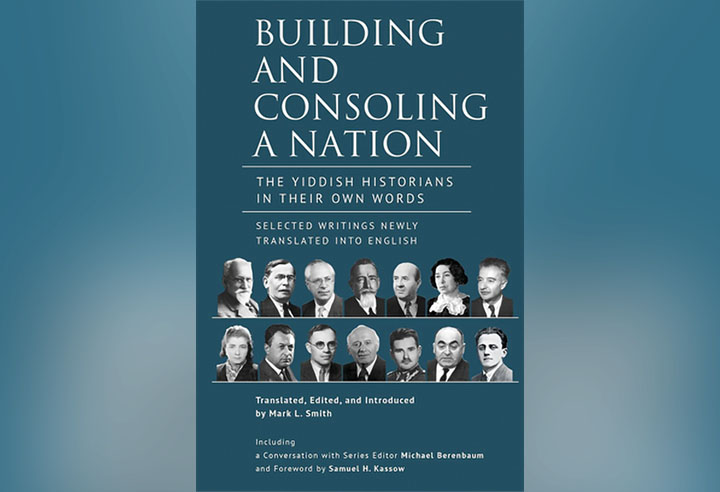
Mark Smith has compiled an important anthology of Jewish history using 49 works by Yiddish historians to recreate or at least open the door to a world of Jewish thought that was once almost mainstream, but which no longer exists, except in the minds of too few specialists.

Most Jews who have sung “Eitz Chaim” over the past half-century probably never knew Portnoy. They did not know when he wrote the melody or how young he was when he composed it. They simply knew the song.

The failure of the social media era was not simply that we failed to predict what would happen. It was that we continued giving technology companies the benefit of the doubt long after there were compelling reasons not to.

If Jews come to believe that changing their policies is the key to fixing antisemitism, they are likely in for disappointment.

Those who would revel in Israel’s demise are claiming victimhood on every front and denying attacks on us in the same breath.

Every time Americans fill their cars, buy groceries or book an airline ticket, they are paying an invisible terrorism tax.
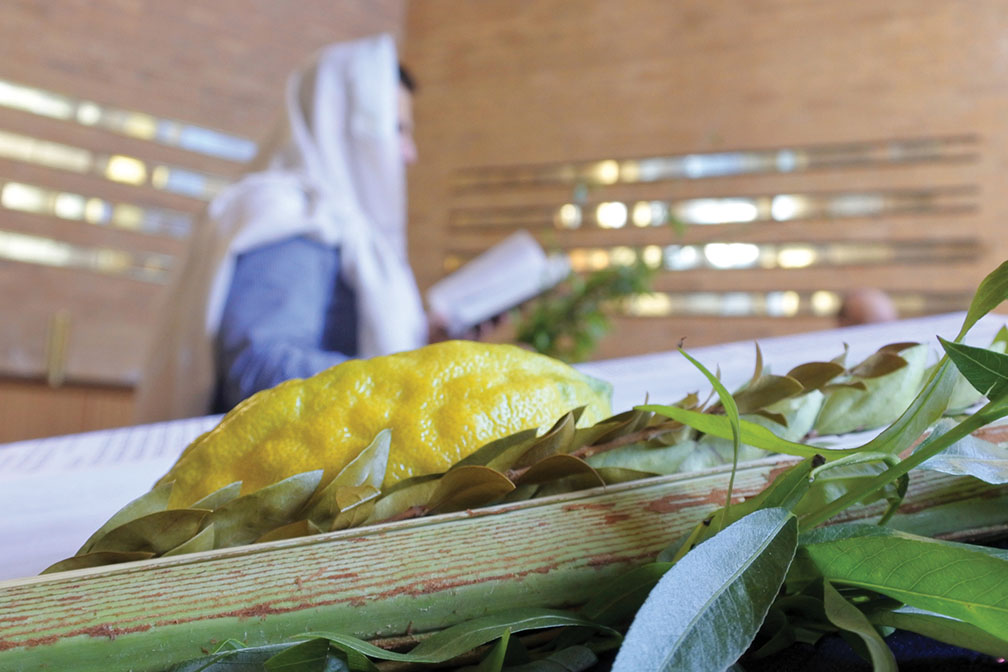
Family wants everyone around the table, because we care about each other.

After Oct. 7, the sentiment in Israel toward the Iranian leadership was unequivocal: You went medieval — so we will go biblical.
This year, I bless us that we open our eyes to truly see the beauty and the holiness of the world, and of the person before us at each and every moment, and to see the godliness of their aspirations and their fears.

Ushpizin invite us to “welcome in our ancestral constellation and dwell amongst them.” This year, it’s Ushpizot, for the women. It’s the year of the Feminist Visitation.

In between his songs, he proclaimed, “Free Palestine,” which is fine, asserted that opposing Israeli military actions is not antisemitic, which is accurate, and accused Israel of apartheid and genocide, which is offensive, untrue and hateful.

To Rabbi Eleazar ben Judah of Worms (1176-1238), the medieval German pietist known as the Rokeach, the sukkah symbolized Jewish military might.

There is deep wisdom for men in Sukkot and its ritual objects.

They can destroy our Temples, demonize us in social media, shower us with hate, but they can’t destroy a spirit that never stops building. That enduring spirit is the power of the sukkah.

A satirical response to Zaina Arafat’s erasure of Jews in her New York Magazine article “Habibi City,” written as Zaina Arafat.
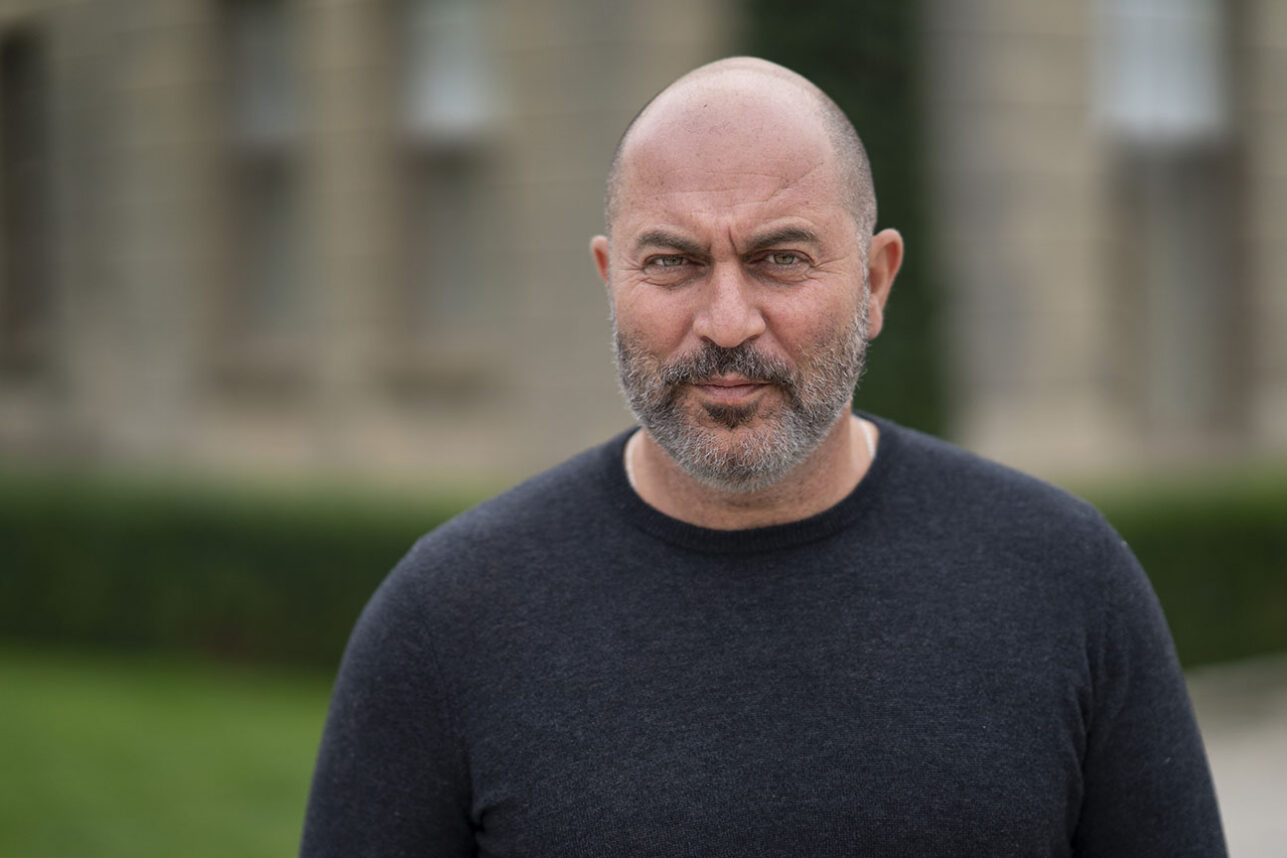
In many of the nations that believe Israel has no right to exist and routinely root for terrorists to slaughter Jews, a TV show that depicts Israeli covert operatives outsmarting and dispatching Arabs has an inexplicably loyal global audience.