In the first week of September, when Rabbi Noah Farkas dropped off his daughter at Columbia University, he did so knowing she was prepared to tackle whatever might come her way. After all, she was raised by parents who taught her to be confident, stand up for herself and know how to confront antisemitism.
She was also there as he worked on the special toolkit the Jewish Federation of Greater Los Angeles (JFEDLA) created for Jewish students heading back to college. The toolkit gives students practical information about how to navigate antisemitism on campus, explains their rights in plain language and provides direct links for reporting incidents, among other resources.
The CEO and President of JFEDLA knew his daughter had those tips and guidelines well memorized, so he gave her one last important piece of advice: “The purpose of being a student is not to be a warrior for the Jewish people. Your purpose is to grow as a human being, explore the city and write your own story, your own chapter.”
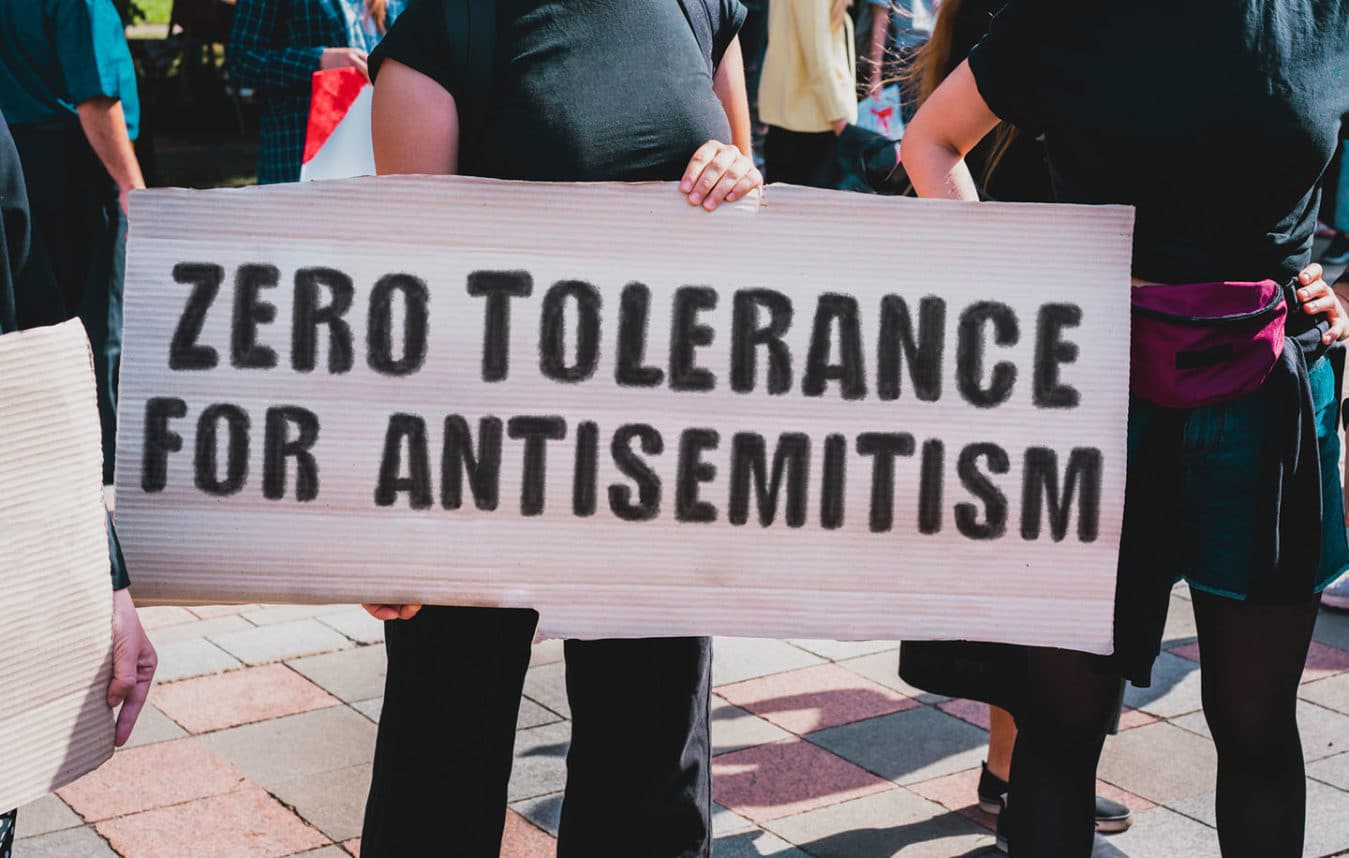
That’s how it should be really. Jewish students should go to school to explore, learn, meet new friends and exchange ideas. Unfortunately, after Oct. 7, 2023, Jewish students in campuses all around the United States had to deal with much more than how to score an A and leave a good impression on their fellow students.
And so the JFEDLA created a special toolkit to help Jewish students navigate campus life. First launched in 2024 and updated again this year, the guide offers practical resources and advice for navigating the current campus climate. Among its five key recommendations are building community, embracing Jewish joy, reporting incidents, understanding student protections and reaching out for help, including through the Blue Dove Foundation, a nonprofit that’s focused on mental health and addiction education, particularly within the Jewish community. The toolkit also includes resources such as a OneTable Shabbat guide designed to help students create community on campus, and Recustom – a platform designed to create, adapt and explore rituals from timeless Jewish traditions
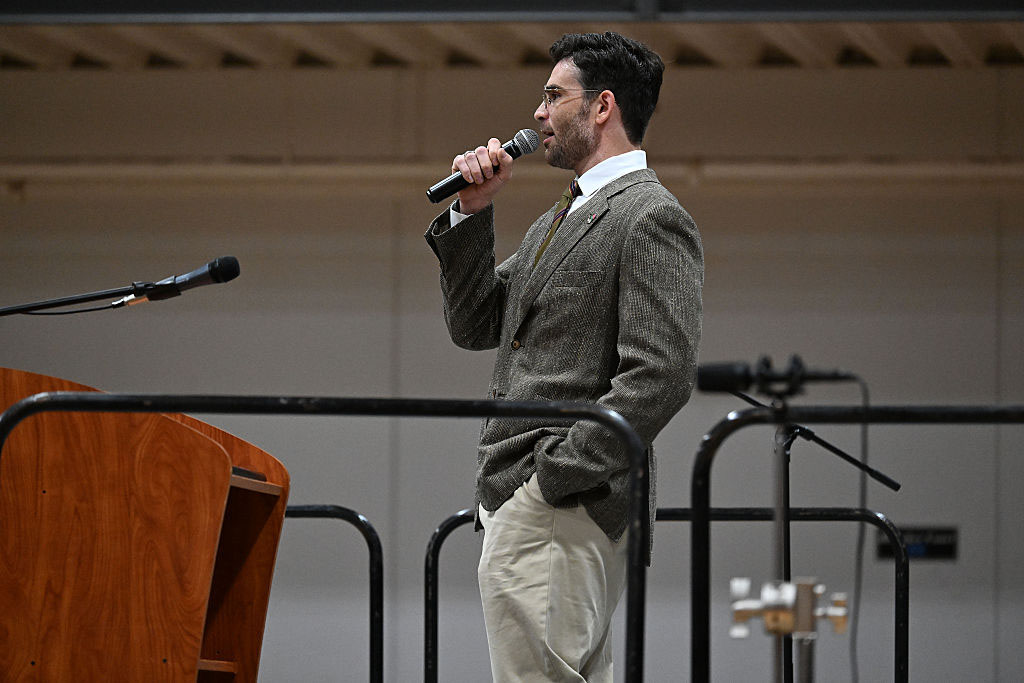
But for Farkas, the toolkit is about more than knowing what to do when something goes wrong. It is about making sure Jewish students know they are part of a larger community that will be there for them. “Once you join the covenant you are never alone. ‘All Israel arevim ze laze’,” he said quoting the famous Talmudic saying that means that all Jews are responsible for one another.
“We are one heart and one family. We know each other even though we don’t really know each other,” said Farkas. “I don’t know of any other international, multiethnic civilization that when one person is harmed, everyone else feels the responsibility to take care of that person, but it’s the way it is with the Jewish community. When there is a Russian Jew who can’t get out of Russia, the global Jewish community stops everything it’s doing to get him out.”
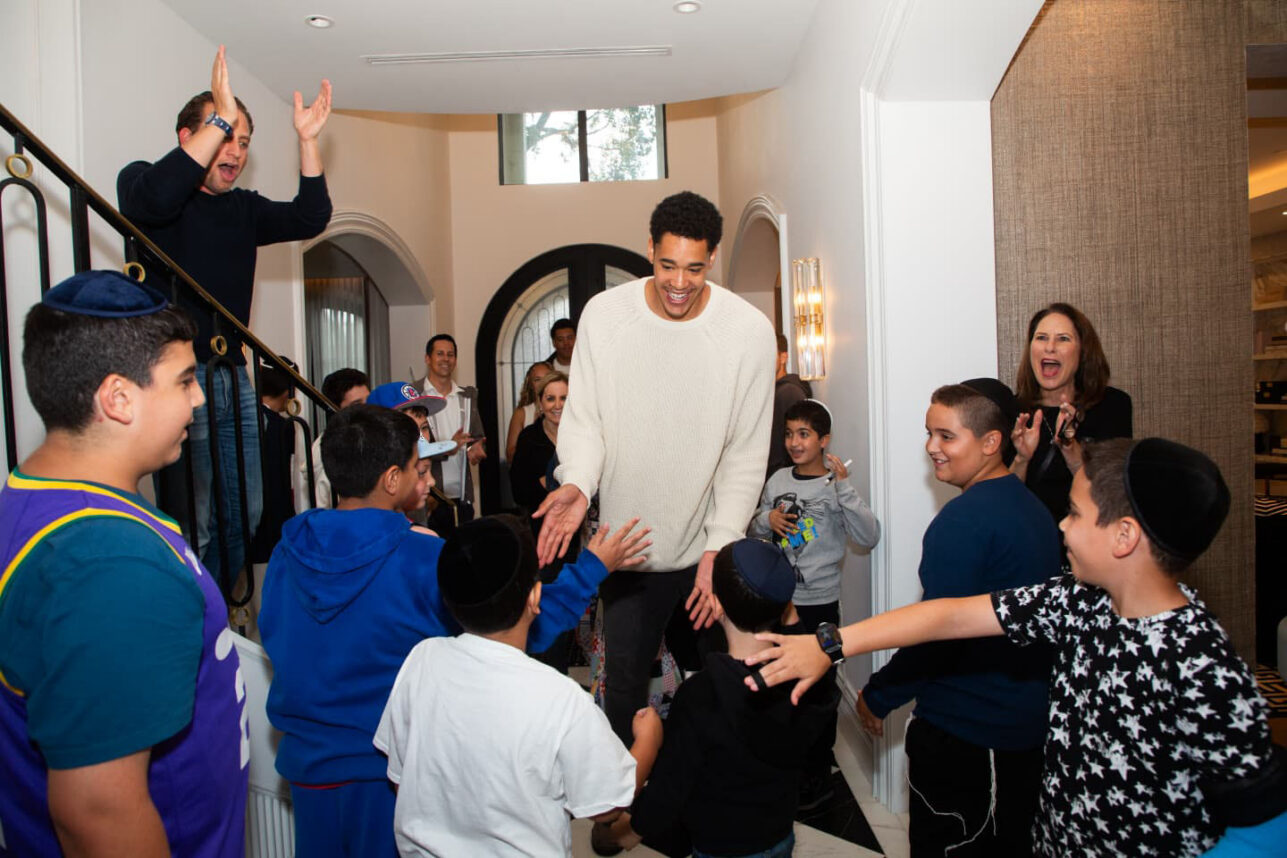
There is something positive that has come out of all the challenges Jewish students have faced on campuses during the past three years. The Jewish identity of so many Jewish students has never been as strong as it is today. You can see more Jewish students going to Hillel and Chabad on campus and engaging with other Jewish organizations. There are several reasons for that, including the need for community and, in the process, discovering the beauty of Jewish traditions.
But while they might feel more “Jewish,” there is also a heightened awareness of what it means to be visibly Jewish. Students, he said, are more conscious of whether they are wearing a Star of David or a kippah or a shirt with Hebrew letters. “If you have to think about what you are going to wear and how you present yourself, what language you’re going to use, and whether you have to code-switch,” said Farkas, “that is a symptom of feeling vulnerable.”
“Things are better and more stable, students aren’t afraid of being assaulted, but students are incredibly aware of their Jewish identity in a way they never had to be before. And so, to me, it’s the hallmark of being a vulnerable minority.”
The Federation also distributes printed copies of the toolkit through Hillels and synagogues, making sure that students have the information in hand before they head off to college. For parents, that can be reassuring as well: their children are not facing the challenges of campus life alone, and there are organizations, resources and people they can turn to if they need help.
“One of the things that we are very good at is we put the toolkit and let it live in the world a little bit, and then we convene students three to six months from now and ask, ‘Have you used it? Was it helpful?’” said Farkas. “We also need to update the language continuously because Gen Z language is not the same one as a millennial language. I showed it to my daughter and she was like, ‘Aba, this is really lame.’ So, okay, I’m going back to the design team.”
For Farkas, the ultimate goal is to give Jewish students the freedom to enjoy their college years — to learn, explore, make friends and discover who they are without living in fear and doubt. The toolkit is there simply as an added resource, to make sure that if they ever need help, advice or a tip, it’s there for them, available and ready to use.