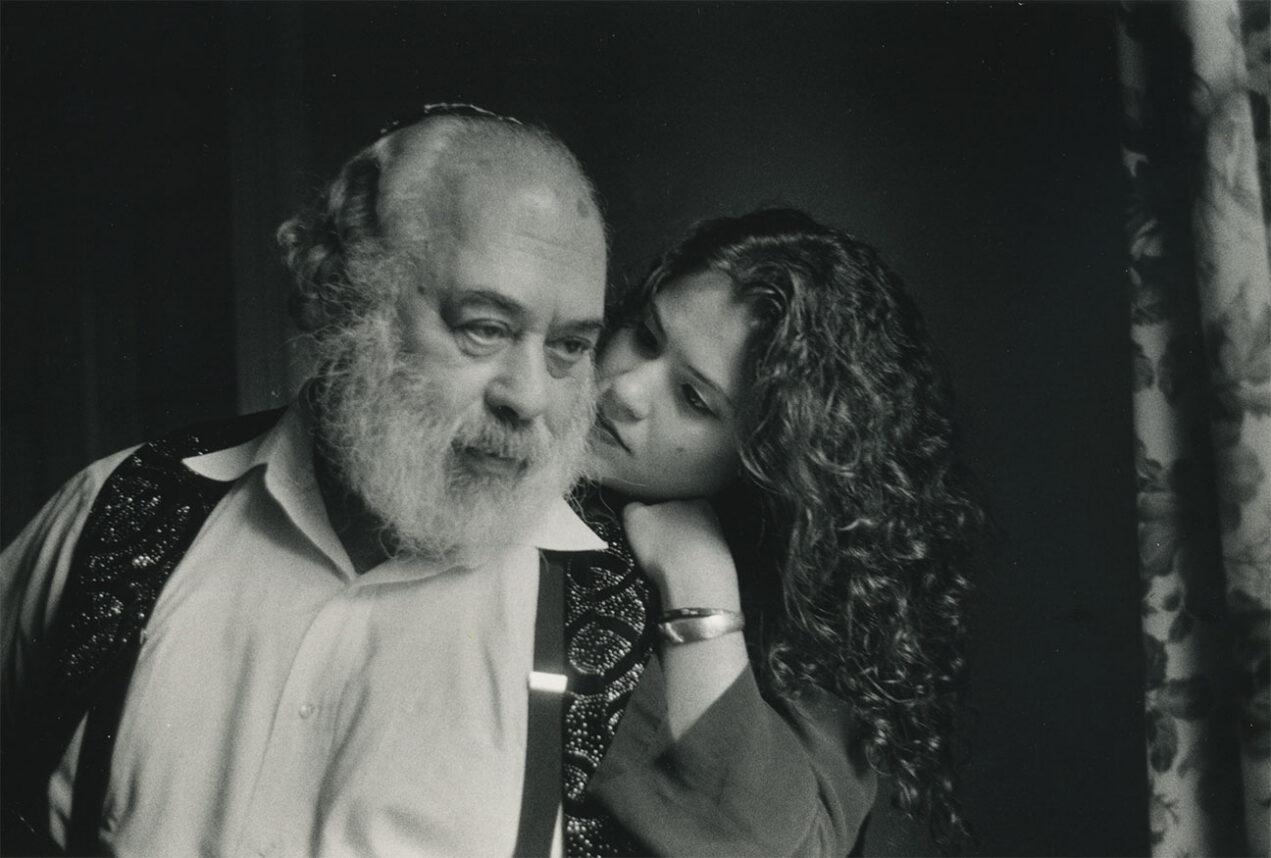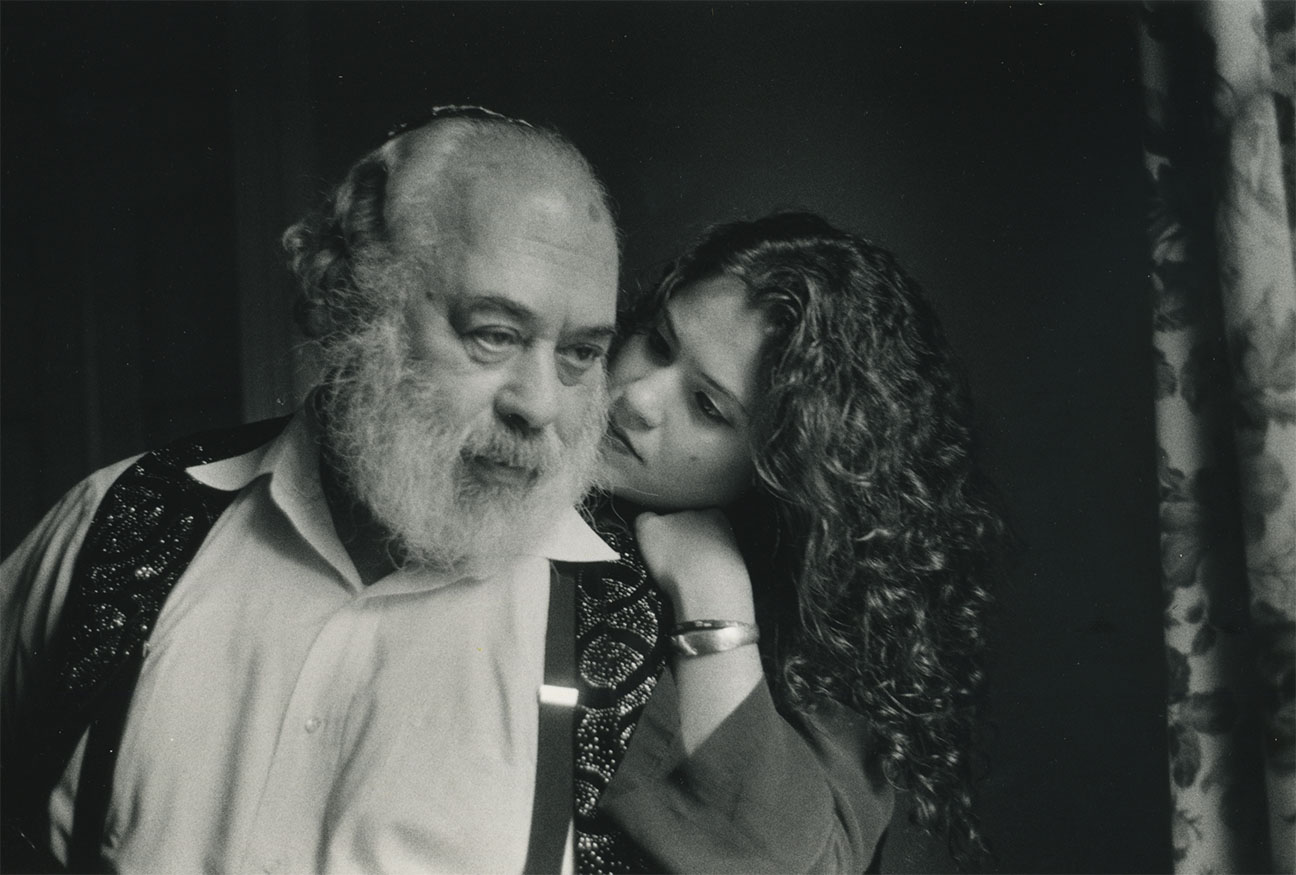
“To me My dad was just so famous. Everywhere we went, there were just throngs of people. He was larger than life, we were best friends,” tells Neshama Carlebach of her dad, rabbi Shalomo Carlebach, in the new documentary, The Darkest Light. Then she continues, “I thought I knew him but now as I look back, I realize I didn’t know him at all. What do you do when there’s someone that you really love and then you find out they did something, or some things, that were really terrible? What do you do with that?”
For Carlebach’s devoted followers, the film, directed by Simon Mendes, may come as a shock. But the allegations against the beloved singing rabbi are not new. In 1998, Lilith, an American Jewish feminist magazine, published an extensive investigation into what it described as Carlebach’s “shadow side,” reporting allegations of sexual harassment, unwanted sexual advances and sexual abuse. The article included accounts from women who said they were 12 and 14 when the alleged incidents occurred, as well as adult women who described sexually charged late-night phone calls, unwanted attention and sexual advance.
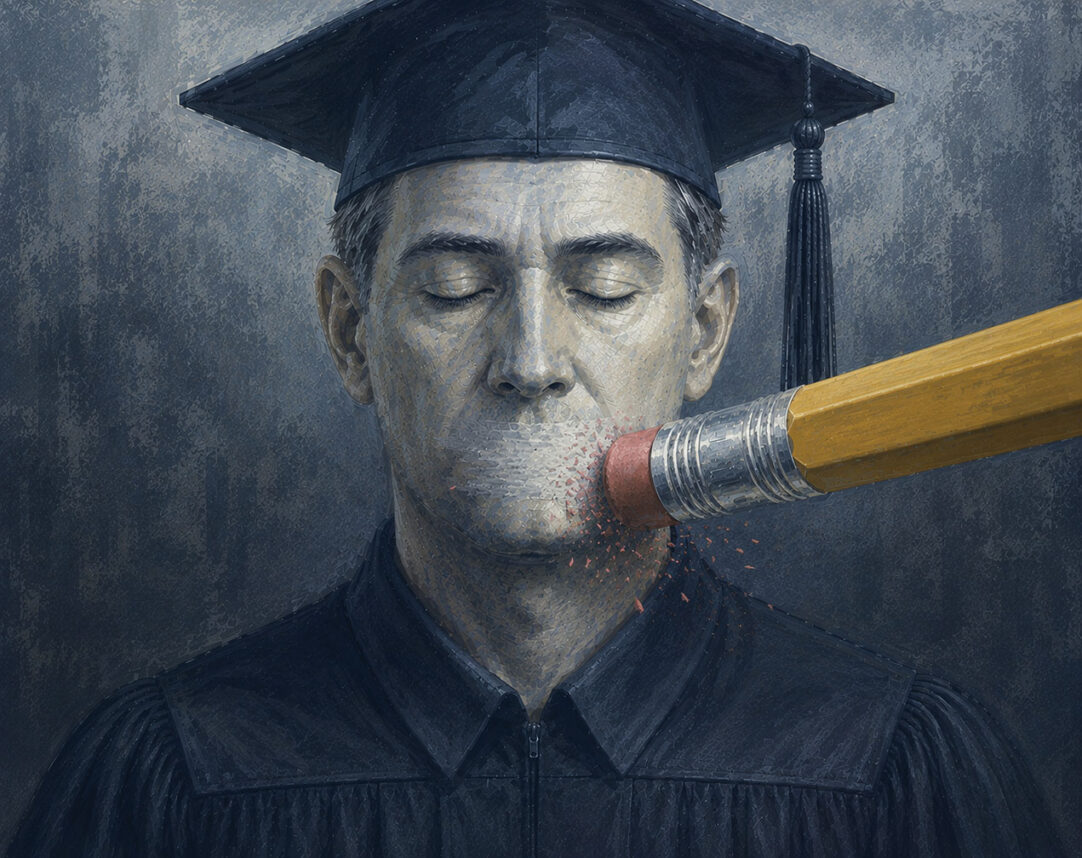
Yet a documentary is another thing. The Darkest Light brings the allegations and the complicated legacy of Carlebach back into public view, forcing those who grew up loving his music and teachings to confront a question that Neshama herself is now asking: How do you reconcile the person you loved with the possibility that he caused profound harm to others?
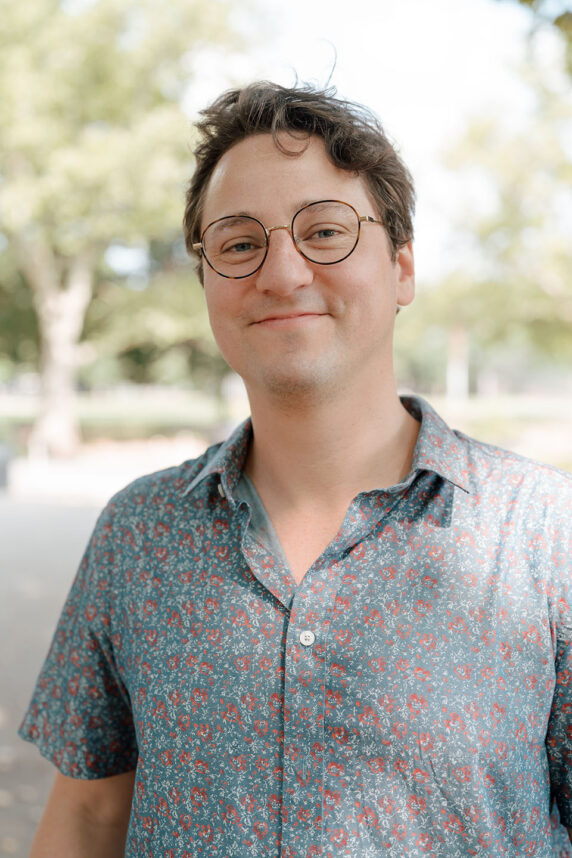
Mendes developed the film while serving as a filmmaker-in-residence at the Jewish Film Institute in 2022. In the film, several women tell their stories of meeting Carlebach, a man they admired and looked up to, and how devastated they were when he allegedly made sexual advances toward them.
This was not just any man. Carlebach was a rabbi who supported women’s rights and encouraged women to sing publicly, something that was frowned upon in much of the Orthodox community at the time. Neshama began singing in synagogue after he invited her to perform with him.
It took Neshama some time to acknowledge the women who made allegations against her father. She struggled to reconcile their accounts with the loving father she knew. That changed after the #MeToo movement gained momentum. In January 2018, she published a blog in The Times of Israel titled “My Sisters, I Hear You,” in which she expressed solidarity with women who had come forward with allegations of sexual assault.
Her decision to speak out came at a professional cost. Some synagogues and Jewish communities that revered her father were angry with Neshama for publicly acknowledging the allegations against him, and invitations for her to perform began to dry up. By speaking out, Neshama found herself facing the anger of some of the very communities that had embraced her for years.
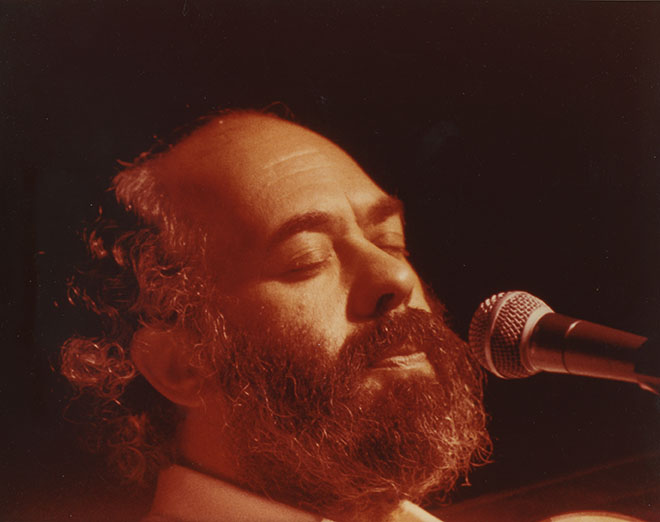
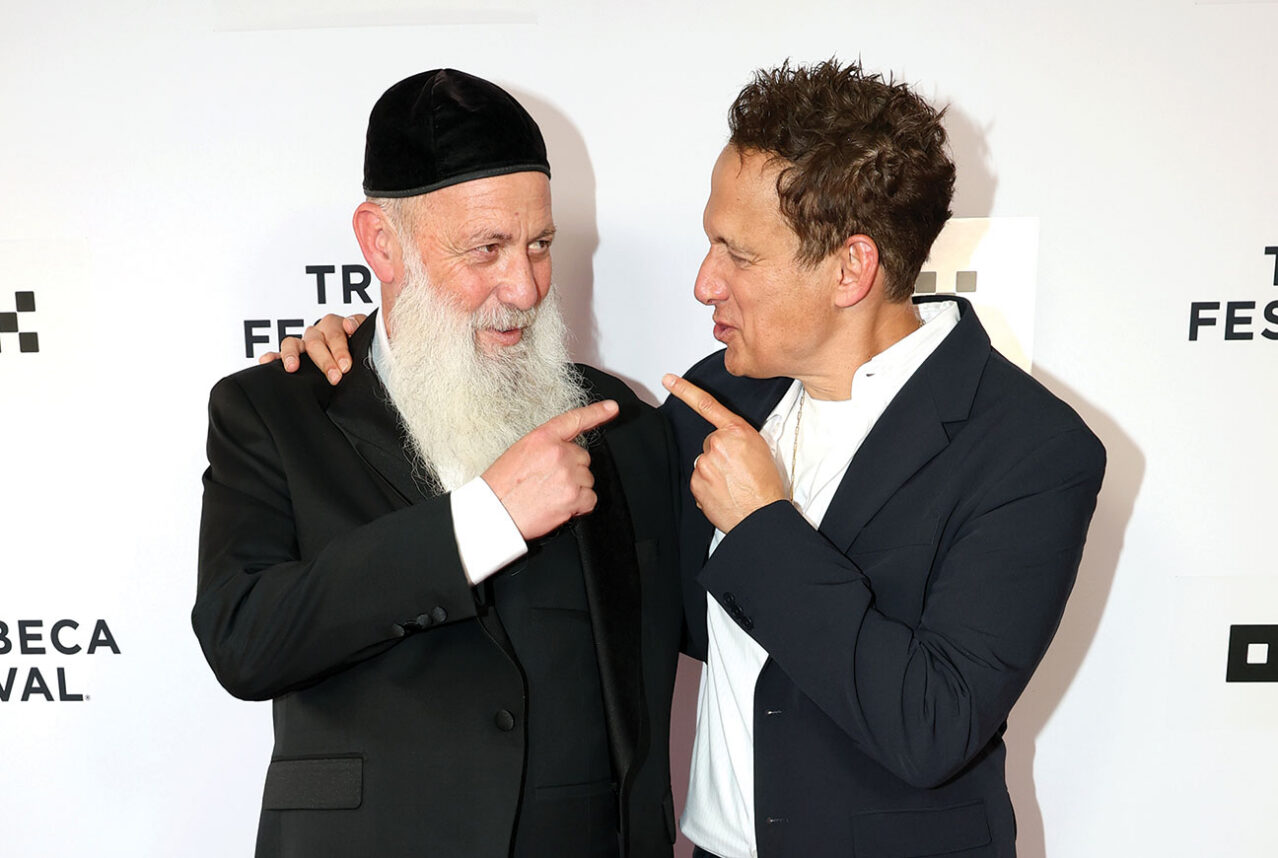
Mendes first approached Neshama after reading her blog and listening to interviews in which she spoke about her father and his legacy. In an interview with the Journal from his home in New York, he said he was struck by the two realities of Shlomo Carlebach: the beloved teacher and extraordinary musician, and the man accused by women of sexual abuse.
“I called Neshama and I got the sense that it was very important for her to try to acknowledge both realities of her dad at once,” said Mendes.
For Mendes, Neshama’s willingness to confront both sides of her father’s legacy became the starting point for a film about the difficult process of reconciling love and admiration with allegations of profound harm.
Mendes said Neshama has lost much of the community she grew up with, particularly among those who believe she “threw her father under the bus.”
Despite this, she agreed to participate in the film, a decision Mendes described as “courageous.”
He believes Neshama’s decision to publicly acknowledge the women’s accounts has changed the conversation, even among some who remain skeptical of the allegations.
“By her putting herself out there and stating that she believes the women, it adds a certain legitimacy to it,” he said. “I’ve seen people, even those in the denial camp, when it’s revealed that Neshama talks about this too, it kind of changes the conversation.”
Mendes has gotten his share of pushbacks and criticism for making the film.
“People say, ‘Why bring this up? This is just pure lashon hara. He’s not alive to defend himself. There’s no evidence. You’re going to ruin Shlomo for all the followers and younger generation. What’s the point? What’s this going to accomplish?’”
Some critics also argue that Carlebach did far more good than harm and that bringing these stories to light only fuels further antisemitism.
Mendes sees the backlash as part of a pattern that has resurfaced at different points over the years — during Carlebach’s lifetime, after the Lilith investigation, during the #MeToo movement and now with the release of his film, which premiered at the San Francisco Jewish Film Festival on July 19. Each time, he says, the same fundamental question returns: What should a community do with the legacy of a man whose music and teachings brought so much light to people’s lives while women were coming forward with deeply troubling allegations about his behavior?
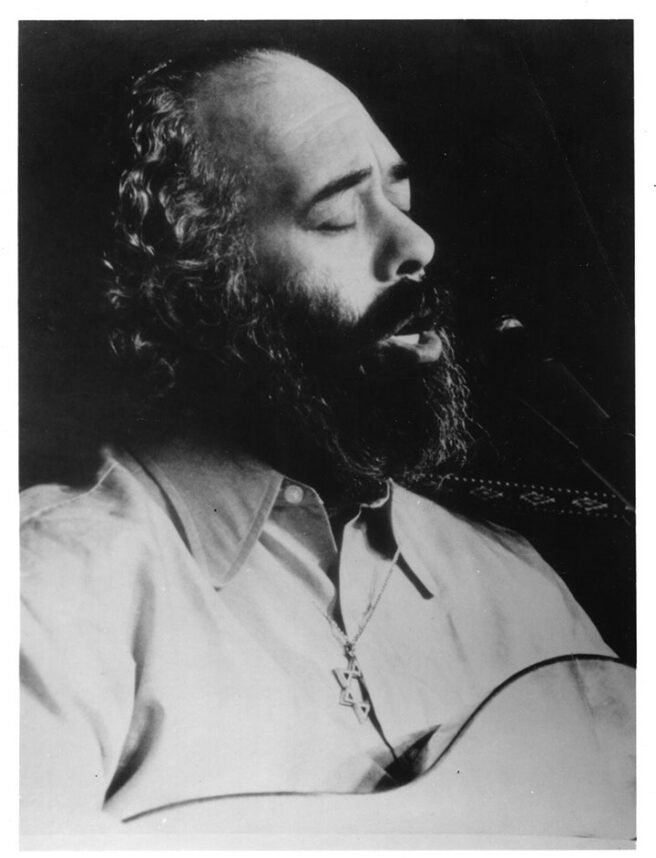
To understand why Carlebach’s legacy is so complicated, it is important to understand just how influential he was. Born in Berlin in 1925, Carlebach came to the United States with his father in 1939, as the Nazi threat was engulfing Europe. He went on to become one of the most influential figures in modern Jewish music and became known as “The Singing Rabbi.”
In the late 1950s, Carlebach began composing melodies, mostly setting verses from the Bible and Jewish prayer to his own music. He eventually wrote thousands of melodies. His soulful, Hasidic-influenced songs crossed religious and denominational boundaries and became staples in synagogues, prayer groups and Jewish communities around the world.
Carlebach performed extensively across the United States and in Israel, building a devoted following with his guitar, his music and his charismatic performances. Songs such as Am Yisrael Chai, Esa Einaiand Od Yishama became part of the broader Jewish musical repertoire.
His influence is perhaps most evident in the fact that his melodies have become so deeply embedded in Jewish prayer that they are often sung by people who may not even realize they are singing a Carlebach composition. His music continues to be performed across denominations and in synagogues around the world, decades after his death in 1994.
Can the music be separated from the man? For Mendes, the answer is yes. He can still listen to and enjoy his music, much like one of the alleged victims featured in the film.
“I really love Shlomo’s music,” he said. “To this day, it’s the music that makes me feel kind of most Jewish. I love to sing his melodies.”
At the same time, Mendes believes enjoying the music does not mean ignoring the darker side of Carlebach’s legacy.
“I think we have to make space to talk about his abuses,” he said. “I can separate it and I feel that I can still sing his music, but it has to be done thoughtfully.”
Mendes, who grew up Modern Orthodox on Manhattan’s Upper West Side, hopes the film will encourage people to have difficult conversations rather than shy away from them.
“You may love a rabbi who did many things for your spiritual growth, but if there’s another side that needs to be talked about, we can’t just cover that up. We have to be willing to hold people accountable for the harm they caused.”