I’ve always had a low threshold for pain. Whenever I bump into a wall or get a little cut, I act as if I’ve been run over by a semi.
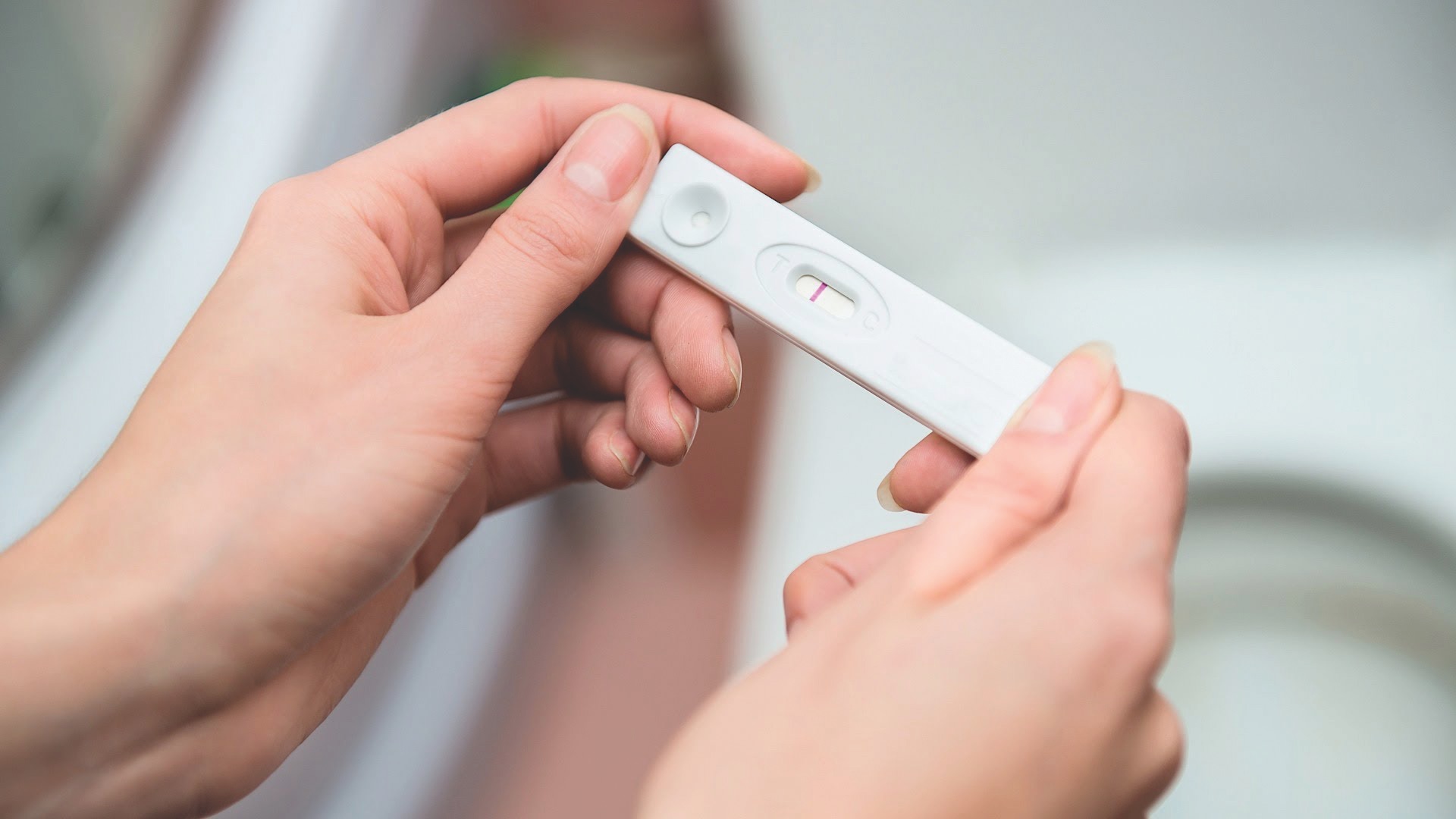
When I found out I was pregnant with my first child last February, I cried tears of joy for an hour. I couldn’t wait to meet our baby.
I started to think about names, whether we’d want to know the gender before the birth, classes at My Gym I was going to enroll him or her in … and then the worry kicked in: How was I going to withstand the pain of giving birth?
When I told people I was pregnant, women I know as well as strangers started to tell me their horrifying childbirth stories. I heard about epidurals gone wrong, how difficult it was to recover from an emergency C-section, how long labor took, and the incompetence of the hospital staff.
My very smart doula, Yulia Edelshtain, gave me some great advice: “If anyone starts going into their story, just tell them you don’t want to hear it.”
She also said that even if the delivery was painful, it would be worth it. It wasn’t like some pain that you suffer for seemingly no reason. This pain was going to result in a beautiful life coming into the world.
Aside from Edelshtain’s insight, what also helped, was my faith. I had gotten through many rough situations before and come out on the other side stronger and happier. Why would labor be any different?
Before I became religious, I used to be anxious about everything. I would obsess over future events and think about all the horrible things that could happen to me. It was my odd way of taking control of a situation, I suppose.
I had gotten through many rough situations before and come out on the other side stronger and happier. Why would labor be any different?
As I strengthened my faith in HaShem, I started to live by the phrase, “Tracht gut, vet zein gut,” or “Think good, and it will be good.” Why worry when everything else in my life was so amazing? Hadn’t HaShem proven to me over and over that there was no need to stress?
While pregnant, to reassure myself, I read Rabbi David Ashear’s “Living
Emunah,” stories of people putting their complete trust in HaShem, and miracles occurring as a result. I trusted that HaShem would give me only pain I could handle and ensure everything would turn out
all right.
When my water broke, the pain wasn’t that bad. I labored for eight hours at home and then four in the hospital. Although I wanted to forgo an epidural, when I was dilated 6 centimeters, I couldn’t bear it anymore. When the staff was administering the epidural, I endured the worst pain of my life. I couldn’t move to distract myself from it, either. I could only sit still, squeeze my nurse’s hands, pray and cry.
But I got through it. After the numbness set in, I took a lovely three-hour nap, woke up, and joked around with my husband. When it was time to push, I used all my strength. It didn’t hurt at all — thank you, modern medicine.
Then came our gorgeous baby girl, who immediately fell asleep on my chest. I ate an entire box of Reese’s Pieces to celebrate and thought, “This wasn’t so bad. I could do it again.”
I feel accomplished not only because I gave birth, but also because I did it with very little anxiety. I’m now carrying that same mindset about parenting because I’m experiencing how stress-inducing it can be (if I let it).
I know that no matter what happens, HaShem is here for me throughout this wonderful new experience. And I’m certain that everything, as always, will be good.
Kylie Ora Lobell is a Journal contributing writer.