fbpx

Rosner’s Torah-Talk: Parashat Mattot-Massei with Rabbi Dan Horwitz

[additional-authors]
August 5, 2016

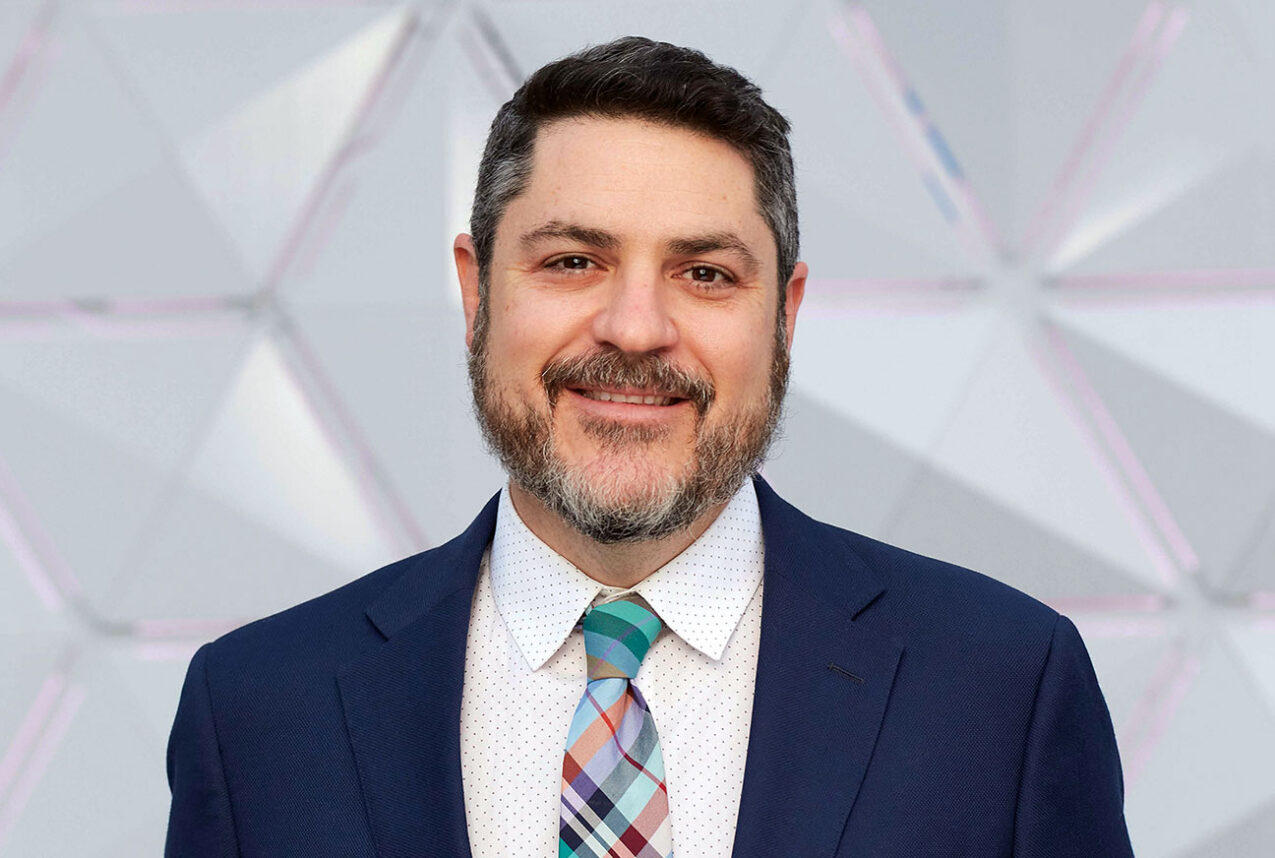
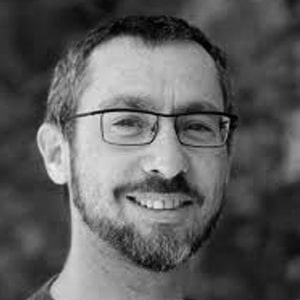
Our guest this week is Rabbi Dan Horwitz, the founding director and rabbi of The Well, an inclusive Jewish community-building, education and spirituality outreach initiative in metro Detroit geared to the needs of young adults and those who haven’t connected with traditional institutions. Committed to lifelong learning, Dan holds a BA, 3 MAs, and a JD in addition to rabbinic ordination. Selected by The Forward as one of “America's Most Inspiring Rabbis,” Dan is an avid basketball player, violinist and Detroit sports enthusiast, and is a member of OHALAH: The Association of Rabbis for Jewish Renewal and the State Bar of Michigan. Dan makes his home in suburban Detroit with his wife Miriam and their son Jonah.

This Week's Torah portion – Parashat Matot-Masei (Numbers 30:2-36:13) – begins with Moses presenting the heads of the tribes with rules concerning the annulment of vows. War is waged against Midian and the Torah lists the different spoils Israel took hold of in their victory and describes how they are distributed. The tribes of Gad, Reuben and half of Menashe ask Moses for the territory East of the Jordan as their portion of the promised land, and Moses eventually agrees on the condition that they first help conquering the west part West of the Jordan. The boundaries of the Promised Land are stated, and cities of refuge are designated as havens for people who commit inadvertent murder. The portion ends with the story of the daughters of Tzelafchad marrying men of their own tribe (Menashe) in order to keep the estate which they inherited from their father within their own tribe. Our conversation focuses on the two and a half tribes' request for land and on what this episode could teach us about conflict resolution.

Our past discussions of Parashat Mattot-Massei:

Rabbi Uri Regev on the Torah’s attitude toward the difference between vows made by men and women

Rabbi Steven Lindeman on the need to balance between our feelings about Israel's right to particular sections of the land and the well-being of our children

Rabbi Jonathan Roos on the decision by the two and a half tribes to stay across the Jordan and the lessons about priorities included therein.


Did you enjoy this article?
You'll love our roundtable.

Editor's Picks

Latest Articles

The Beat Goes On

While so much of the world seems obsessed with and consumed by its hatred of Israel and Jews, Israelis continue to build, create, work, celebrate, argue, raise families, and plan for the future.

Viral AI Video Targets Jewish Comedian

“The biggest concern is that people now have a pathway to shut down Jewish voices through complete falsities that people will believe. … For the future of Jewish entertainment, it’s very scary.”

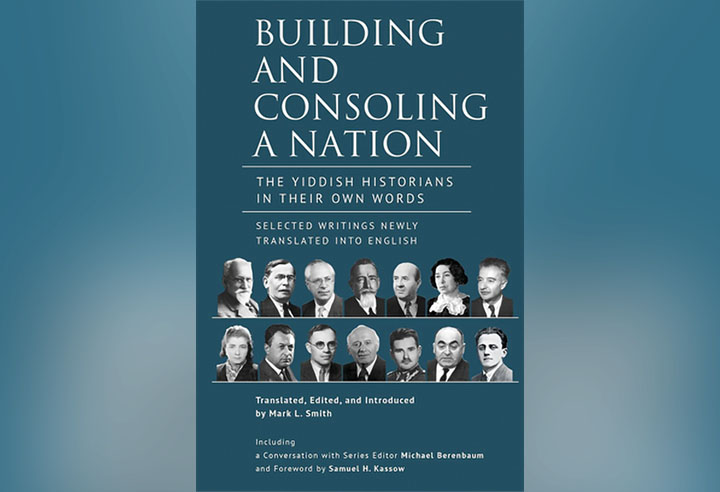
Yiddish Historians: Writing in Their Own Language for Their Own People

Mark Smith has compiled an important anthology of Jewish history using 49 works by Yiddish historians to recreate or at least open the door to a world of Jewish thought that was once almost mainstream, but which no longer exists, except in the minds of too few specialists.

The Everlasting Melody

Most Jews who have sung “Eitz Chaim” over the past half-century probably never knew Portnoy. They did not know when he wrote the melody or how young he was when he composed it. They simply knew the song.

Who’s Really the Victim?

Those who would revel in Israel’s demise are claiming victimhood on every front and denying attacks on us in the same breath.

Biblical Deterrence

After Oct. 7, the sentiment in Israel toward the Iranian leadership was unequivocal: You went medieval — so we will go biblical.

How Sukkot Makes Us Whole

This year, I bless us that we open our eyes to truly see the beauty and the holiness of the world, and of the person before us at each and every moment, and to see the godliness of their aspirations and their fears.

The New Ushpizot

Ushpizin invite us to “welcome in our ancestral constellation and dwell amongst them.” This year, it’s Ushpizot, for the women. It’s the year of the Feminist Visitation.

Macklemore, Or Less

In between his songs, he proclaimed, “Free Palestine,” which is fine, asserted that opposing Israeli military actions is not antisemitic, which is accurate, and accused Israel of apartheid and genocide, which is offensive, untrue and hateful.

The Rokeach’s Remarkable Sukkah

To Rabbi Eleazar ben Judah of Worms (1176-1238), the medieval German pietist known as the Rokeach, the sukkah symbolized Jewish military might.

The Sukkah and the Power of Endurance

They can destroy our Temples, demonize us in social media, shower us with hate, but they can’t destroy a spirit that never stops building. That enduring spirit is the power of the sukkah.

NY Mag’s Habibi City

A satirical response to Zaina Arafat’s erasure of Jews in her New York Magazine article “Habibi City,” written as Zaina Arafat.

The ‘Fauda’ Enigma

In many of the nations that believe Israel has no right to exist and routinely root for terrorists to slaughter Jews, a TV show that depicts Israeli covert operatives outsmarting and dispatching Arabs has an inexplicably loyal global audience.

More news and opinions than at a Shabbat dinner, right in your inbox.