fbpx

Rosner’s Torah Talk: Parashat Tazria-Metzora with Rabbi Jonathan Aaron

[additional-authors]
April 28, 2017
Rabbi Jonathan Aaron

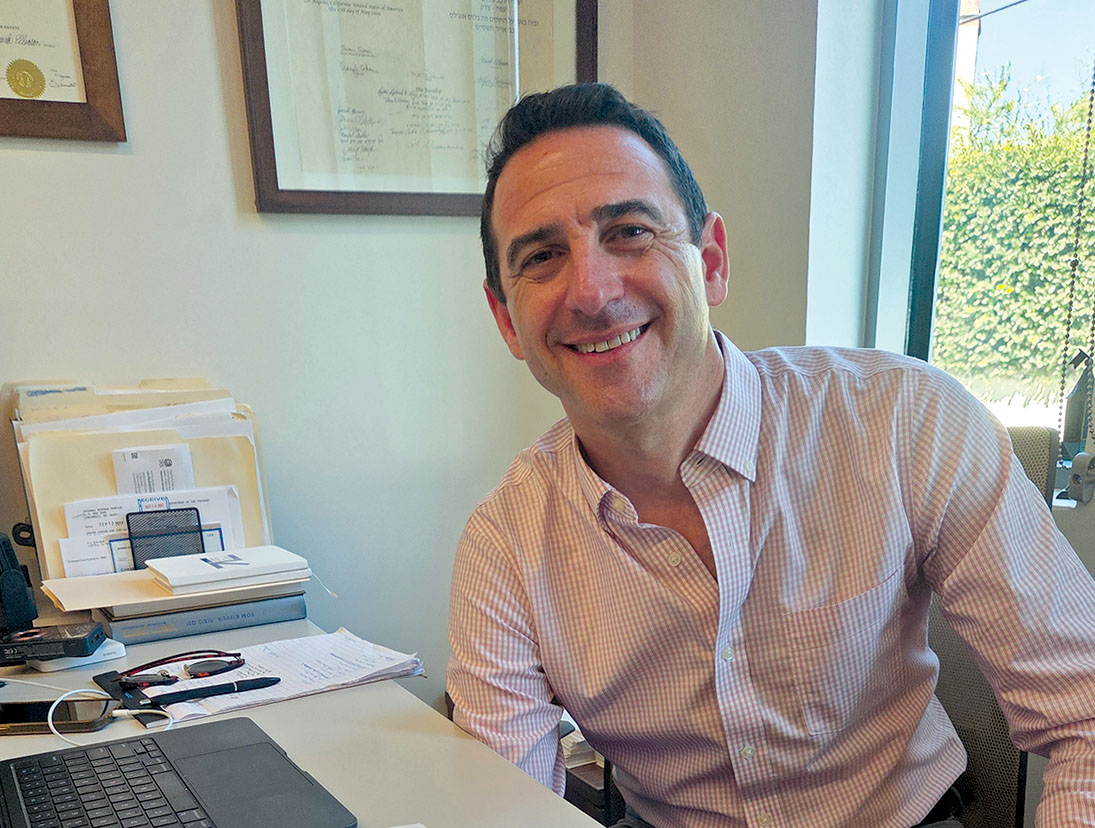
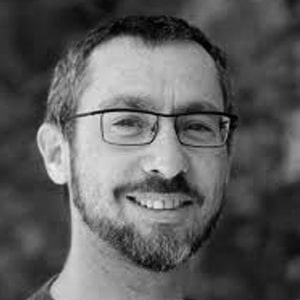
Our guest this week is Rabbi Jonathan Aaron, Senior Rabbi at Temple Emanuel of Beverly Hills. Rabbi Aaron received his Bachelor of Fine Arts in Theater from Emerson College in 1983. He later attended Hebrew Union College, where he received a Master’s Degree in Jewish Education in 1993, and a Master’s Degree in Hebrew Letters in 1994, and was ordained as a Rabbi in 1996. Since ordination, Rabbi Aaron has served Temple Emanuel of Beverly Hills in several roles; first as an Assistant, then Associate Rabbi, and now as Co-Senior Rabbi. He has also been Director of Education, and served as the Head of Temple Emanuel Academy Day School for almost a decade. Rabbi Aaron serves as a sworn-in Police Chaplain in the Beverly Hills Police Department, and is on the Board of Directors at The Maple Counseling Center in Beverly Hills. He also has been a visiting professor at Hebrew Union College — Jewish Institute of Religion, where he has taught speech to second-year rabbinical students for more than 10 years.

This week’s double parashah – Parashat Tazria-Metzora (Leviticus 12:1-15:33) – features rules concerning the purity and impurity of women and the horrible disease of leprosy. Our discussion focuses on the priests’ curious attitude toward people inflicted with skin disease.

https://youtu.be/NoLj6opdp9Q

Did you enjoy this article?
You'll love our roundtable.

Editor's Picks

Latest Articles

Bringing Israeli Doctors Back

ScienceAbroad works with two groups in medicine: physicians who leave Israel for fellowships and Israeli students who attend medical school in Europe.

The Antizionist’s Dilemma

It’s not easy being an antizionist these days. Especially if you’re determined to live in accordance with your most important moral imperative: the denigration of the world’s only Jewish state.

How the Supreme Court Adapted Parshat Shoftim

The Torah offers a better model than avenging and avoiding. It offers a safe opportunity for parties to meet and peacefully explain their perspectives, which might have been misunderstood. They can offer apologies and, where necessary, make amends for harms caused.

Can One Be a Non-Observant Orthodox Jew?

The tradition has always been bigger than any one person’s grip on it. What draws me is simple: I think these texts are a good part of why we are still here as a people. I want to know them and, in my own way, embrace them. Orthodox is where I turn.

Lies, Damned Lies and the Right Side of History

One question alone matters these days: Does this fact strengthen my tribe, or is it bad for it? If bad, it must be suppressed, denied, explained away. The higher truth is the narrative that serves the cause, the quest of the righteous and true.

Life Lessons in Old Age

Hardship and joy are present at every step. There is no time when it will be all good, so focus on the good and carry on. There are always moments to savor and appreciate.

More news and opinions than at a Shabbat dinner, right in your inbox.