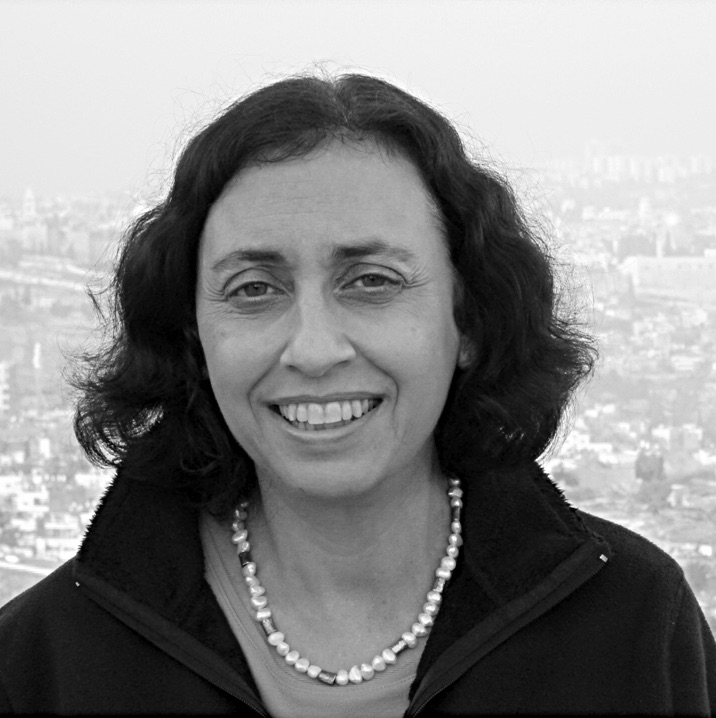
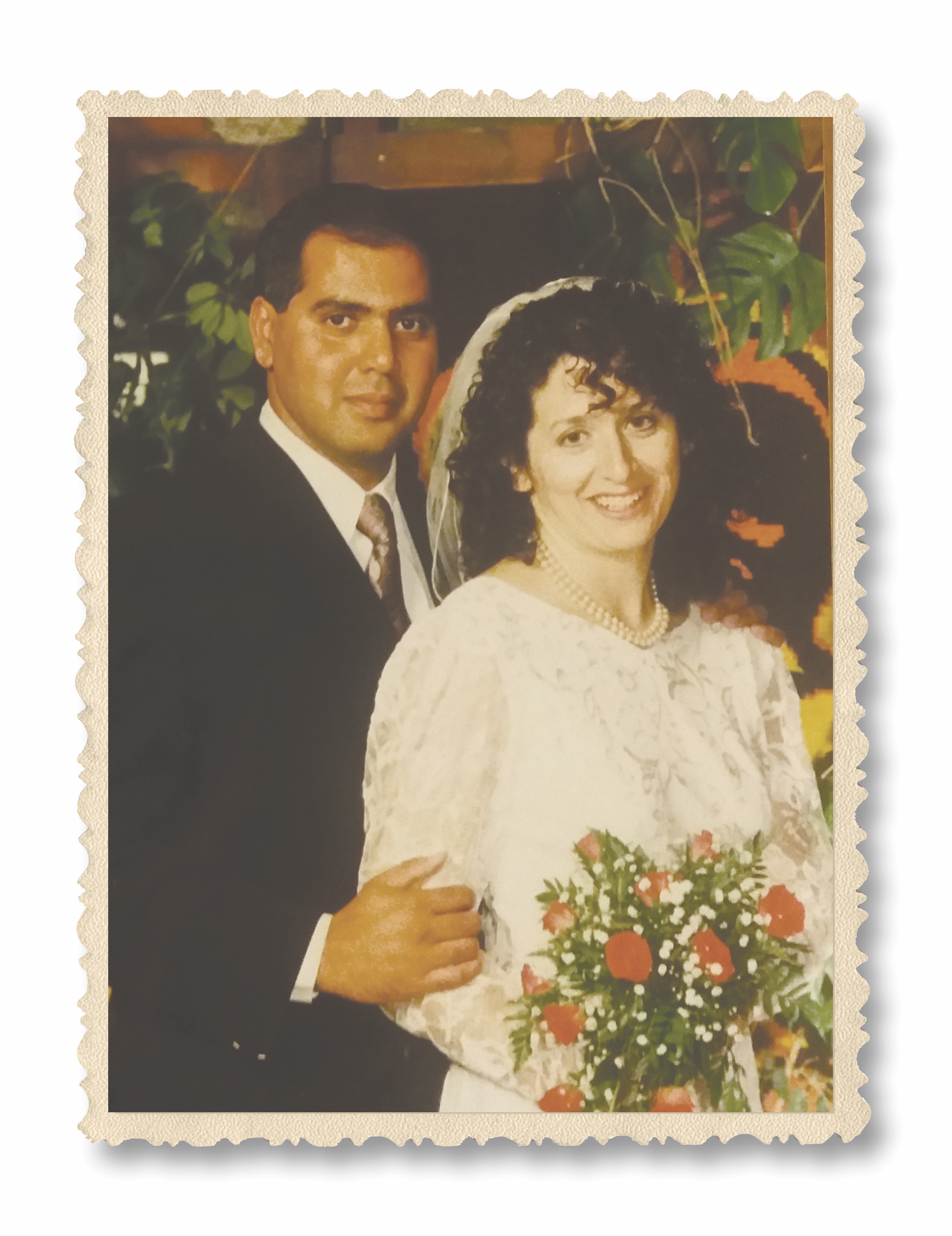
When Debbie Miller and her then-boyfriend, Ofer Valkurlker, decided to marry, they knew their wedding would be a fusion of East and West. Miller is American-born and Ashkenzi while Valkurlker, who is a member of the Bnei Menashe community, was born in India.
Although the couple anticipated that cultural differences would influence their wedding plans, Miller was caught totally off-guard when her fiance, whose community claims descent from one of the Ten Lost Tribes of Israel, insisted that every wedding invitation to his side of the family be delivered in person.
“We couldn’t just put them in the mail. It required traveling all over the country,” Miller said of her husband’s tradition. “It was a process, but on the positive side, I got to know all of Ofer’s relatives by the time of the wedding.”
While surprises can spring up during the planning of any wedding, experts say, couples from vastly different backgrounds — even within the Jewish community — may need to work harder to highlight the best of their respective cultures while preventing disagreements.
“I think that any time two families aren’t on the same page, it can be stressful,” said Israeli event planner Judy Krasna, founder of the company Celebrate Israel. “It can be the first marriage for one spouse, the third for the other, for example, and the expectations will vary.”
Krasna said that expectations often differ in Sephardic-Ashkenazi weddings, which might be the most common type of “mixed” unions among Jews. The gulf may be even wider if the bride or groom is from a Western country and his or her partner is a native Israeli.
The wedding planner recalled how the parents of an American Ashkenazi bride expected the groom’s family to pay for half of the wedding “even though the concept among many Israeli Sephardim is that the gifts will pay for the wedding.” The Sephardic family ultimately agreed to take out a loan.
How many people to invite to a wedding is another potential source of contention. With the exception of large Ashkenazi Charedi families, Sephardic families “are usually larger than Ashkenazi families, and this means the extended family is also larger,” Krasna noted.
In her experience, many Israeli Sephardic families like to extend invitations to people in their community — “whether it be the guy who cuts your hair or the grocery store owner.”
In contrast, Israeli Ashkenazim, especially if they are Orthodox and of limited means, often invite mesamchem — usually friends of the bride and groom or close acquaintances — to take part in the festivities but not a sit-down meal. They are, however, served refreshments, Krasna said.
Couples from vastly different backgrounds — even within the Jewish community — may need to work harder to highlight the best of their respective cultures while preventing disagreements.
Event planner Nikki Fenton said Ashkenazi families, especially if they live in a Western country, are invariably amazed by the laid-back attitude that Israeli families — especially Sephardic ones — have toward the guest list.
“Israelis don’t know what a reply card is, and while the Ashkenazi side will have the place settings done a month before the wedding, the Sephardic side may not know exactly who’s coming. They’ll say, ‘Bring your brother, your sister. If more people come we’ll bring in more chairs.’ They tend to be more relaxed about such things,” Fenton said.
Because Israelis and Sephardim tend to have a much more liberal attitude toward time than Westerners and Ashkenazim, Krasna occasionally advises mixed couples to send out two sets of invitations.
“Ashkenazi guests, who tend to be more punctual, are told the wedding will be at 7, while invitations for the other guests say starting time is at 6 so they’ll arrive by 7,” she said.
Sephardic families may not be familiar with the Ashkenazi custom of circling the bride under the chuppah. In fact, some Sephardim do not use a chuppah at all, preferring instead to wrap the bride and groom in a prayer shawl. Ashkenazim have the aufruf before the wedding, Sephardim afterward.
Toby Klein Greenwald, an Ashkenazi journalist and educator, recalled how she learned that many Sephardim do not use a yichud room — a room where the newlyweds spend some time alone together right after the chuppah.
A few weeks before one of her six children married a Sephardic young man, Greenwald and her husband met with the secular organizer of the kosher kibbutz wedding hall where the ceremony would take place.
“He was very accommodating and wanted to do everything by the book from a religious perspective. We said we need a yichud room and he said, ‘No problem.’ ”
A few weeks later, the Greenwalds went to the kibbutz again, this time accompanied by their future in-laws.
“At one point I mentioned the meal in the yichud room and my future in-laws said, ‘We don’t need one.’ The secular kibbutznik started arguing with them! How, he wanted to know, could religious people not have the same customs?”
As with any wedding, the key to a stress-free cross-cultural wedding is communication, those involved say. Fenton encouraged mixed couples to strive for a balance that highlights the beauty of both cultures — and to have fun.
To help acclimate a client’s Ashkenazi family to the richness of Sephardic traditions, Fenton brought some beautifully adorned belly-dancing skirts to a pre-wedding henna party.
“Give an Ashkenazi lady a skirt and some Middle Eastern music and it’s like she’s from Morocco,” Fenton said. “It’s all about balance and inclusiveness.”
Greenwald said a positive attitude is one key to success. Her advice: “Don’t sweat the small stuff. Think about what’s really important. Compromise with a smile and maintain mutual respect.
Rather than looking at cultural differences as something to overcome, Greenwald called her children’s cross-cultural weddings “amazing events.”
“To me, it was the concretization of the ingathering of the exiles,” she said. “I see it as an incredible blessing.”