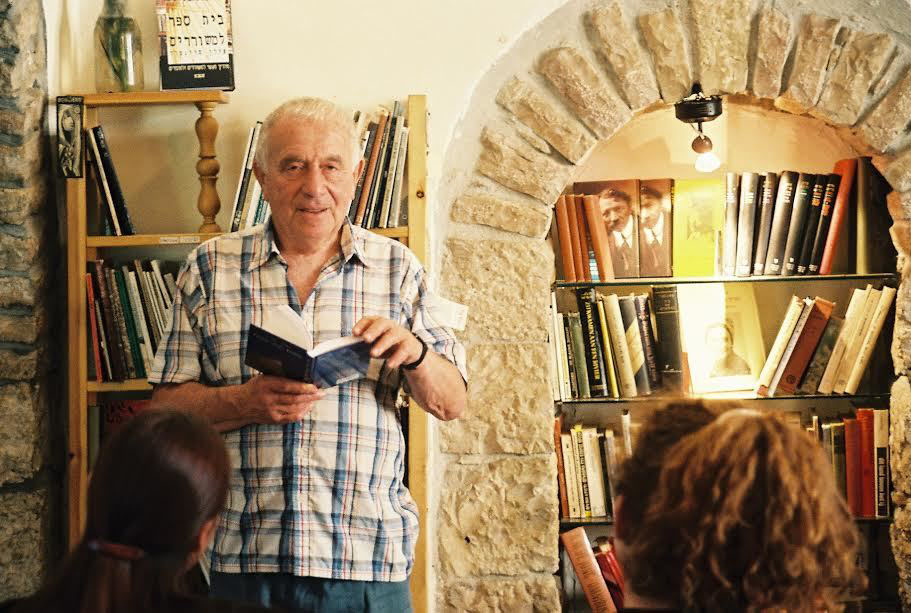
Although Yehuda Amichai was born on May
the third in 1924, in Germany,
exactly fourteen years before the day
that I was born there, our two termini
will probably be less similar. The date
on which I’ll I reach, my fatal terminus,
unlikely to share this strange fate. The world must wait
to find out if Death’s Angel will determine us
to have not only shared the wish to write
in verse about our inner thoughts and feelings —
shared like the date on which we came to earth
and tried in wordways to break prosaic ceilings
by celebrating with our verse our birth —
but the date on which our souls departed
from earth, a thought that should not ever make
the readers of this poem feel downhearted
before they read it, maybe at my wake,
my timbers shiva’d unlike those of Finnegan,
and celebrated like the day of Bloom,
inspiring non-mourners to begin again
to laugh by reading what I wrote before death’s doom.
In a wake where wanderers are woke,
do not reject my most traditional views
as a being a stale geriatric joke,
as some regard the odd choice of the Jews
by God, the heaven’s President,
whose life He’ll never choose to lose,
eternally preventing such a precedent.
In “The Jewels of the endtime,” TLS, 5/3/24, Robert Alter writes:
https://www.the-tls.co.uk/articles/yehuda-amichai-at-100-essay-robert-alter/
Yehuda Amichai, who was born a hundred years ago on May 3, was a rare literary phenomenon. A bestseller in his home country, Israel, he was also something of a sensation internationally, with translations in more than forty languages and an enthusiastic following, especially in anglophone regions. His unusual success can be explained in part by the engaging accessibility of his poetry, though there is more to it than meets the eye encountering it in translation. It also has to do with the humanity of his poems. He lived in a country beset by war and the constant threat of war. (He had come to Palestine with his parents and sister from Germany in 1936, at the age of twelve.) His poems bear witness to the terrible toll of war and to the urgent need to preserve the preciousness of private experience in a war-torn world.
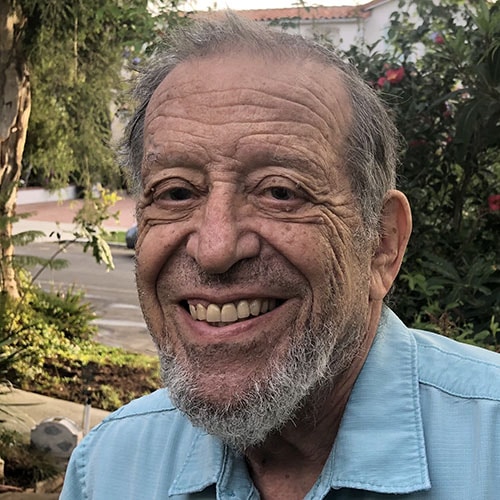
Gershon Hepner is a poet who has written over 25,000 poems on subjects ranging from music to literature, politics to Torah. He grew up in England and moved to Los Angeles in 1976. Using his varied interests and experiences, he has authored dozens of papers in medical and academic journals, and authored “Legal Friction: Law, Narrative, and Identity Politics in Biblical Israel.” He can be reached at gershonhepner@gmail.com.