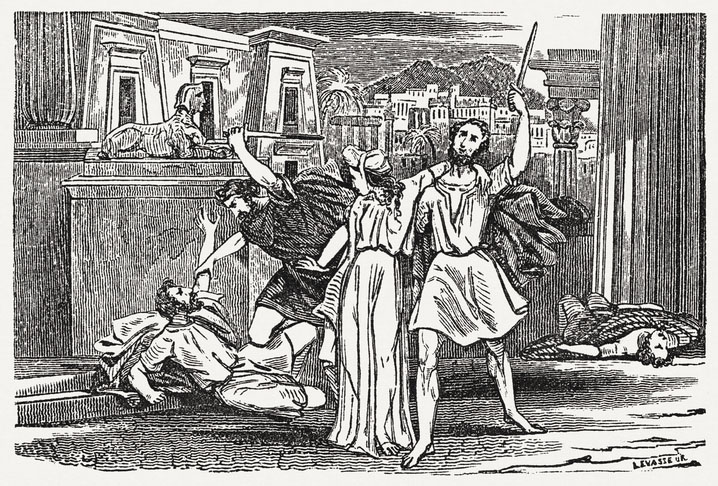

For they are My servants, whom I brought out of the land of Egypt they shall not be sold as a slave is sold. ~ Leviticus 25:42
I own a coffee mug and
a pair of scissors and a
sofa (a few, actually).
I own a telephone and
headphones and a microphone.
I own a ring and a tambourine.
I own several guitars and
a book collection that has
gotten out of control.
I own file cabinets and a
desktop printer and a few different
coffee-making devices.
I own a car (it’s paid off!)
I own a home (by special
agreement with a bank.)
I own pants and a nice new
jacket, and file folders, and
numerous pillows.
I own a television and a treadmill.
I own a box of cords that connect
things to other things.
I own a mini jar that I drink
tequila from. I own a
Bootsy Collins action figure.
I own a very comfortable chair.
I own three cats (though, really,
they’re in charge.)
I own at least three domain names
Do I own the plants here? The cacti
and the rose bushes? The purple
and orange ones in the front?
Maybe. But they seem to be
doing their own thing.
I own all these things.
But the one thing I’ll never own
regardless of who they are
or how kind we’re instructed to treat them
or whatever the holy text says
is another human being
and neither should you.
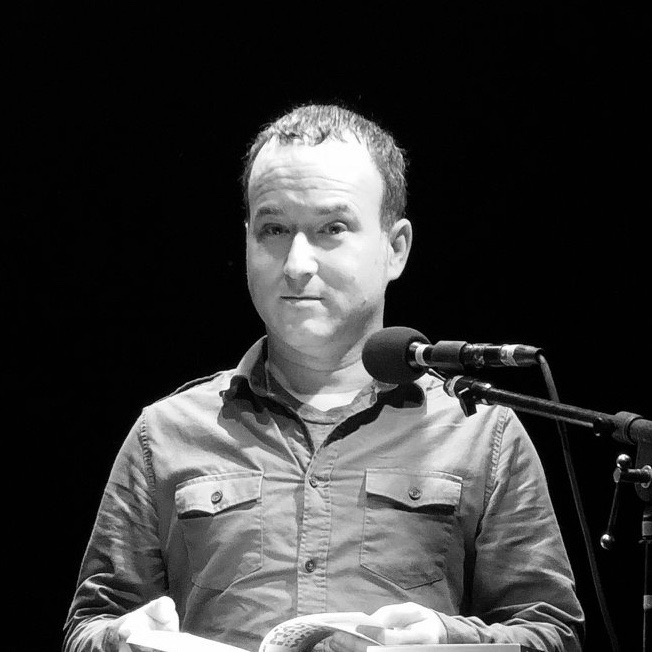
Rick Lupert, a poet, songleader and graphic designer, is the author of 28 books including “God Wrestler: A Poem for Every Torah Portion.” Find him online at www.JewishPoetry.net