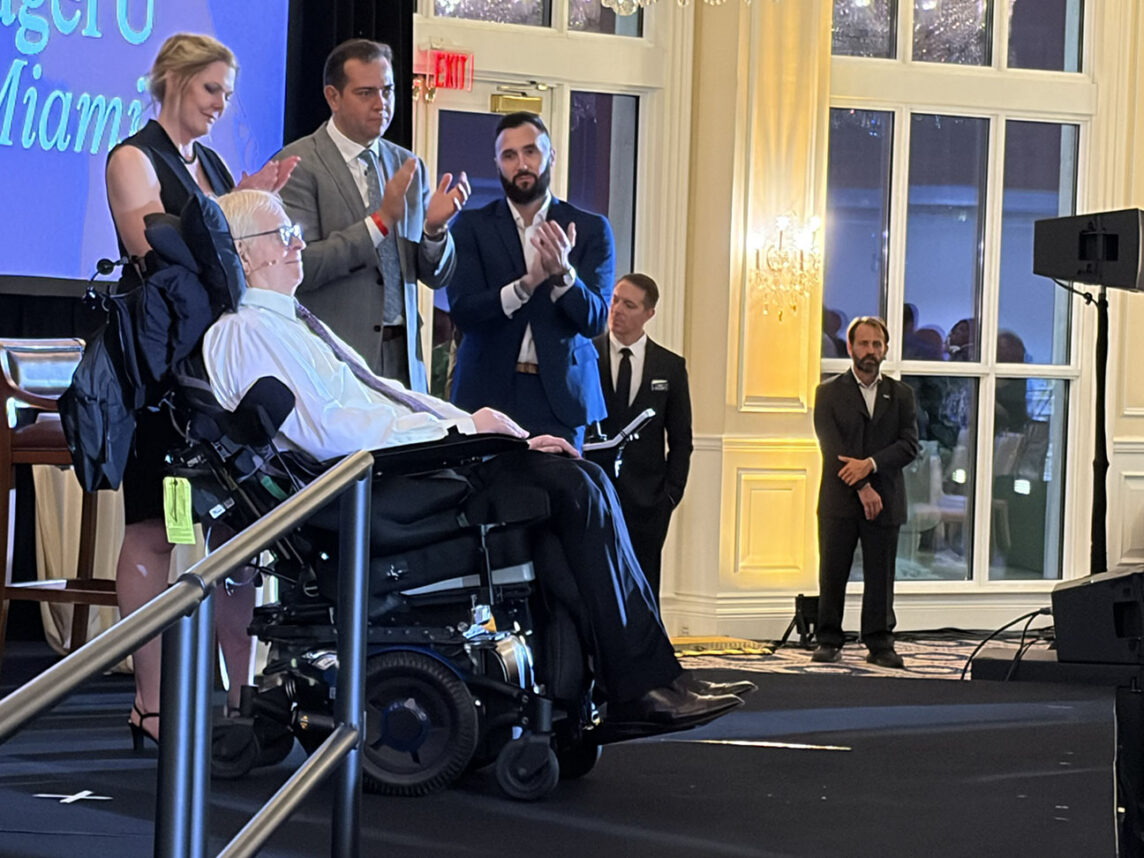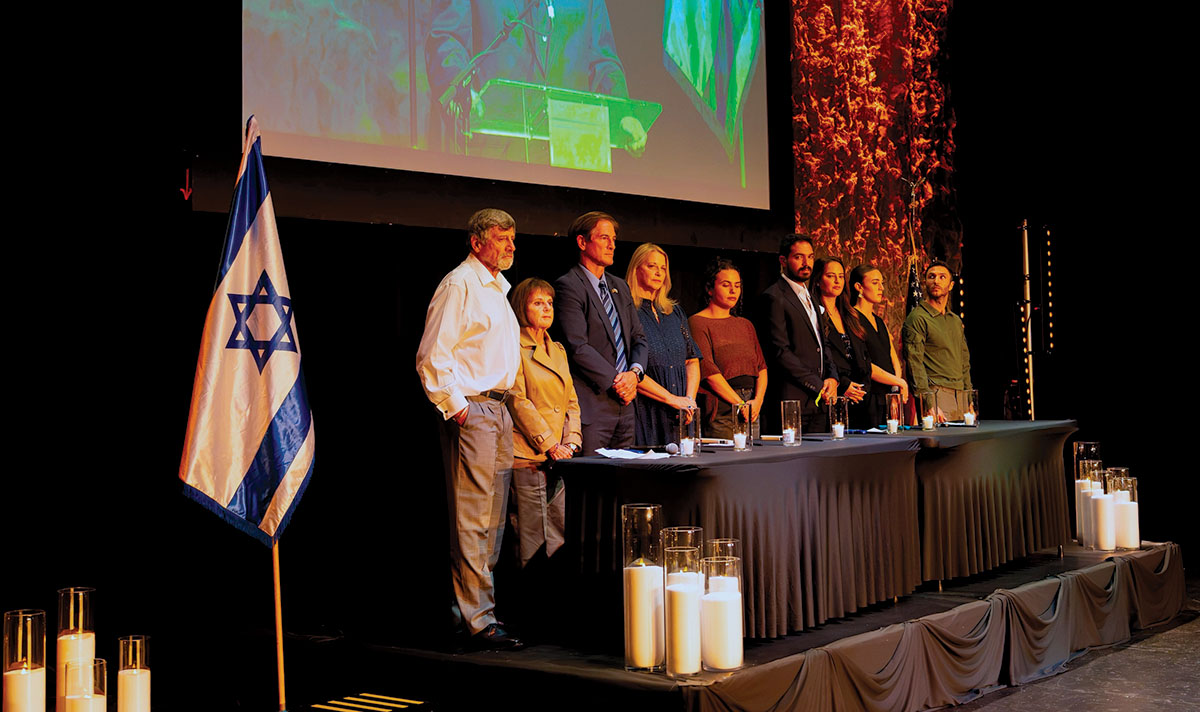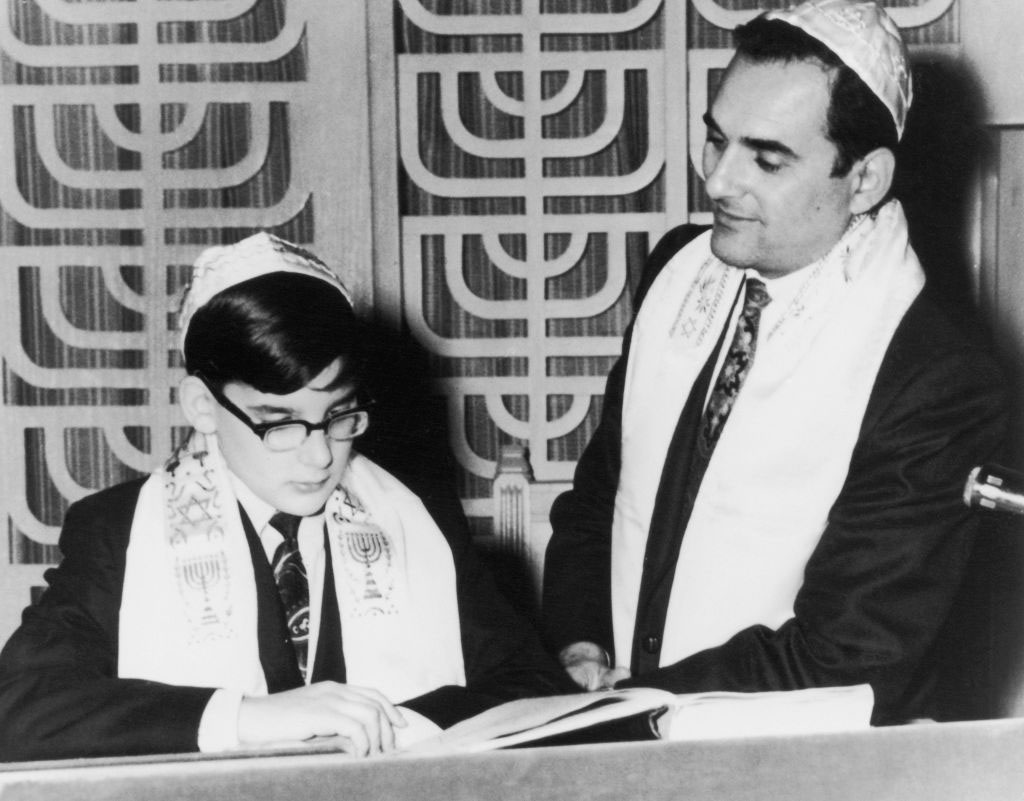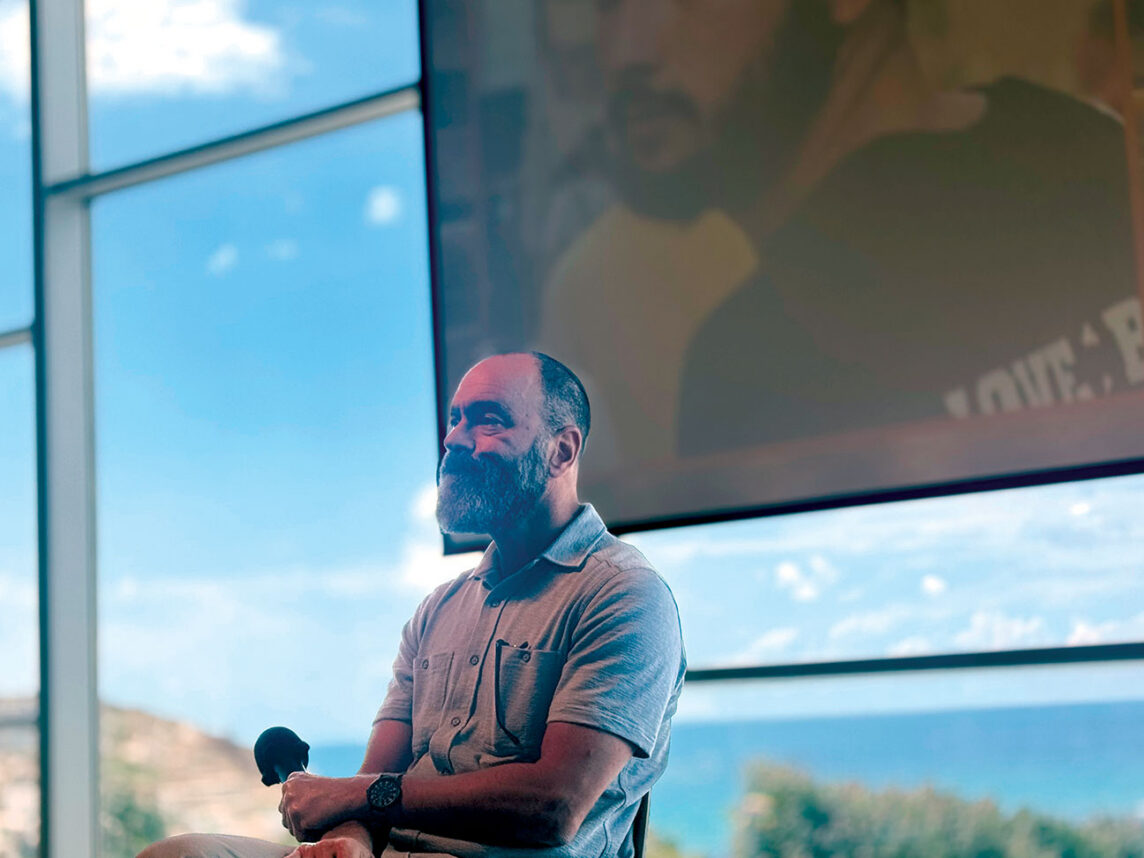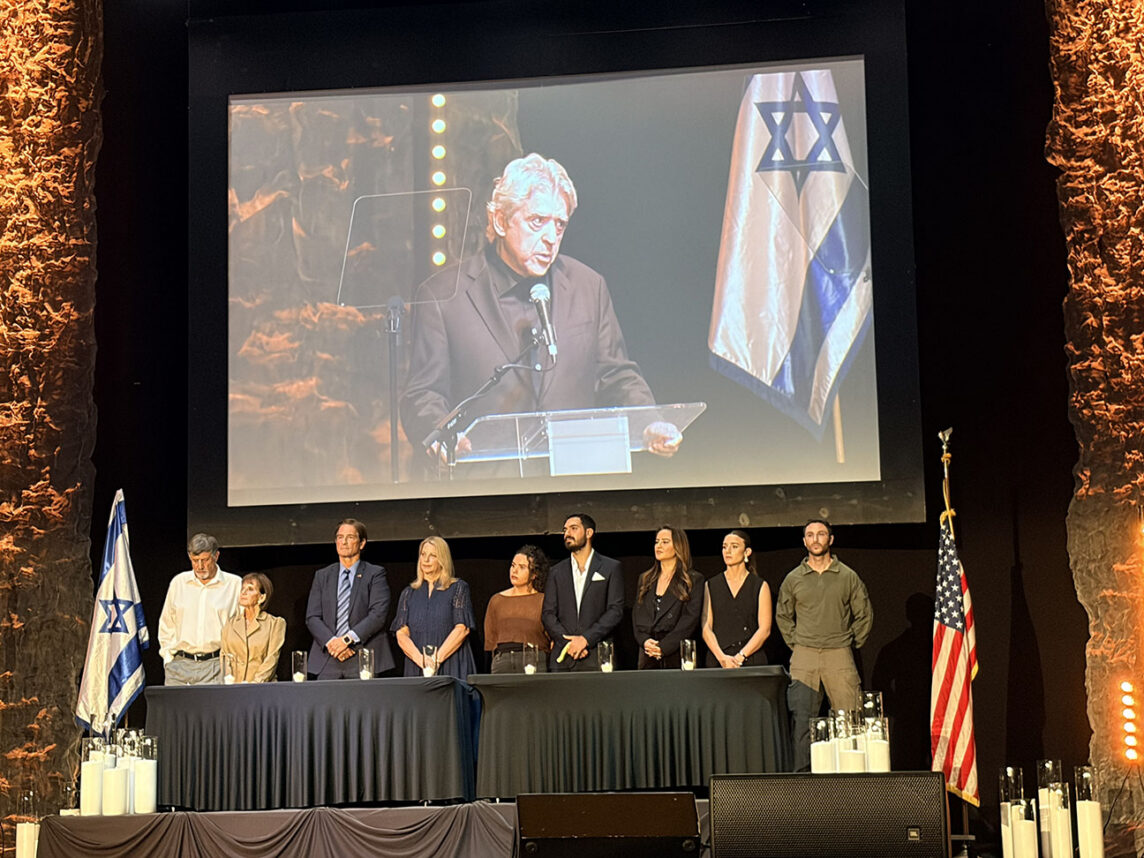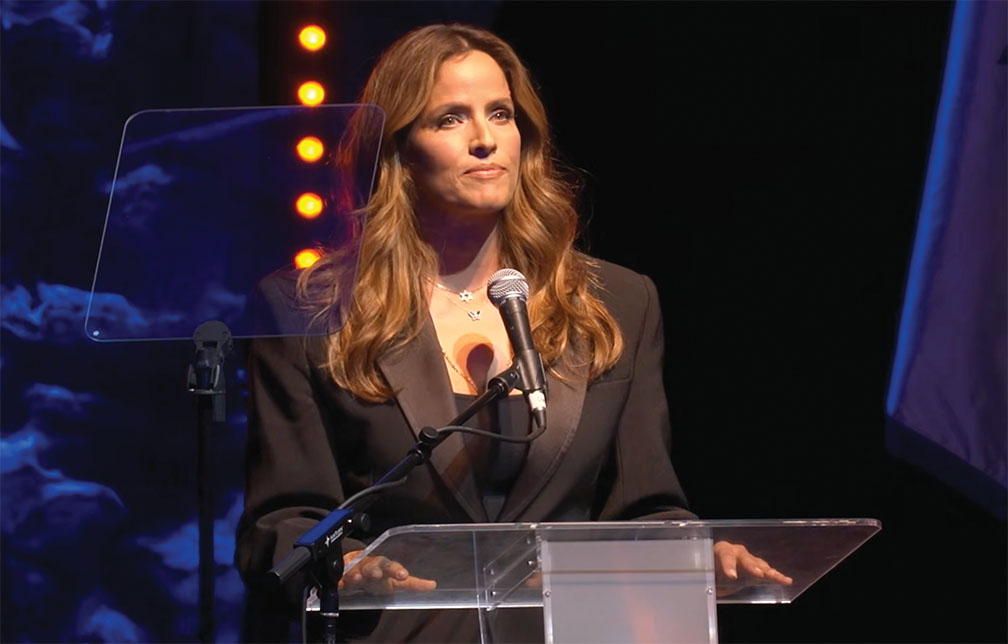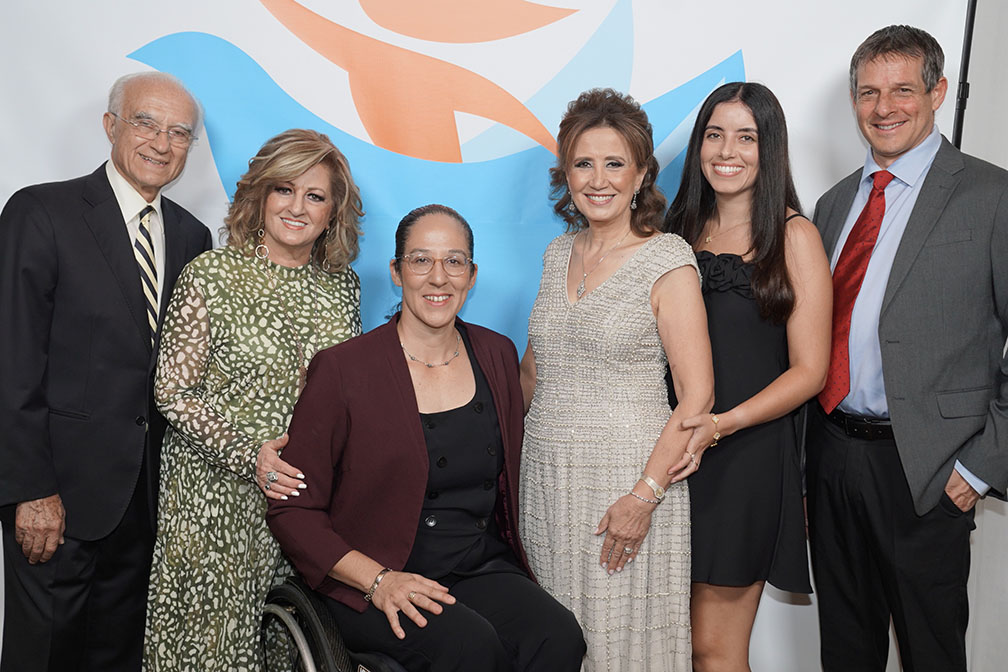
This Shabbat morning, with God’s help, Rabbanit Alissa Thomas-Newborn will be offering the drasha at B’nai David – Judea, the Orthodox shul of which I am the senior rabbi. As I am presently on a study trip in Israel, this is not really news. Rabbanit Alissa is the only other member of our clergy. The news is that this is the first time that her words of Torah will be not only inspiring, but they will also be of historic importance. Though not intended or designed as such, they will constitute an act of sacred civil disobedience.
The Orthodox Union issued a policy statement today, forbidding its member shuls from employing women like Rabbanit Alissa as members of the clergy. They based this policy statement upon the findings of a panel of very distinguished rabbis, which determined that women in the clergy was contrary to the “Halakhic Ethos”, in that tradition provides no precedent for ordained women clergy, and in that – in their opinion – women serving in clergy is inconsistent with traditional Jewish gender roles.
The panel also cited an opinion within Halakhic literature that forbids the ordination of women, and interpreted Maimonides’ restriction on women being appointed to positions of “serarah” (authority) in the broadest possible sense, such that it includes even positions that do not have coercive authority, and even positions in which a person serves completely at the will of the employers who hired her.
In coming to the conclusion that it did, the rabbinic panel chose to not give weight to the ruling of Rama (Rabbi Moshe Isserlis) in the Code of Jewish law that distinguishes between the ancient ordination of the days of the Sanhedrin, and present-day ordination. Rama rules that the latter is simply a designation that a person is learned and qualified to answer halachic questions, a designation that does not distinguish based upon gender. And the panel also chose to dismiss the ruling of Rabbi
Moshe Feinstein and numerous others, who limited the definition of “serarah” to positions of coercive power which are imposed upon a community without its consent. And it also chose to not solicit the mounds of empirical evidence that all of us who have women on our clergy staff could have provided, concerning the ways that these women have vastly increased the amount of Torah study, Mitzvah observance and spiritual sensitivity within their respective Orthodox congregations. Would this evidence notpowerfully change the calculus for determining the “Halakhic Ethos” in this case? One cannot escape the feeling that from the outset the rabbinic panel deeply believed that women in the clergy was one concession to modernity too many for our deeply traditional system. And that the rest was simply justifying a pre-ordained conclusion.
Please do not misunderstand me. I would be the first to say that a female clergy member would not be the right fit in many, many Orthodox shuls. My contention is not at all that the OU should have endorsed the idea as recommended for everyone. My contention is simply that imposing one perspective on all of its member synagogues, when a Halakhicly valid alternative exists, is divisive, counter-productive, and just plain contrary to the OU’s own values of supporting Torah and Mitzvot. It constitutes a leadership error of historic proportions.
Our Orthodox synagogue, along with the several others who proudly have women on their clergy staff, will obviously not be accepting the new OU policy. I do not know what action the Orthodox Union will take against us. But I do know that we will be strong, and that we will be resolute, because that’s what you do when you are right.
That’s what you do when your driving value is the service of God and of the Jewish people.