Lorraine Anishban, 38, has been trying to learn how to read Hebrew for years.
“I attended two or three different courses, but I never came out reading,” she says. Recently, Anishban completed the National Jewish Outreach Program’s Hebrew Reading Crash Course taught by Rabbi Moshe Gutnick at the Chabad of Northridge. “I feel like I’m really reading now,” Anishban says. “I feel great!”
Anishban is just one of more than 105,000 adults in the U.S. and Canada who have completed the beginner’s crash course since its inception in 1988. (Another 45,000 to 50,000 people have gone on to take level two). The NJOC, a non-denominational organization founded in 1987 to stem the tide of Jewish assimilation, created the course to improve Hebrew literacy across North America.
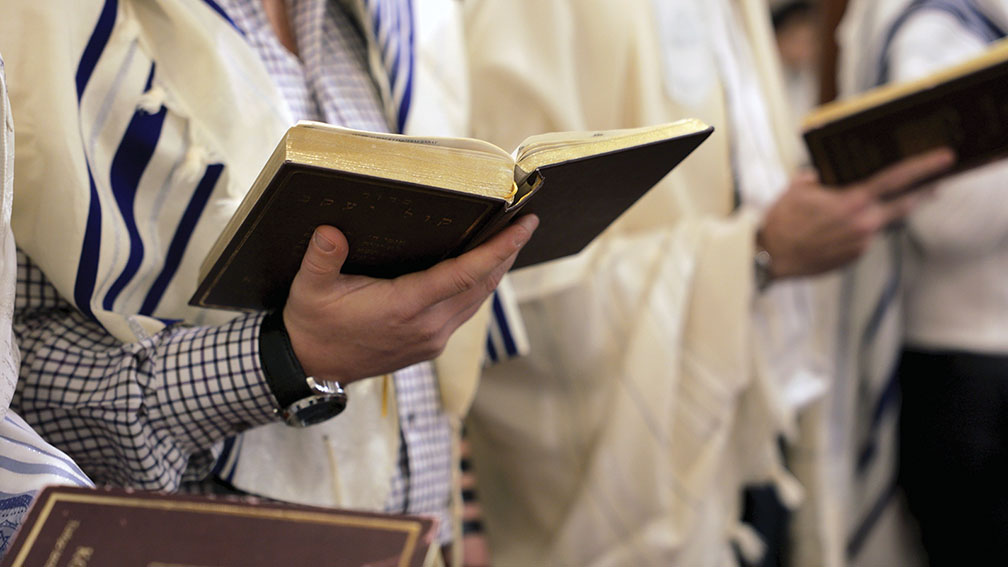
“Hebrew literacy is the fist step towards Jewish involvement,” says Melanie Notkin, marketing director for NJOC. “People who read Hebrew are more likely to go to synagogue. Market research shows that people don’t feel comfortable because they can’t read Hebrew, so they don’t go,” says Notkin.
Gina Blakeslee, 33, concurs. “It definitely makes you feel more comfortable going to shul being able to follow along,” she says. “It makes the experience so much more meaningful. All of a sudden you can look at the words and pronounce them. I used to mumble the words I read phonetically. Now it’s so different.”