fbpx

Marseille Jews split on proposal to remove kippah for safety

Representatives of the Jewish community of Marseille issued conflicting statements on whether Jews should hide their kippah in the southern French city following a spate of anti-Semitic stabbings.
[additional-authors]
January 12, 2016

Representatives of the Jewish community of Marseille issued conflicting statements on whether Jews should hide their kippah in the southern French city following a spate of anti-Semitic stabbings.

Tzvi Amar, president of the local office of the Consistoire, the French Jewish community’s organization responsible for religious services, was quoted Tuesday by Le Figaro as saying Jews should “remove the kippah during these troubled times” because “the preservation of life is sacrosanct.”

But Michele Teboul, president of the local branch of CRIF – an umbrella group that represents French Jewish communities politically as a lobby – told JTA that she “could not support a measure which dials back hundreds of years during which Jews were able to practice their faiths and live freely as citizens of the French Republic.”

Jewish individuals “should decide whether to wear a hat on top of their kippah, depending on the situation, but removing one’s kippah seems unwarranted,” Teboul said.

Amar’s statement, which he said “turns his stomach” and is born of “grave circumstances that require extraordinary measures,” came after the stabbing of a Jewish man in Marseille on Tuesday, allegedly by a 15-year-old Muslim radical. He sustained minor injuries.

In November, a Jewish teacher was stabbed and seriously injured by a man who hurled insults at him along with two other men, one of whom was wearing a T-shirt with the logo of the Islamic State terrorist group. The previous month, a Frenchman of Algerian descent stabbed a Jewish man who was returning from synagogue and assaulted two others, including a rabbi.

Marseille has 80,000 Jews in a total population of approximately 850,000. About a third of its residents are Muslim, according to estimates.


Did you enjoy this article?
You'll love our roundtable.

Editor's Picks

Latest Articles

The Joy Within

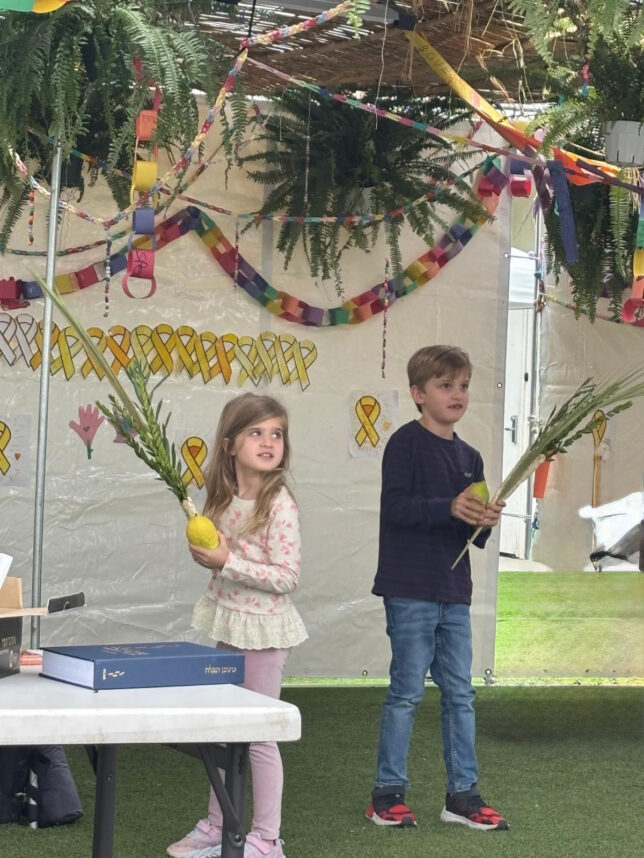
Sukkot asks us to receive the harvest that has actually come in—not the one we imagined or wished for.

A Bisl Sukkot ~ Don’t Be Afraid, Go Outside

The sukkah reminds us to go out into the world, especially when the comforts of insularity beckon us closer—to explore paths we have yet to take and seek journeys ready for wandering.

A Harira Hug in the Sukkah

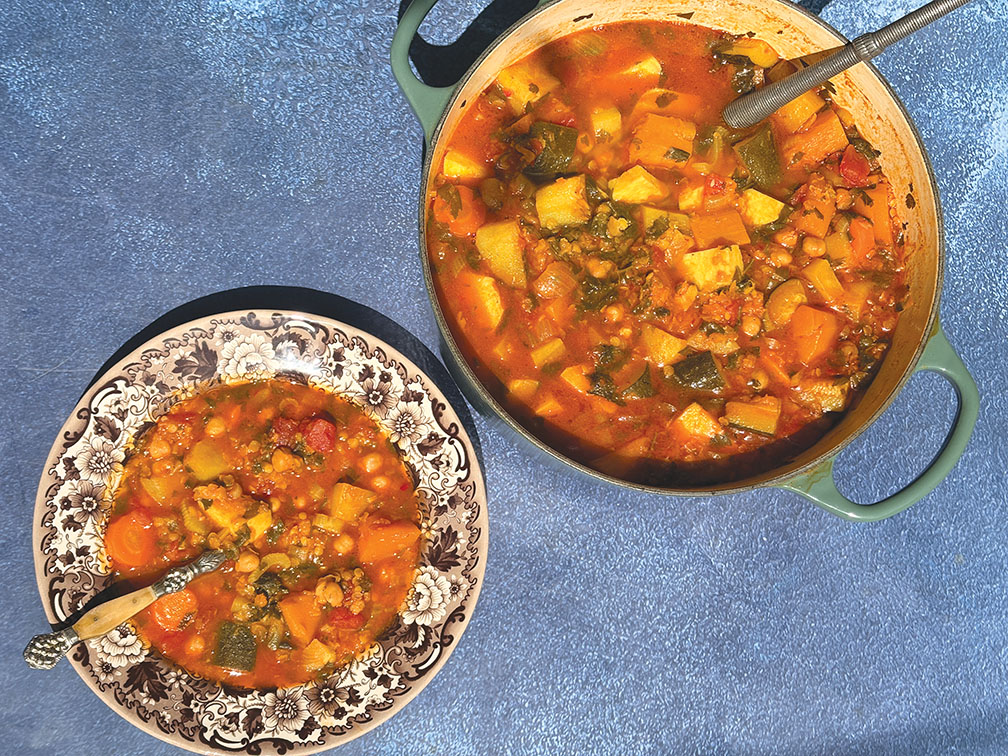
I love making soup for this holiday because even if the days are still warm, the cooler evenings make you start craving something warm and comforting.

The Beat Goes On

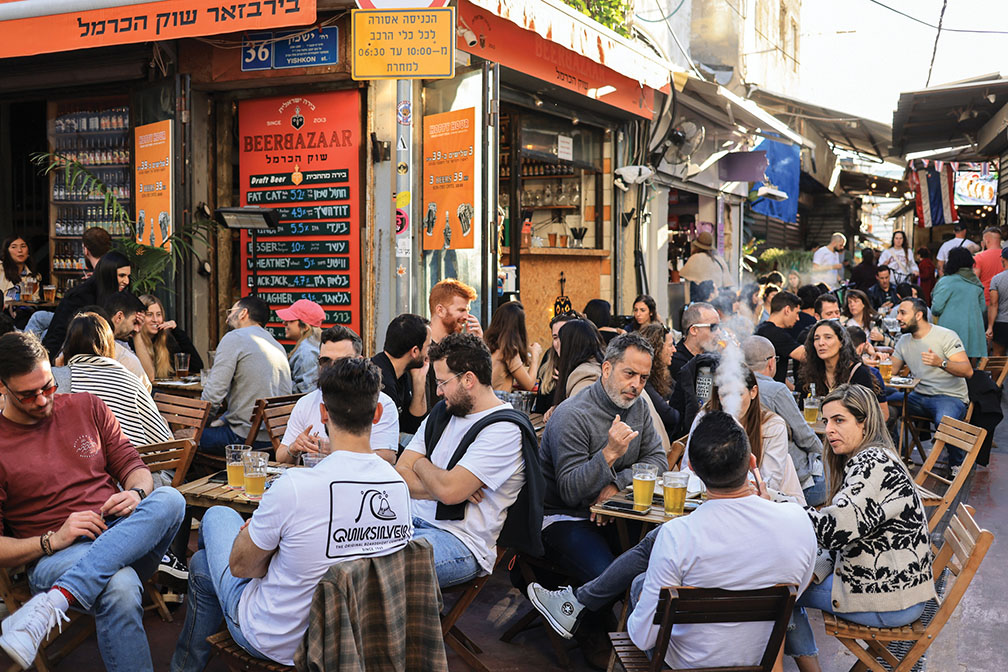
While so much of the world seems obsessed with and consumed by its hatred of Israel and Jews, Israelis continue to build, create, work, celebrate, argue, raise families, and plan for the future.

Viral AI Video Targets Jewish Comedian

“The biggest concern is that people now have a pathway to shut down Jewish voices through complete falsities that people will believe. … For the future of Jewish entertainment, it’s very scary.”

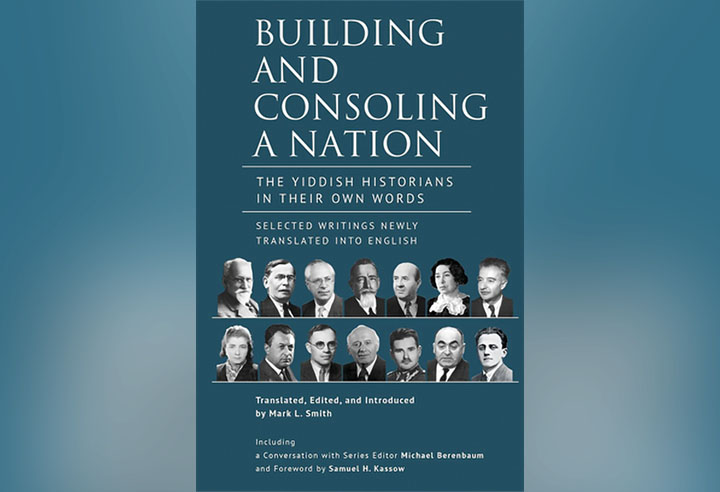
Yiddish Historians: Writing in Their Own Language for Their Own People

Mark Smith has compiled an important anthology of Jewish history using 49 works by Yiddish historians to recreate or at least open the door to a world of Jewish thought that was once almost mainstream, but which no longer exists, except in the minds of too few specialists.

The Everlasting Melody

Most Jews who have sung “Eitz Chaim” over the past half-century probably never knew Portnoy. They did not know when he wrote the melody or how young he was when he composed it. They simply knew the song.

More news and opinions than at a Shabbat dinner, right in your inbox.