A tradition holds that as Abraham walked the land of Israel, he called out the name of every Jew who would one day follow in his steps upon the earth. And so it goes that many Jews would feel the deepest spiritual connection to the place the great patriarch was walking when he mentioned their names.
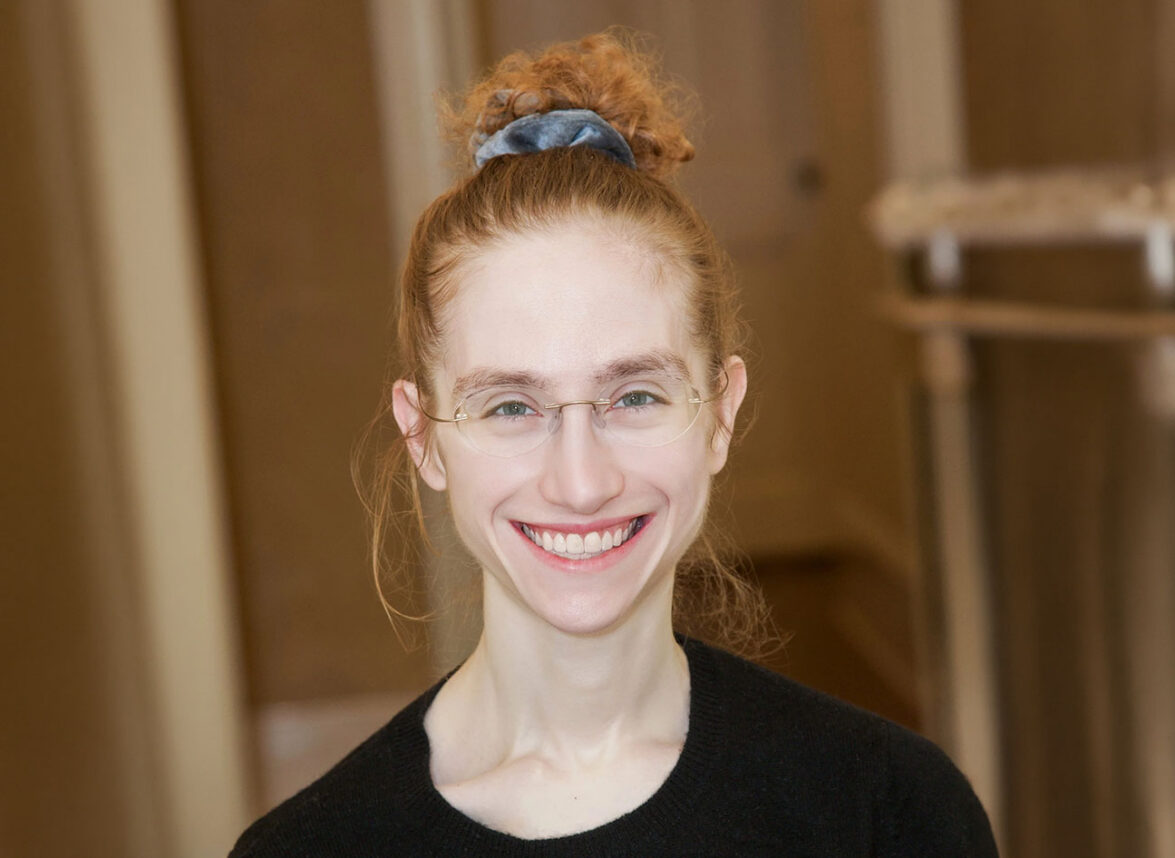
Naomi Solomon has no doubt that Abraham shouted her name while wandering the Gaza Strip.
Among the rugged hills, verdant valleys and sandy beaches, Solomon said she feels the presence of God and “like I have returned to something I once already knew.”
The 28-year-old photojournalist recently quit her job as a Los Angeles photographer’s assistant and left behind the material comforts of her Pico-Robertson apartment to make her home in Gush Katif, a settlement block in Southern Gaza.
It’s the very land that Israeli Prime Minister Ariel Sharon has promised to hand over to the Palestinians in August as part of his disengagement plan. Sharon’s strategy, a possible step toward peaceful resolution of the conflict between Israelis and Palestinians, has drawn the attention of the world and created anxiety and division among Jews in Israel and elsewhere.
Solomon is one American who has literally taken sides, joining those settlers who oppose the pending withdrawal.
“As a photojournalist, I feel a responsibility to document Jewish history as it unfolds,” said Solomon, whose sojourn in Israel also separates her from husband, Yehuda.
“This is my story,” she said in a phone interview from Gaza. “I also feel totally, completely emotionally attached. I have to be there with them to fight the fight. How could I bear to sit in L.A. if the plan is called off and there’s a giant party there? Or, if it does happen, how could I bear to sit in L.A. when Jews are being ripped out of their homes?”
An Orthodox Jew, Solomon began photographing Israeli settlers three years ago, with thoughts of nothing more ambitious than mounting a small exhibition. What began as an art project turned into a calling.
Over the past year, she spent six months in Gaza and shot over 400 rolls of film, recording daily lives and events. Solomon has photographed teenage surfers catching waves in the Mediterranean, modestly dressed religious girls off-roading on sand dunes and an Arab woman rubbing healing oils on a sickly Jewish girl.
She hopes to sell her pictures to European and American magazines and eventually publish them as a book. Three benefactors, whom Solomon declined to identify, have underwritten her activities.
Solomon seeks to document the settlers’ humanity to an outside world that often sees the Jews of Gaza as right-wing religious zealots. She hopes her portrayal of settlers as hard working, decent and brave could help turn public opinion against disengagement.
Solomon has given lectures on the evacuation’s “folly” and exhibited pictures at American Jewish high schools during recent stateside visits.
The next step came in April, when she moved into a friend’s villa in Tel-Katifa, a Gaza village, to stand in solidarity with her “brothers and sisters” in Gush Katif, whose people she calls “Israel’s true heroes.”
For those who know the diminutive 5-foot-3 Solomon, her decision to live in a potential war zone is unsurprising. Even as a young girl in Philadelphia, she “marched to her own drummer,” said Rabbi Philip Field, headmaster of Akiba Hebrew Academy, which Solomon attended.
He remembers a bright activist with a deep commitment to social justice. As a teenager, said Solomon, she once stripped off her socks in midwinter and gave them to a barefoot homeless man.
Growing up, the fate of Israel resonated with her. After more than 50 trips over the years, Solomon considered the place a second home.
She passionately believes that relinquishing Gaza won’t help Israel’s economy, won’t improve its security and won’t bring prosperity to Palestinians. Many Palestinians will lose their jobs once the Jews leave Gaza, she said.
Solomon added that the Torah makes clear that God gave Gush Katif to the Jews.
She would oppose any violence directed against Israeli soldiers ordered to carry out Sharon’s plan. Still, Solomon has no plans to leave Gush Katif, even if ordered by the Israeli government to do so.
Solomon passionately believes that Gush Katif can be saved, regardless of how the situation might appear today. She’s hardly alone, though only a minority of Jews, albeit a growing one, apparently agree with her views.
“I think there’s an unbreakable connection between the Jewish soul and the actual land of Israel,” said her friend, David Sacks, a television writer-producer and a senior lecturer at the Happy Minyan, a Los Angeles group that meets regularly to celebrate the Torah with song and dance. “It’s not nationalism. It’s not even Zionism. It’s more than that….”
“Some people realize the depth of this connection, and some people don’t,” he continued. “She’s someone who understands it very clearly.”
Solomon and her husband shuttle back and forth to see each other at least once every two weeks.
“I’m really, really proud and totally support her and her views,” said the Israeli-born Yehuda, lead singer of the L.A.-based Moshav Band. “Her heart took her there, and she fell in love with the land of Israel.”
But he added that he gets nervous about his wife’s safety when he hears the crackle of gunfire and the thud of exploding rockets in the background during phone conversations.
Solomon said she has no fears about what might befall her. She often hitchhikes around the region to get to photo shoots.
“Why worry?” she said.
“People say to me, ‘You’re doing this project totally alone. Aren’t you scared?'” Solomon said. “I say, ‘Don’t you see the pack of angels surrounding me?’ I feel like I’m working for the Big Guy.”
Â