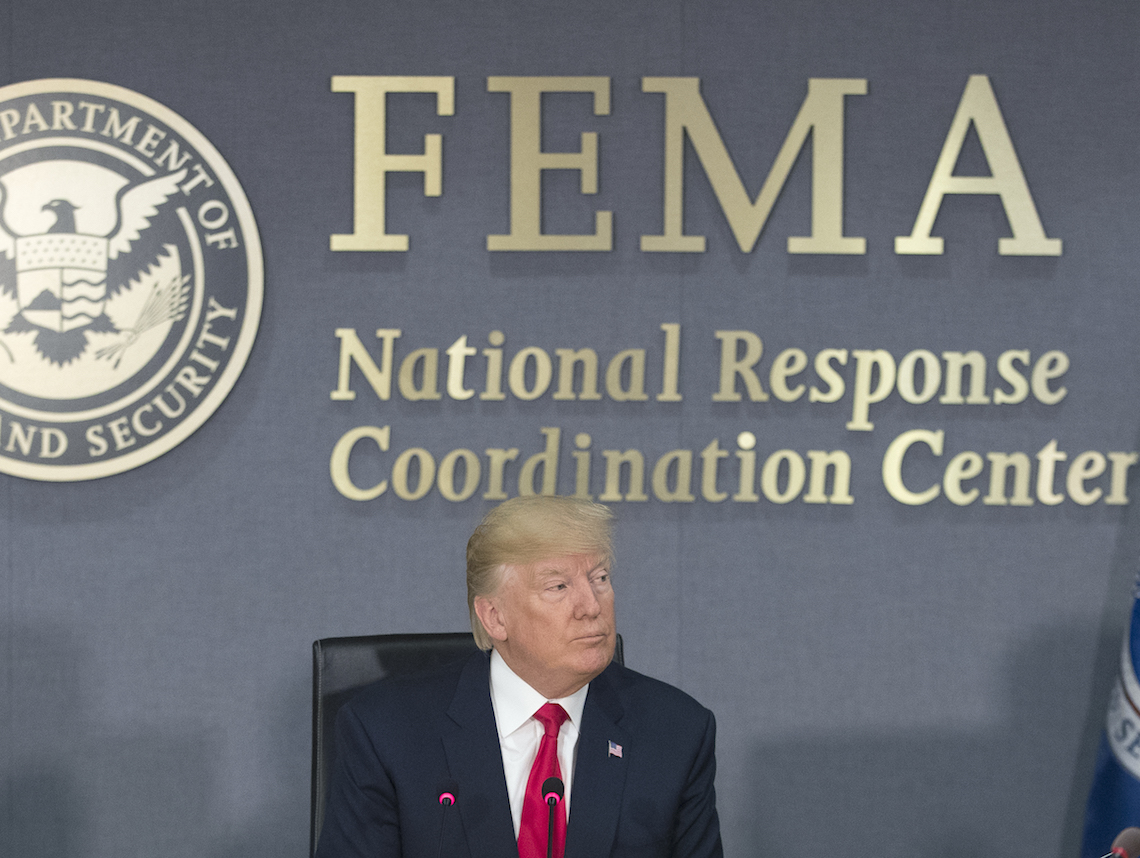
A tweet by President Donald Trump on Friday night, with Houston recovering from Hurricane Harvey and his sister Irma set to ravage Florida, is renewing hope among Jewish groups that have long advocated for emergency assistance to houses of worship.
“Churches in Texas should be entitled to reimbursement from FEMA Relief Funds for helping victims of Hurricane Harvey (just like others),” Trump said on Twitter, referring to the Federal Emergency Management Agency.
Attempts in the past two Congresses to extend FEMA protections to houses of worship had broad bipartisan support, but were stymied by the Obama administration’s concerns over church-state separation.
Jewish groups advocating for the change welcomed the change in tone.
Nathan Diament, the Washington director of the Orthodox Union, which has led advocacy for the policy change, said that Trump needed only to order the change; there was no statute barring emergency funds from going to houses of worship. Still, he said, including houses of worship as beneficiaries of FEMA assistance should be written into law.
“There’s a little bit of distance between the president tweeting and actual policy,” he told JTA on Monday. “We also want it codified in legislation.”
Lawmakers who have favored the change have included Reps. Grace Meng, D-N.Y. and Chris Smith, R-N.J. in the House and Sens. Kirsten Gillibrand, D-N.Y. and Roy Blunt, R-Mo. in the Senate. (Those bids were inspired in part by Superstorm Sandy, which clobbered the northeast in 2012.)
FEMA currently allows nonprofits such as community centers and zoos to apply for the funds.
“We’re asking for the same treatment as other nonprofits,” Diament said.
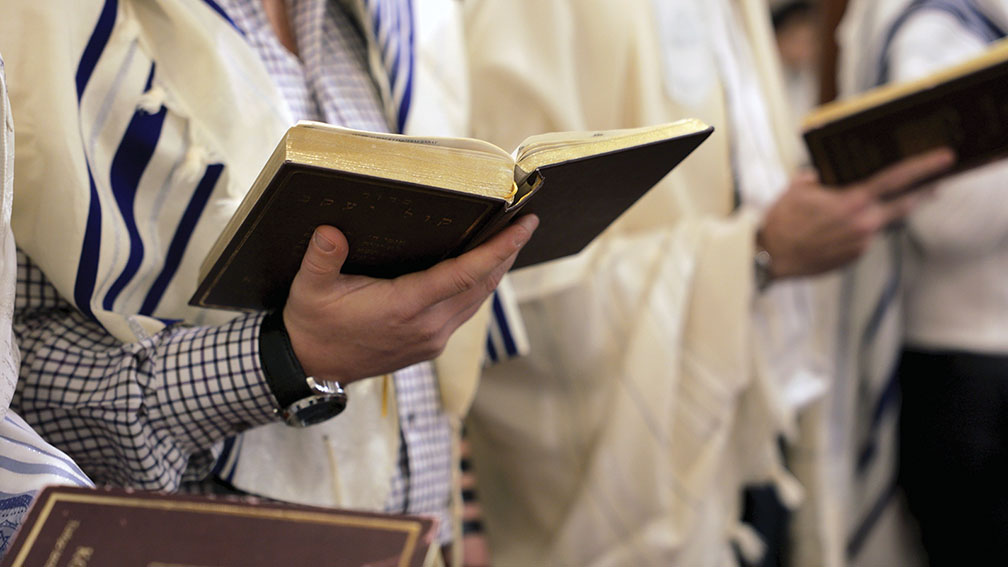
“They serve as shelters, they serve as collection and distribution centers for emergency assistance after natural disasters,” he said. “Community centers are on this list because they function as gathering places for the community and places for educational and other programs; houses of worship do that as well.”
Diament said as many as four OU-affiliated synagogues in the Houston area could use the assistance; it was too early to tell regarding Florida, he said.
The Orthodox Union is allied with religious umbrellas from other faiths in favoring the legislation, but Diament emphasized that the change has broad support, including from the Jewish Federations of North America, the Conservative movement and the American Jewish Committee, an organization that has in other areas emphasized church-state separations.
Richard Foltin, the AJC’s director of legislative affairs, said that as long as there were safeguards keeping the assistance from directly funding religious activity, expanding the assistance to houses of worship was the right thing to do.
“This is a natural disaster for which everyone has suffered and a house of worship ought not to be ineligible for support,” he said.
Among Jewish groups that usually voice church-separation concerns, the Anti-Defamation League in 2013 dropped its objections to legislative bids to include houses of worship as eligible for FEMA assistance, and the Reform movement has not raised objections.
Abba Cohen, the Washington director of Agudath Israel of America, said extending the assistance to houses of worship was common sense.
“It defies common sense or any sense of fairness to deny disaster relief to houses of worship, especially when zoos and other recreational facilities are eligible to receive such aid,” Cohen said in an email. “When disaster strikes, the stability of a community’s houses of worship and other religious entities is vital to its spirit and morale and ultimately to its ability to recover.”