














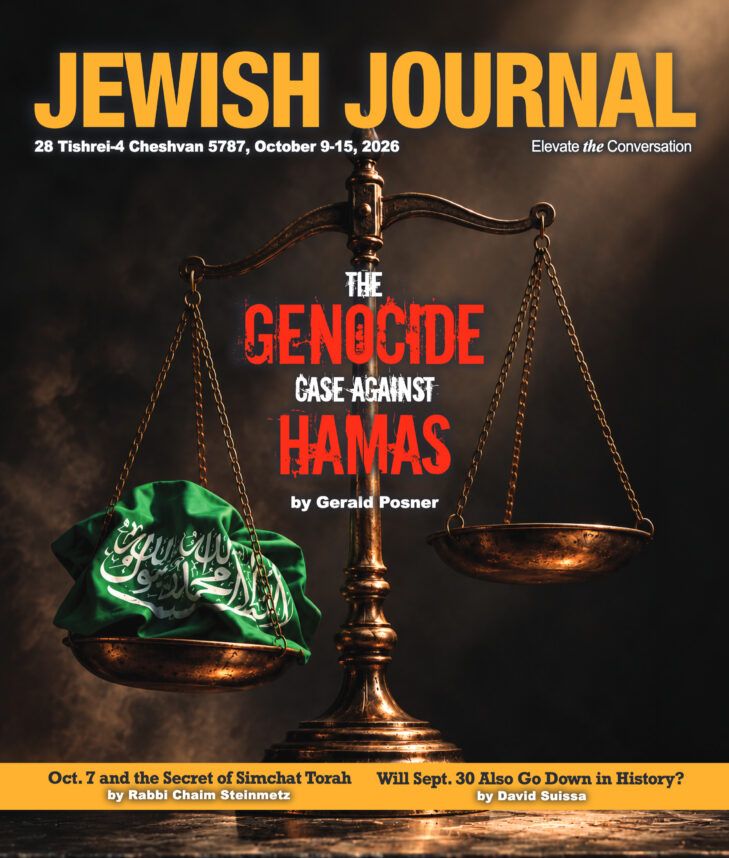
Was a single day’s attack, no matter how savage, too brief to qualify as genocide? It turns out that duration has never been the legal test.

The Israeli singer returns the Saban Theater in Beverly Hills on Oct. 11 with “One More Night,” bringing the mix of Ladino, flamenco and Middle Eastern music that has defined much of her work.

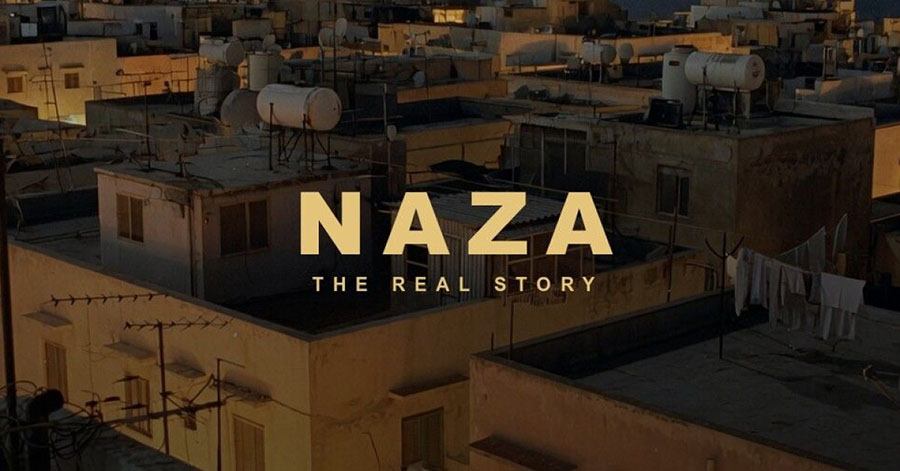
“NAZA: The Real Story” focuses on the IDF’s efforts to avoid civilian casualties while fighting Hamas, portraying an army that takes extensive precautions before carrying out strikes.

“Naza” is not successful on any level as a documentary, but if judged on awards, and getting people who were already angry angrier, it very well may be.

“I have no problem with freedom of speech, but don’t call me a baby killer” – Philip Krawitz
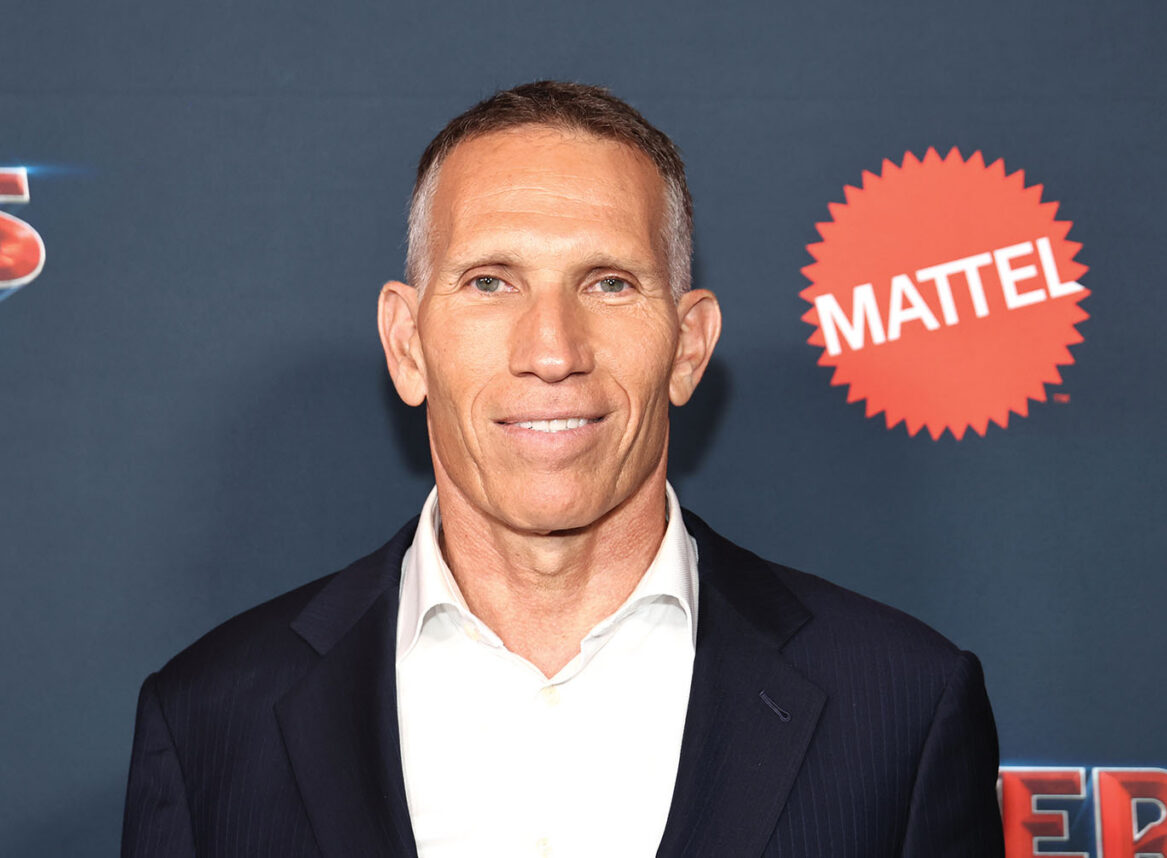
Kreiz will join the board and oversee day-to-day management and integration of the businesses.

Second of two parts

After weeks of holiday feasting and heavy meals, the new Jewish year is a perfect time to reset, to nourish our bodies with food that is wholesome and still tastes delicious.
Primordial Light
Dwight Stones, who was born in Los Angeles and is Jewish, has long been a strong supporter of Israel.
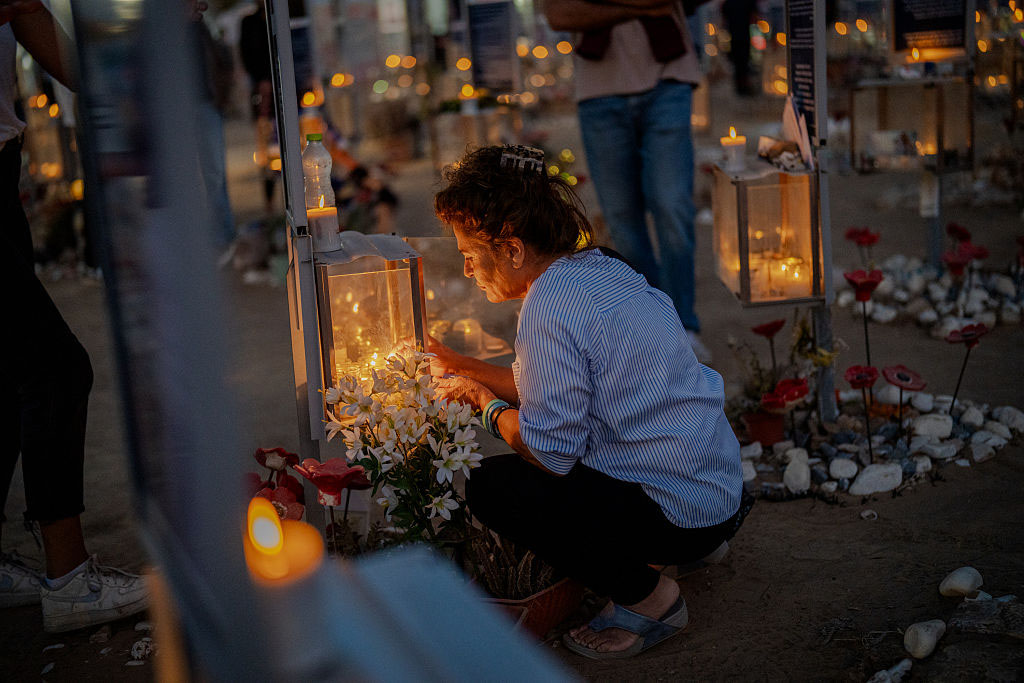
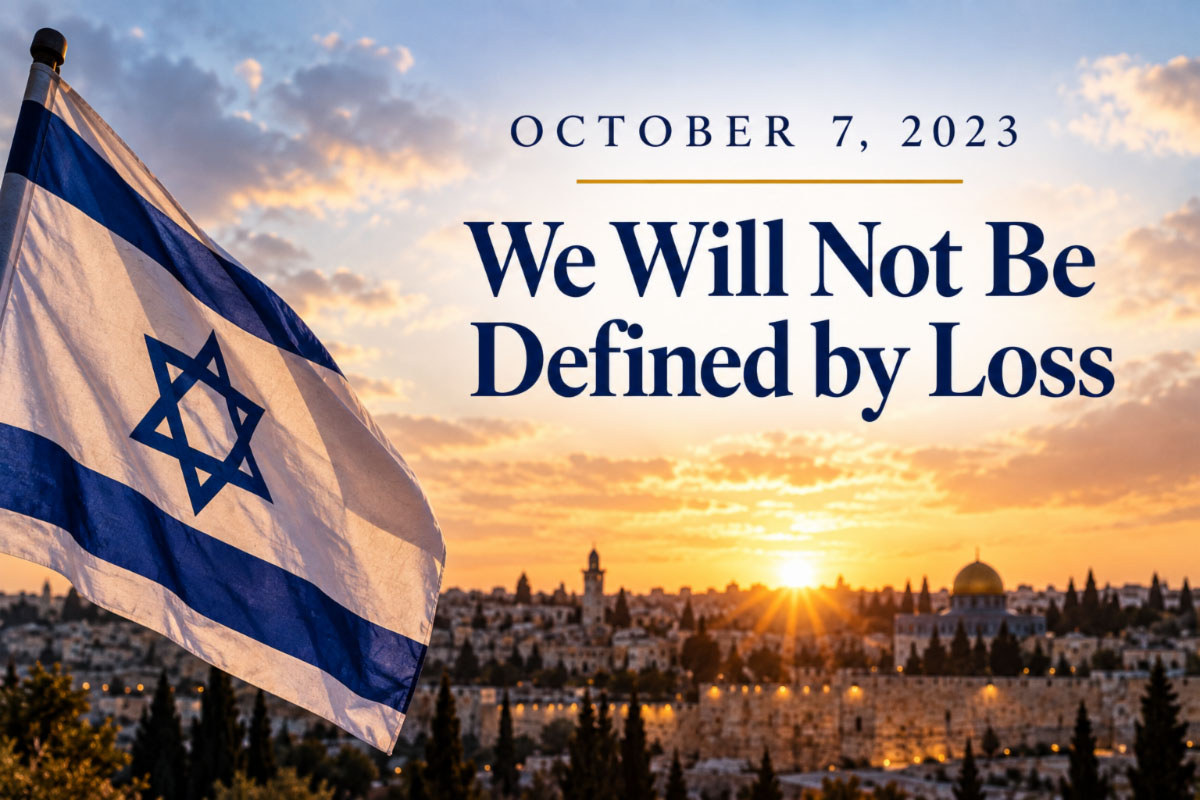
Even as we mourn everything we’ve lost, let us also remember the moments of hope and healing — moments that restore our faith in humanity’s promise.
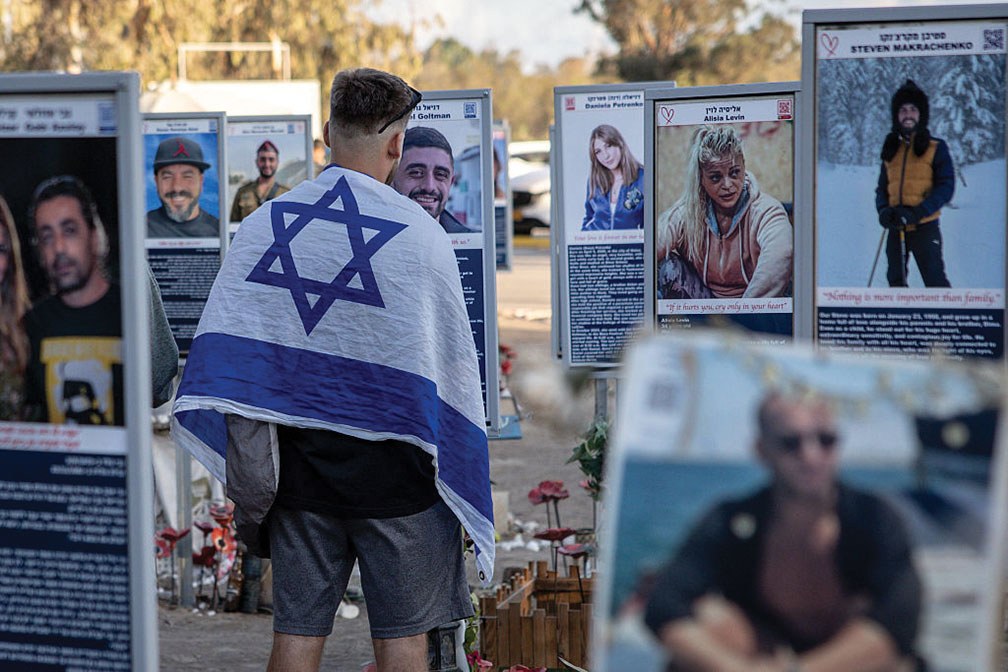
October 7 is a day that already reverberates powerfully in the consciousness of every Jew. But the meaning of it has yet to be deciphered.

For Israel, and for everyone who believes that seemingly permanent conflicts need not remain permanent, what is unfolding in the South Caucasus deserves to be recognized, encouraged and protected.

Even on this singular day to honor the victims of Oct. 7, the mayor kept the poison coming.

I stood there in awe, my eyes blurring with tears, listening to the hush and experiencing the unnamed. I couldn’t tell which was stranger: feeling the rainforest in me, or me in the rainforest. And then my phone rang.
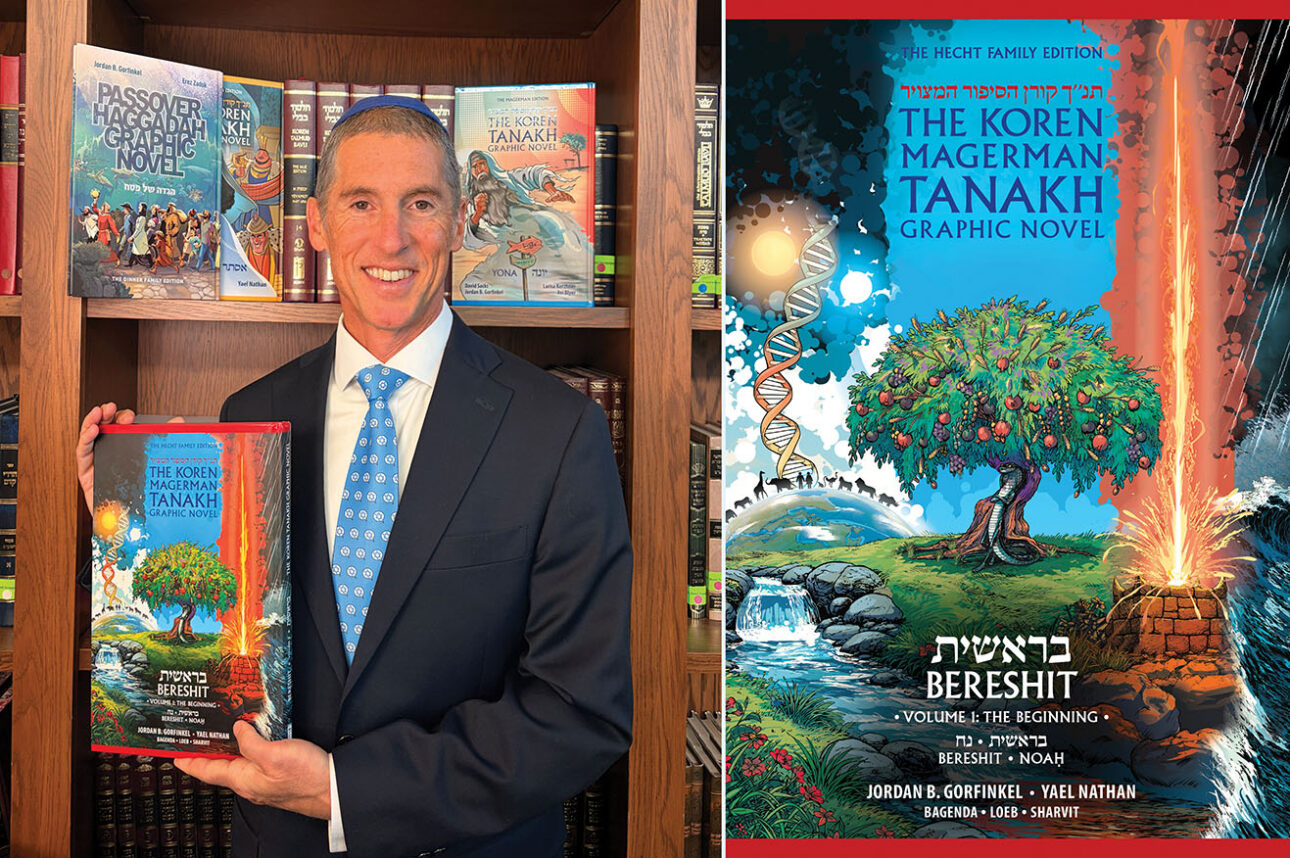
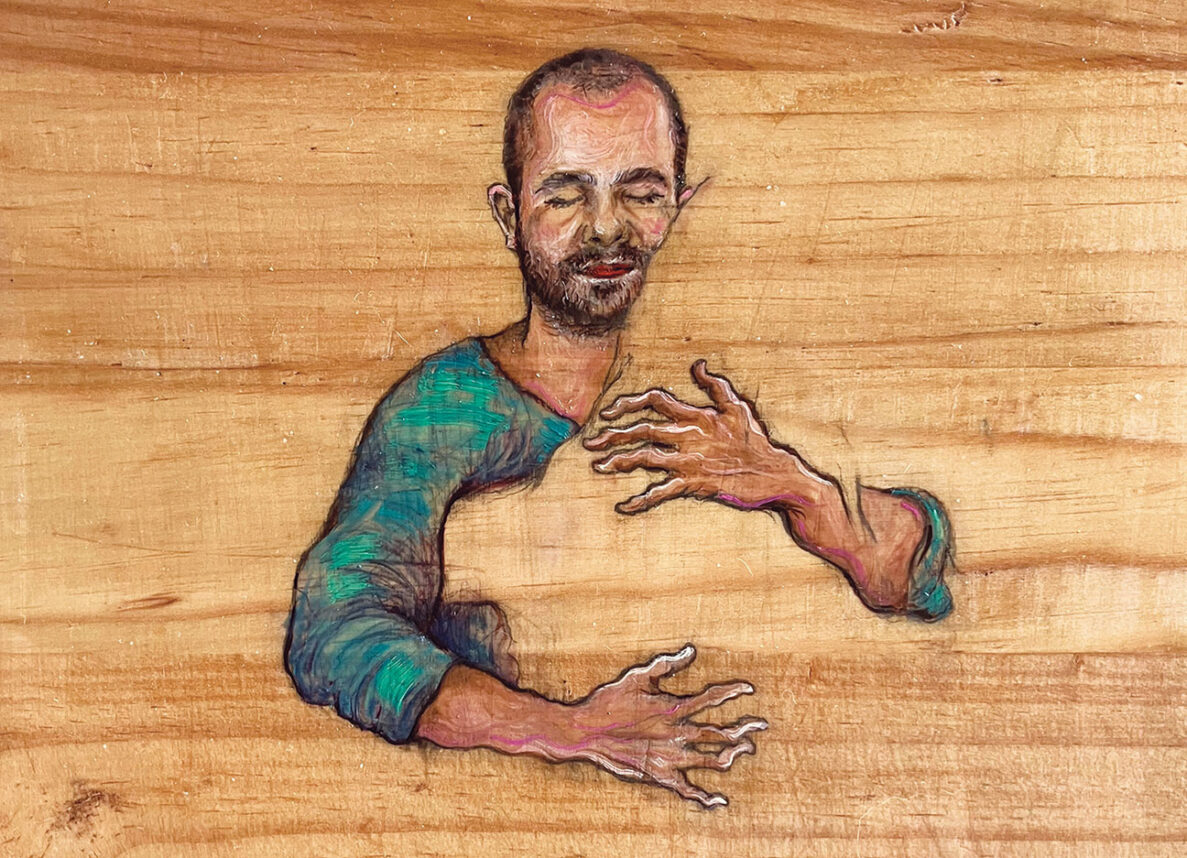
Following on the heels of his earlier presentations of the Passover Haggadah and the books of Esther and Jonah, Gorfinkel, known to his friends as “Gorf,” along with Israeli illustrator Yael Nathan and a team of specialized artists, have produced “The Koren Magerman Tanakh Graphic Novel: Bereshit Vol. 1,” which renders the first two Torah portions in Genesis, Bereshit and Noah, in dynamically engaging visual narrative form.

FZ1073 has a message for the world. For the terrorists striving to take innumerable Israeli lives and make the survivors’ lives unbearable, the message is that your love of death will never diminish our love of life nor make us any less determined to defend it.

A career becomes more rewarding when it supports rather than consumes the rest of life. Wealth becomes more meaningful when it creates security and enables generosity.