




fbpx

Budgeting as a Moral Practice and Why I Support Proposition 30

[additional-authors]
October 30, 2012

How do we translate our common moral commitments into action?

For argument's sake let us agree that we all believe in the dignity of every human being.  That is, we believe that a person's dignity is an inalienable part of their being, to borrow a phrase from the founders. In religious terms one would say that every person was created in the image of God. This is perhaps the most forceful way of saying that each and every person's value as a person is not contingent upon anything external to that person, and that no one has a right to act in such a way as to harm that dignity, that image of God, that tzelem elohim. It is as if when one damages another's dignity one does harm to God.

Okay, let us assume that we all agree with this. How do we translate this into practice? How do we move the rhetorical statement to action—moral and legislative at once—which incorporates this understanding into the fabric of our polities, city, state and country?

The only way to get from here to there is to get into the high grass of public policy—and the highest grass of public policy is budgeting. I am not arguing, nor would I, that the budget should direct our moral choices, that the economic bottom line should be the deciding factor in whether or not a policy is good or bad. The exact opposite is what I would argue. The choices we make in our budgeting process must reflect the values which we hold most high.

Since here in California we have over the years decided that our elected representatives should have us do their work for them in the ballot process; and since in that process important questions of budget and taxation are decided, we are forced every election to weigh our votes on budget propositions on the basis of whether or not they reflect our most important values.

The bottom line is that a budget must be an ethical document. The choices of what to fund and what to cut cannot be just a matter of arithmetic, but must first of all be a matter of moral choice.

So how do we create a budget which reflects the respect of every person's being created in the Divine image?

I would suggest that we start by articulating the interlocking web of necessities which a person needs in order to be able to live with dignity in our cities. A non-exhaustive list would include, for example, a job with a living wage, decent education, housing, and health care. These needs are interlocking in that if one is missing, the whole web can fall apart. If one does not have a decent job with a living wage, then one cannot get decent housing or healthcare which impacts one's ability to get an education. If one does not have access to education, one cannot get a decent job which impacts one's ability to get access to housing or health care. And so on. (The more robust argument, for another time, would include the claim that all of these necessities enable a person not only to survive, but to flourish as a person, which is to actualize the Divine image.)

When the budget that is created does not allow for people to live in dignity, let alone flourish we have failed as a society.

It is then incumbent upon us as a society, through our government—which is the mechanism by which we handle our ability to live together—to redirect our resources such that everybody can live in dignity. To that end I would argue, we must support a robust school system and a system of higher education. We must ensure that everybody has access to health care. We must provide shelter and housing to the homeless.

In this election, one action which can bring us one step further along this path is voting for

Did you enjoy this article?
You'll love our roundtable.

Editor's Picks

Latest Articles

Happy Birthday, Judea Pearl

One thing I am sure of: Judea is inarguably a proud Jew, a steadfast member of this multimillennial Jewish Peoplehood. The other is that I love the man, plain and simple.
Exiled from Zamosc, Survival in the Far-Off Lands

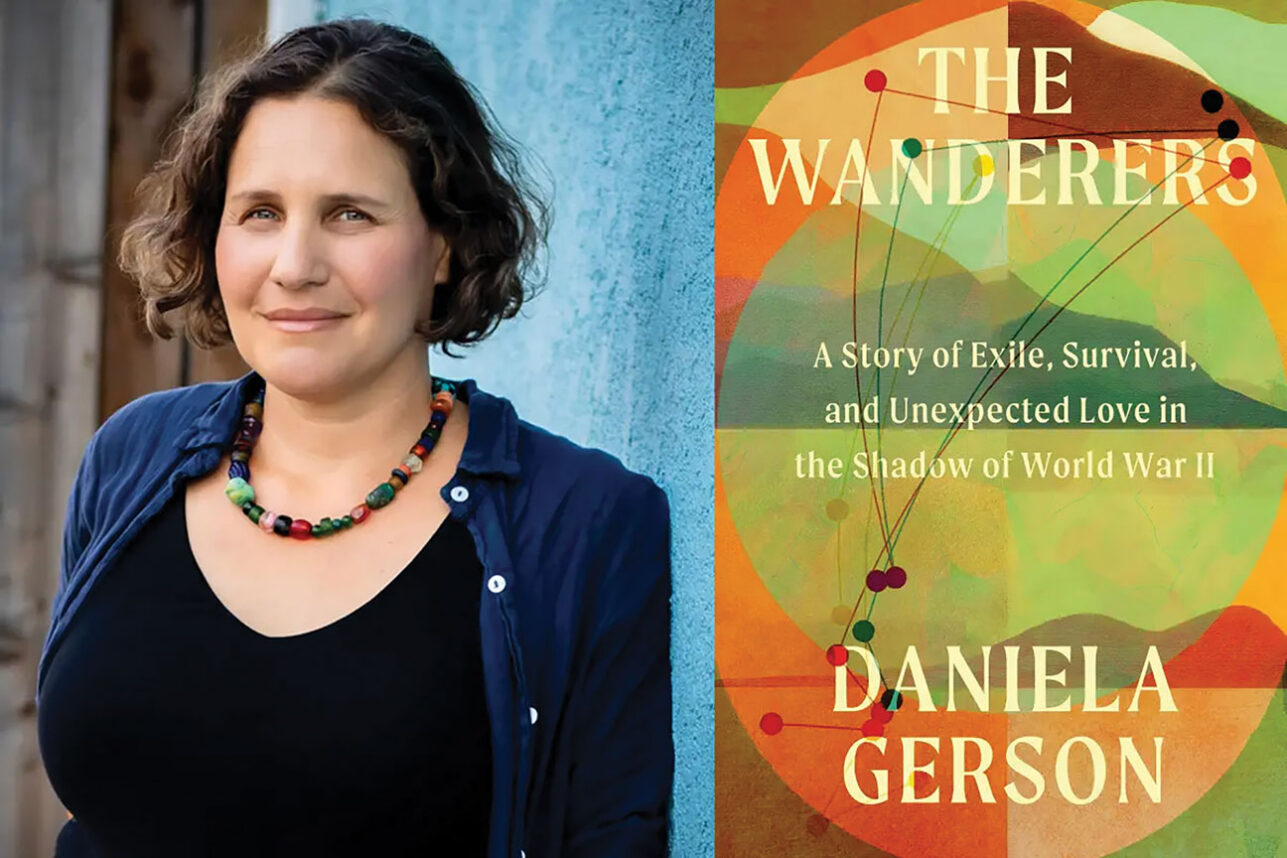
Daniela Gerson’s “The Wanderers” is all that you can ask for from a book. Meticulously researched, exquisitely told, it is an adventure story spanning more than 80 years, even a love story.

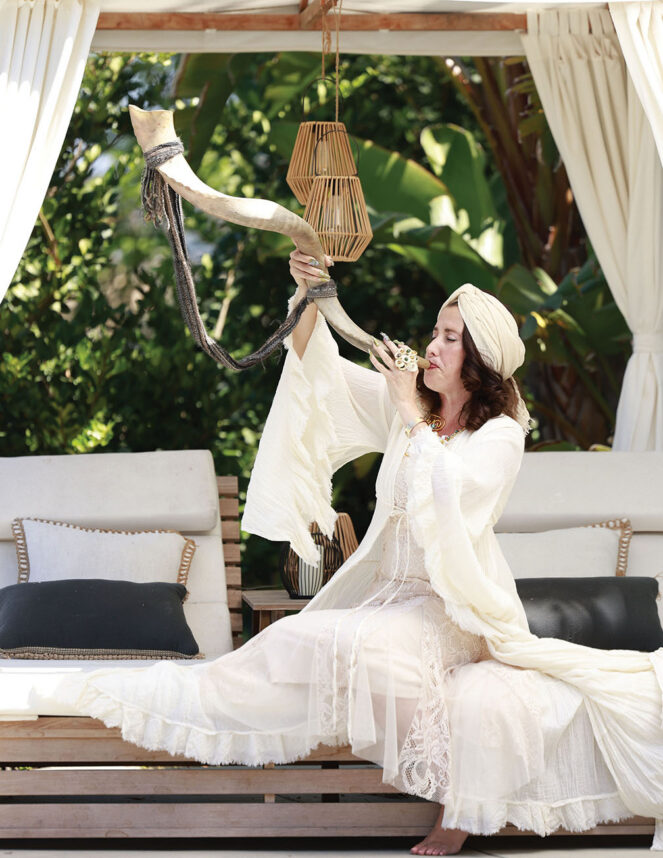
The Shofar Blower

Through poetic reflections, Torah wisdom and personal stories, Salem explores the shofar as a tool for mindfulness, healing, surrender and inner transformation.
More news and opinions than at a Shabbat dinner, right in your inbox.