fbpx

Digging In

When Israeli archeologist Dr. Dan Bahat arrived in the United States early in February for a month of speaking engagements, he planned to talk to audiences about the history of the Temple Mount and the current state of archeological digs nearby.
[additional-authors]
March 15, 2001

When Israeli archeologist Dr. Dan Bahat arrived in the United States early in February for a month of speaking engagements, he planned to talk to audiences about the history of the Temple Mount and the current state of archeological digs nearby. After all, Bahat’s visit was sponsored by the Israeli Ministry of Tourism in order to reassure Americans that the many historical sites in Jerusalem are still safe to visit, even with the current violent clashes. Bahat spoke mainly to Christian groups and churches across the country, groups whose “traditional visits to holy sites in Israel have fallen off even more sharply” in recent months than those of Jewish groups, he noted.

So the archeologist found himself quite surprised when his planned talks regularly became question-and-answer sessions about the possible location of the Ark of the Covenant.

Bahat, who for many years has overseen the digging of the tunnel beneath the Western Wall, is, in fact, something of an expert on the Ark. Although its location may be of interest to American fans of Indiana Jones, mainstream archeologists generally agree it is directly beneath the Islamic holy site of the Dome of the Rock. “We are not searching for the Holy of Holies. We know where it is to be found, but we cannot dig there, and that is not our purpose,” he said. “We dig only to know more about the Temple Mount, the many religious landmarks there, its rich, rich history.”

The archeologist first began working on the dig near the Western Wall in the early 1970s, soon after Israel gained control of that part of Jerusalem in the 1967 war. At the time, said Bahat, “There was no archeological supervision of the site. The whole dig was run for political purposes, under the Department of Religious Affairs.” Believing that such work was the job of archeologists, he left the dig and the political maneuvering behind, but returned in 1978 when control of the project was ceded to the Department of Antiquities. In 1985, Bahat became the district archeologist of Jerusalem, a post he kept until 1991, when he left to teach at Tel Aviv’s Bar-Ilan University. He continues there, as senior lecturer, while keeping up his work on the Wall tunnel.

Bahat has nevertheless used the interest expressed in the Ark of the Covenant to engage audiences in the whole fascinating history of religious sites in the area, a technique he learned as a professor. Prior to teaching, he led excavations of Herod’s palace in Jerusalem and at Masada. At the Western Wall tunnel, his work has not been affected by the recent violence between Israelis and Palestinians, he reports, adding that the tunnel remains open to the public.


Did you enjoy this article?
You'll love our roundtable.

Editor's Picks

Latest Articles

The Beat Goes On

While so much of the world seems obsessed with and consumed by its hatred of Israel and Jews, Israelis continue to build, create, work, celebrate, argue, raise families, and plan for the future.

Viral AI Video Targets Jewish Comedian

“The biggest concern is that people now have a pathway to shut down Jewish voices through complete falsities that people will believe. … For the future of Jewish entertainment, it’s very scary.”

Yiddish Historians: Writing in Their Own Language for Their Own People

Mark Smith has compiled an important anthology of Jewish history using 49 works by Yiddish historians to recreate or at least open the door to a world of Jewish thought that was once almost mainstream, but which no longer exists, except in the minds of too few specialists.

The Everlasting Melody

Most Jews who have sung “Eitz Chaim” over the past half-century probably never knew Portnoy. They did not know when he wrote the melody or how young he was when he composed it. They simply knew the song.

Who’s Really the Victim?

Those who would revel in Israel’s demise are claiming victimhood on every front and denying attacks on us in the same breath.

Biblical Deterrence

After Oct. 7, the sentiment in Israel toward the Iranian leadership was unequivocal: You went medieval — so we will go biblical.

How Sukkot Makes Us Whole

This year, I bless us that we open our eyes to truly see the beauty and the holiness of the world, and of the person before us at each and every moment, and to see the godliness of their aspirations and their fears.

The New Ushpizot

Ushpizin invite us to “welcome in our ancestral constellation and dwell amongst them.” This year, it’s Ushpizot, for the women. It’s the year of the Feminist Visitation.

Macklemore, Or Less

In between his songs, he proclaimed, “Free Palestine,” which is fine, asserted that opposing Israeli military actions is not antisemitic, which is accurate, and accused Israel of apartheid and genocide, which is offensive, untrue and hateful.

The Rokeach’s Remarkable Sukkah

To Rabbi Eleazar ben Judah of Worms (1176-1238), the medieval German pietist known as the Rokeach, the sukkah symbolized Jewish military might.

The Sukkah and the Power of Endurance

They can destroy our Temples, demonize us in social media, shower us with hate, but they can’t destroy a spirit that never stops building. That enduring spirit is the power of the sukkah.

NY Mag’s Habibi City

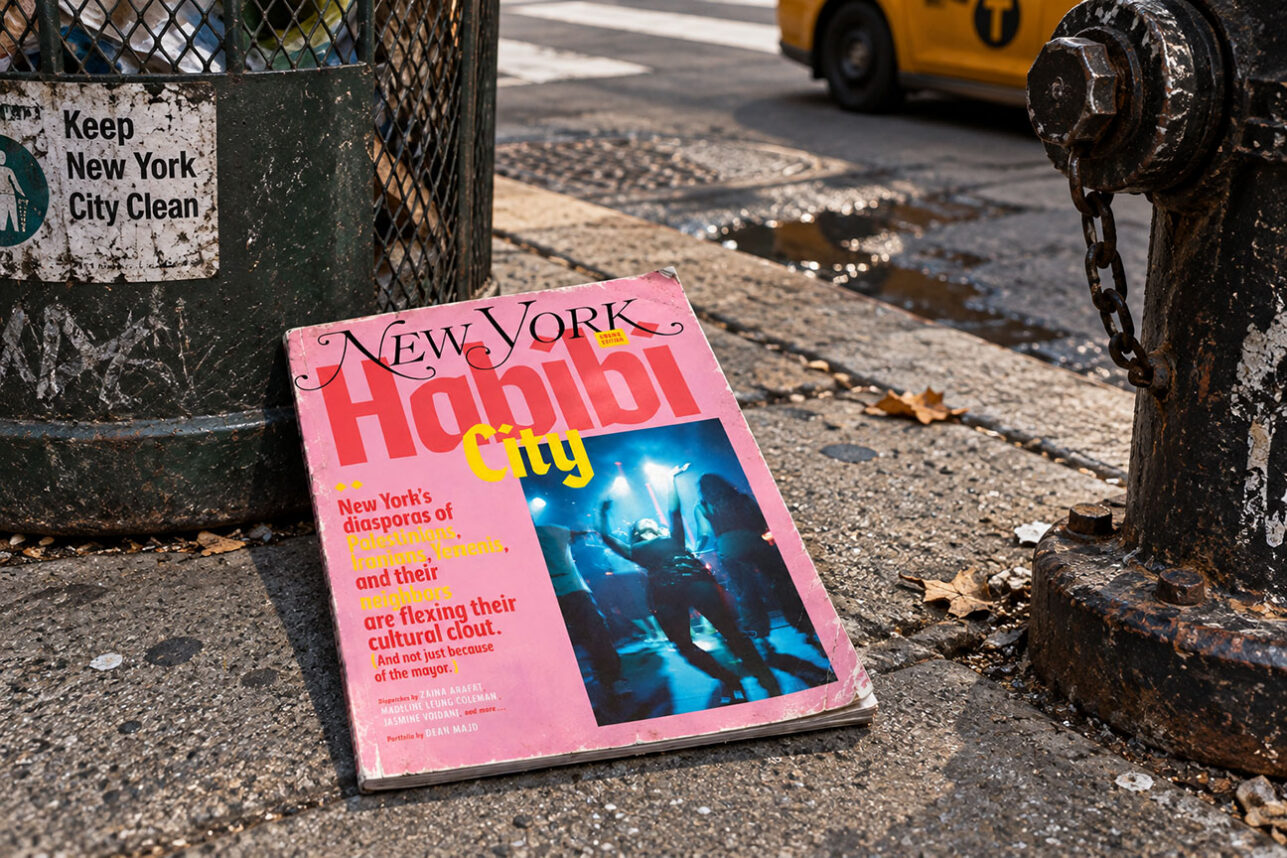
A satirical response to Zaina Arafat’s erasure of Jews in her New York Magazine article “Habibi City,” written as Zaina Arafat.

The ‘Fauda’ Enigma

In many of the nations that believe Israel has no right to exist and routinely root for terrorists to slaughter Jews, a TV show that depicts Israeli covert operatives outsmarting and dispatching Arabs has an inexplicably loyal global audience.

More news and opinions than at a Shabbat dinner, right in your inbox.