The Torah reveals an uplifting message from God: God will redeem the Hebrew slaves from their misery! But as Moses relays the miraculous news, the Hebrew slaves essentially ignore his announcement. The news for which they awaited fell on deaf ears.
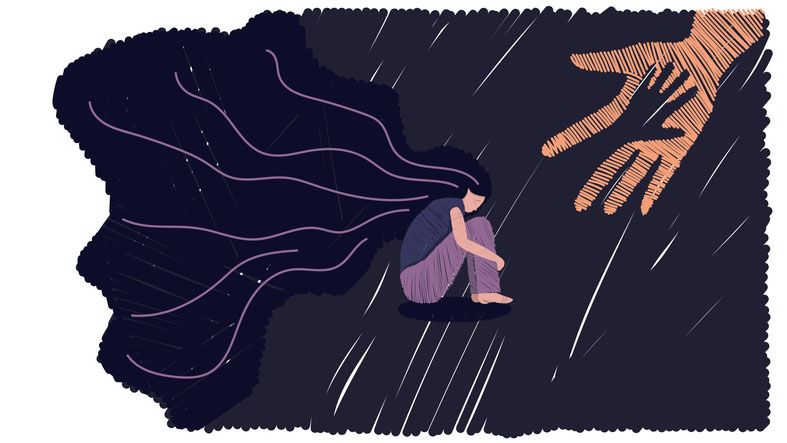
The Torah explains the slaves were suffering from kotzer ruach, a reduced spirit. Rashi translates the phrase as “shortness of breath.” When one is gasping for air, gulping oxygen, there is no ability to hear the words of those around them. Sforno teaches their present state was so deteriorated by harsh physical and psychological conditions that the heart of the Hebrew slave could not take in or comprehend this kind of promise. Over time, shortness of breath transitioned to shortness of spirit.
When we are physically or spiritually depleted, promises or words of encouragement are often not the antidote for better days. To convince the children of Israel, God began to introduce signs—hence, the changing of water into blood. To help those we love to rise out of their exhaustion, actions may speak louder than words.
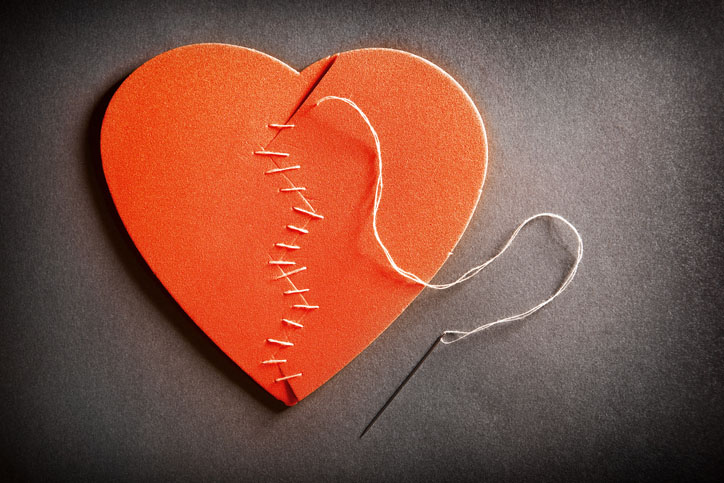
Being present with the brokenhearted, sitting with the bereft, running an errand when someone physically cannot, showing up at a shiva, finding a way to alleviate a burden without expecting gratitude or recognition—these are all “signs” that just might remind someone else they are not alone.
At times, we all suffer from shortness of breath. Moreover, we all suffer from shortness of spirit. Let us find ways to offer “signs” to those we love. And perhaps their ruach, their spirit, will grow, bringing their own sense of purpose and meaning back into the world.
Shabbat Shalom
Rabbi Nicole Guzik is senior rabbi at Sinai Temple. She can be reached at her Facebook page at Rabbi Nicole Guzik or on Instagram @rabbiguzik. For more writings, visit Rabbi Guzik’s blog section from Sinai Temple’s website.