













Instead of the arrogance of cynicism, Parton embodied the innocence of humility. We could all use some of that humility.

An investigative journalist offers a primer to debunk the “genocide” libel against Israel.

For the authors, that legacy embodies the book’s central message: that even in the face of unbearable loss, compassion, presence and community can help transform grief into an enduring act of care.

This is where the Holocaust story begins – not in the gas chambers of Auschwitz, but earlier, with the Nazi regime’s Aktion T4 program, a state-sponsored campaign to murder people with disabilities.

For the Jewish community, this threat is particularly severe because Jewish life is built around proximity, continuity and intergenerational relationships.

First of two parts
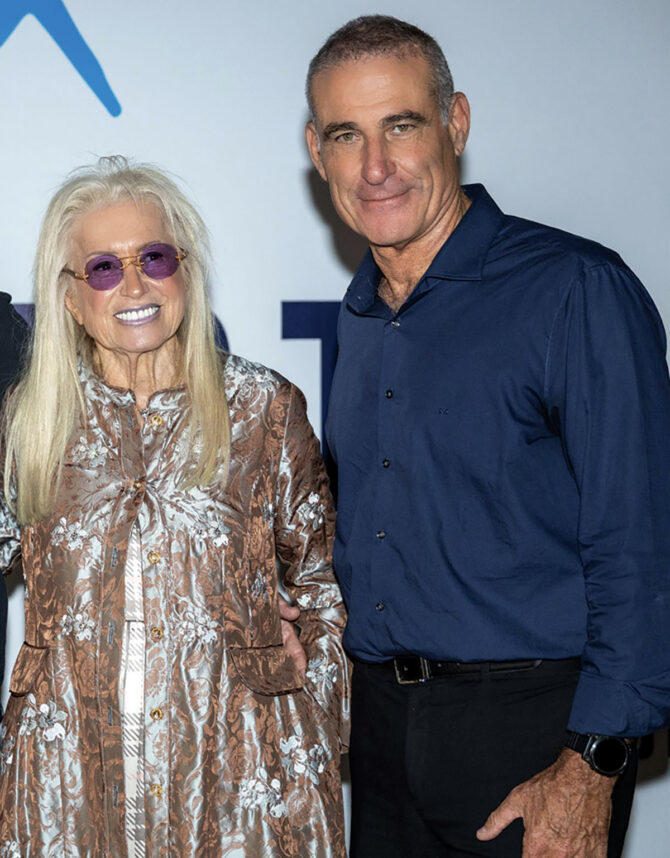
Notable people and events in the Jewish LA community.

Long before shakshuka became a brunch staple and Israeli restaurants multiplied across the city, Admony was introducing New Yorkers to the flavors she had grown up with in Israel.

Baking this cake brought back the memories of Friday nights and holiday gatherings at my parents’ home.
Jewish History

Several surveys showed that there is substance to the claim that a degree of Jewish “strengthening” is evident in the Israeli public. However, all the studies so far have dealt with adult society.

Once the target is Jews rather than Israeli policy, the Nexus Document itself takes over.

This may be Israel’s blind spot. The system is exceptionally good at creating biomedical startups but not equally optimized for turning the strongest of them into enduring global companies.

We may not remember every conversation or every accomplishment, but we remember how people made us feel. In the end, it is those ordinary acts of kindness that stay with us the longest.

It is possible that a record four Jewish candidates will be on a debate stage, vying to become the Democratic nominee for the 2028 presidential election.

While I understand and sympathize with the issues confronting Conservative rabbis and synagogues in the United States concerning intermarriage, allowing Conservative rabbis to officiate at intermarriages will not solve that problem.

Maybe we are fighting the wrong battle.

The Continental Union Flag deserves to be remembered as a window into the political process of independence, as in the time of biblical Israel.

The classic case of a “nonapology” apology is when the allegedly contrite offender says something to the effect of “I’m so sorry that you’re upset.” Note that the speaker doesn’t actually acknowledge doing anything wrong.
Most nations honor their fallen, but Israel does something more. We make a covenant with them.