fbpx

Israeli police ban lawmakers, ministers from Temple Mount over Passover

Citing “security reasons,” Israeli police announced that Knesset members and government ministers are banned from visiting the Temple Mount during the eight-day Passover holiday, which begins Friday night.
[additional-authors]
April 22, 2016

Citing “security reasons,” Israeli police announced that Knesset members and government ministers are banned from visiting the Temple Mount during the eight-day Passover holiday, which begins Friday night.

Police spokesman Micky Rosenfeld announced the rule Friday, the Times of Israel reported. Rosenfeld said that “the visits of tourists and Jewish visitors can continue normally.”

The Temple Mount, which is holy to Jews and Muslims, is adjacent to the Western Wall and is the one-time location of Judaism’s first and second temples. The site has witnessed numerous clashes between Jews and Palestinians in recent years, particularly during holidays.

Rumors that Israel planned to change the status quo that allows Muslims control on the Mount and prohibits Jewish prayer there sparked a surge of Palestinian violence that began in October. Israel has repeatedly affirmed its commitment to the status quo; however, a growing number of Israeli Jews who advocate for greater Jewish access to the site have in recent years visited the Temple Mount, which includes the Al-Aqsa Mosque and the Dome of the Rock. Their visits, along with those by right-wing Israeli lawmakers, are viewed by Muslims and Palestinians as a provocation and threat to the status quo.

Rosenfeld said that 3,500 police will be on patrol in Jerusalem during Passover, an increase above the usual number. He declined to say how large an increase it represented, however.

“These forces are patrolling in all public places, bus stations, shopping malls, tram stations,” he said.

During Passover tens of thousands of Jews visit Jerusalem’s Old City.

Israel has also closed off all crossing points from the West Bank and the Gaza Strip for Friday and Saturday, fearing a wave of violence during the start of the holiday.


Did you enjoy this article?
You'll love our roundtable.

Editor's Picks

Latest Articles

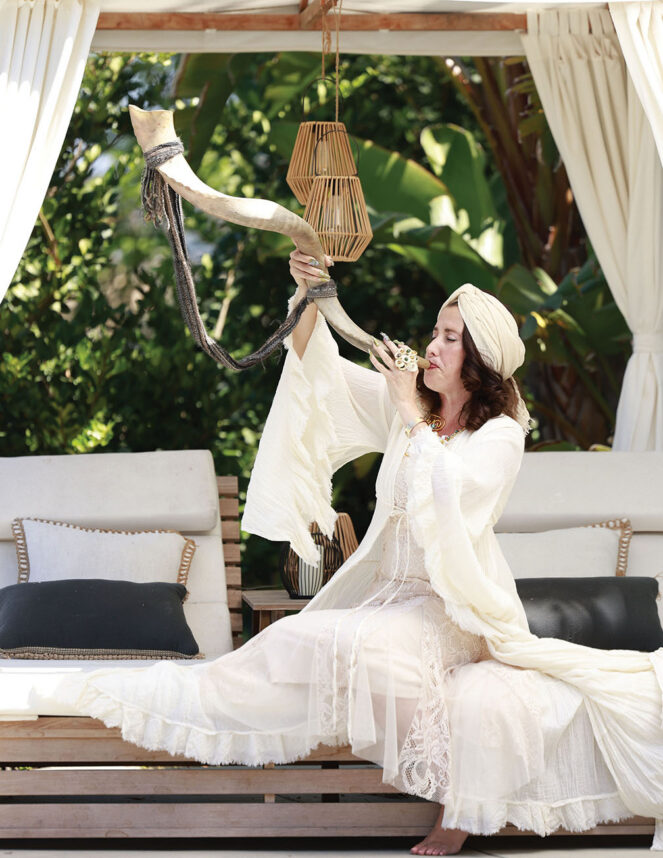
The Shofar Blower

Through poetic reflections, Torah wisdom and personal stories, Salem explores the shofar as a tool for mindfulness, healing, surrender and inner transformation.

Still Committed to Plan A

What I learned most from the people who told us their stories is that the Australian Jewish community is in a state of shock but is resilient, going about its day-to-day life in the way Jews have practiced for generations in the face of hatred.

The Definitive Look at Israel’s Wartime Decision-Makers

As Israel stands on the cusp of an election and the U.S. enacts economic sanctions against Iran after military strikes failed to achieve a definitive victory, a newly released book serves as a must-read to understand the current moment.

The Case for Optimism

If we change our focus, we can see the world differently, and do what Jews do well – make the world better.

Elevate Your Tzedakah on the High Holy Days

While we may never fully know the spiritual outcome of our High Holiday prayers or the impact of our repentance, the tangible power of tzedakah is undeniable. Every dollar contributed leaves an imprint.

How Do People Change?

When does the Jewish calendar ask us to study human transformation? Rosh Hashanah — what we might call “the beginning of transformation.”

The Universalism that Makes Room for Difference

Judaism insists that there is something precious about belonging to a particular people, observing a particular tradition, and living within a particular covenant. But precisely because it does not require every human being to join that covenant, it can make room for difference.

Inward, Upward, Outward

Every new year confronts us with a seminal question: What in our lives is worth repeating, and what needs to change?

More news and opinions than at a Shabbat dinner, right in your inbox.