When you think of victims of Middle East unrest, tour guides are probably not the first to come to mind. But Amir Orly knows of two who committed suicide in the last couple years. Others have left the country or taken odd jobs — anything to make ends meet.
Business for tour guides in Israel collapsed in 2000, amid the violence of the second intifada, which between 2000 and 2005 took the lives of about 1,000 Israelis and more than 3,000 Palestinians. About 50 foreign citizens also died, but mostly, they have just stayed away.
“It was at least a 90 percent drop-off of tourists,” Orly said. “There was no hope. A friend of one of my friends became a gardener. Some turned to become teachers. Each person found his own way, but a lot went unemployed. People were going all directions.”
As our van of visiting American journalists hurtled down Highway 443 between Jerusalem and Tel Aviv, I wondered: Did the skittish tourists more or less have it right? If people are going to be shooting at you or trying to blow you up, what’s so bad about diverting to the Magic Kingdom instead — at least until the bombers get inside Tomorrowland, too?
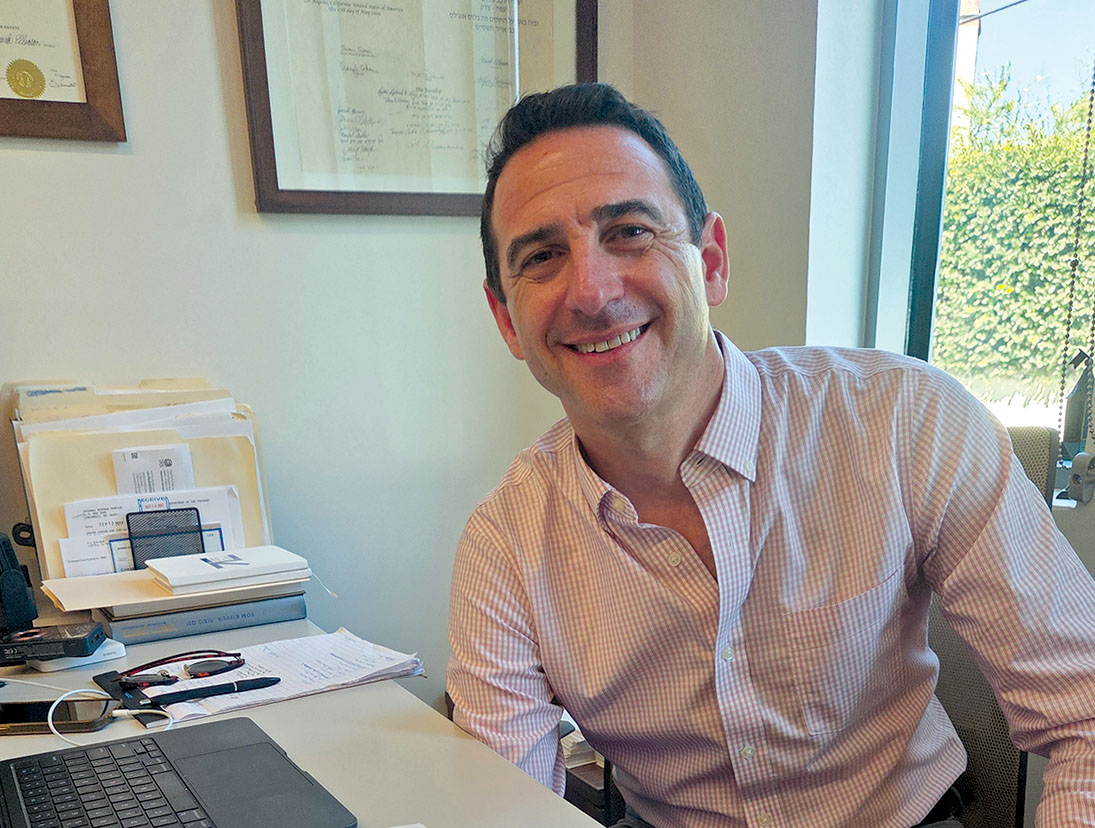
Orly, a fit, handsome man in his 50s, was better off than many. The Ministry of Tourism’s favorite son, he often gets called when VIPs need care — including the Dalai Lama and William Shatner — he’s that good. Even so, he said, “there were many months where I would not work even once.”
He took advantage of being suddenly “rich with time,” as he put it, teaching and pursuing his doctorate (on the sanctification of Jerusalem) — and relying on his wife’s salary to get the family through.
Any downturn of visitors matters deeply for Israel, because tourism is the nation’s second leading industry behind high-tech. A healthy economy and anything less than double-digit unemployment is indefinitely out of reach without healthy tourism. Which is why the Ministry of Tourism provided Orly’s services recently to this group of journalists from U.S. Jewish newspapers visiting Israel for a week. The government wants the word spread that Israel is back — once again ready for its close-up. After all, they insist, there’s still lots to see, and Israel needs your tourist dollars. (That last point, of course, is the tribal appeal to duty and solidarity.)
.</p>
<p align=)