fbpx

April 2, 2026

Sailing Tahiti on The Jet Set TV: Why Windstar Cruises Delivers Small Ships, Big Experiences

From Bora Bora’s fire-lit evenings to private motu lunches and life onboard Star Breeze, this is French Polynesia at its most personal


There are some destinations that stay with you — and for me, French Polynesia has always been one of them. The blues of the water, the rhythm of the islands, the feeling that you’ve arrived somewhere both remote and deeply welcoming. Years ago, I worked at sea so I could dive in places like this. I fell in love with the ocean here — and I’ve always wanted to return.

This time, I didn’t just go back — I got to share the experience on The Jet Set TV. As a frequent contributor on The Jet Set TV, it’s always a joy to talk travel — and even better when it’s a destination and cruise line I genuinely love. Sitting down with Nikki Noya to talk about sailing with Windstar Cruises felt like a full-circle moment. It wasn’t just an interview — it was two travelers swapping stories about a place and a style of travel that truly delivers.
Photo from Windstar Cruises

Small Ship, Big Feeling

Sailing through Tahiti, Moorea, Taha’a, Bora Bora, and Huahine on Star Breeze feels completely different from a traditional cruise. It’s intimate, relaxed, and genuinely human — more like being on a private yacht than a cruise ship. The suites are spacious and serene, with picture windows framing those endless shades of blue. It’s the kind of space where you instantly exhale — and then head right back out to experience it all.

The Marina: Where It All Comes to Life

One of the highlights Nikki and I both lit up talking about is the Marina. When it opens, the ship transforms. Suddenly, you’re swimming, snorkeling, paddleboarding — stepping directly into that crystal-clear water. No rush, no reservations — just pure, spontaneous joy. It’s one of those signature Windstar moments that feels effortless and unforgettable.

Destination Events That Stay With You

What truly sets this journey apart — and what we loved talking about on The Jet Set TV — are the destination experiences that bring the islands to life. In Taha’a, a private motu lunch feels like stepping into a postcard: soft sand, swaying palms, a beach barbecue, and shallow turquoise water where stingrays glide past as you wade in. It’s relaxed, beautiful, and joy-filled — the kind of afternoon you wish you could pause. And then there’s Bora Bora. The Feast & Fire evening begins with a catamaran ride at sunset to a private motu, where you’re welcomed with flower leis and the warm glow of torchlight. Dinner unfolds under the stars, followed by a powerful Polynesian performance — music, dance, and fire — with a multi-generational group that brings the culture to life in a way that feels authentic, celebratory, and deeply moving. These aren’t just excursions — they’re the moments that stay with you.

Dining That Reflects the Journey

Food is a huge part of the experience, and Windstar delivers. As the only cruise line partnered with the James Beard Foundation, there’s a clear commitment to quality — and you can taste it. From dinners in Amphora to specialty restaurants, each experience feels thoughtful and elevated. I especially loved Basil + Bamboo, new to the fleet and full of vibrant, globally inspired flavors, and Candles Steakhouse, where dining under the stars feels both relaxed and special at the same time.

A Crew That Makes It Personal

What really stayed with me is the people. From Captain Roman Krstanovic to Hotel General Manager Iulian Petrasuc, the leadership sets the tone: warm, welcoming, and genuinely engaged. The crew doesn’t just provide great service — they create connection. Whether it’s greeting you by name, helping plan your perfect day ashore, or joining in the fun onboard, there’s a sense of pride and joy that you feel everywhere on the ship. It’s that human element that transforms a beautiful trip into something meaningful.

Why Talking About It on TV Felt Different

I’ve shared this journey across articles, videos, and a podcast recorded onboard — but talking about it on The Jet Set TV felt different. Maybe it’s because Nikki understands it firsthand. Maybe it’s because we both love this style of travel. Or maybe it’s because some experiences — like sailing through French Polynesia — are just too special not to talk about out loud.

Still My Kind of Travel

What I shared on TV is simple: this is the kind of travel I love — where the ship feels personal, the experiences feel meaningful, and the destination has space to shine. With Windstar Cruises, every detail supports the journey without ever overwhelming it. And in a place as magical as French Polynesia, that balance is everything. ✨ My VIDEOS FROM FRENCH POLYNESIA on STAR BREEZE:

ARTICLE: Sailing French Polynesia with Windstar Cruises: A Return to Tahiti and Life at Sea
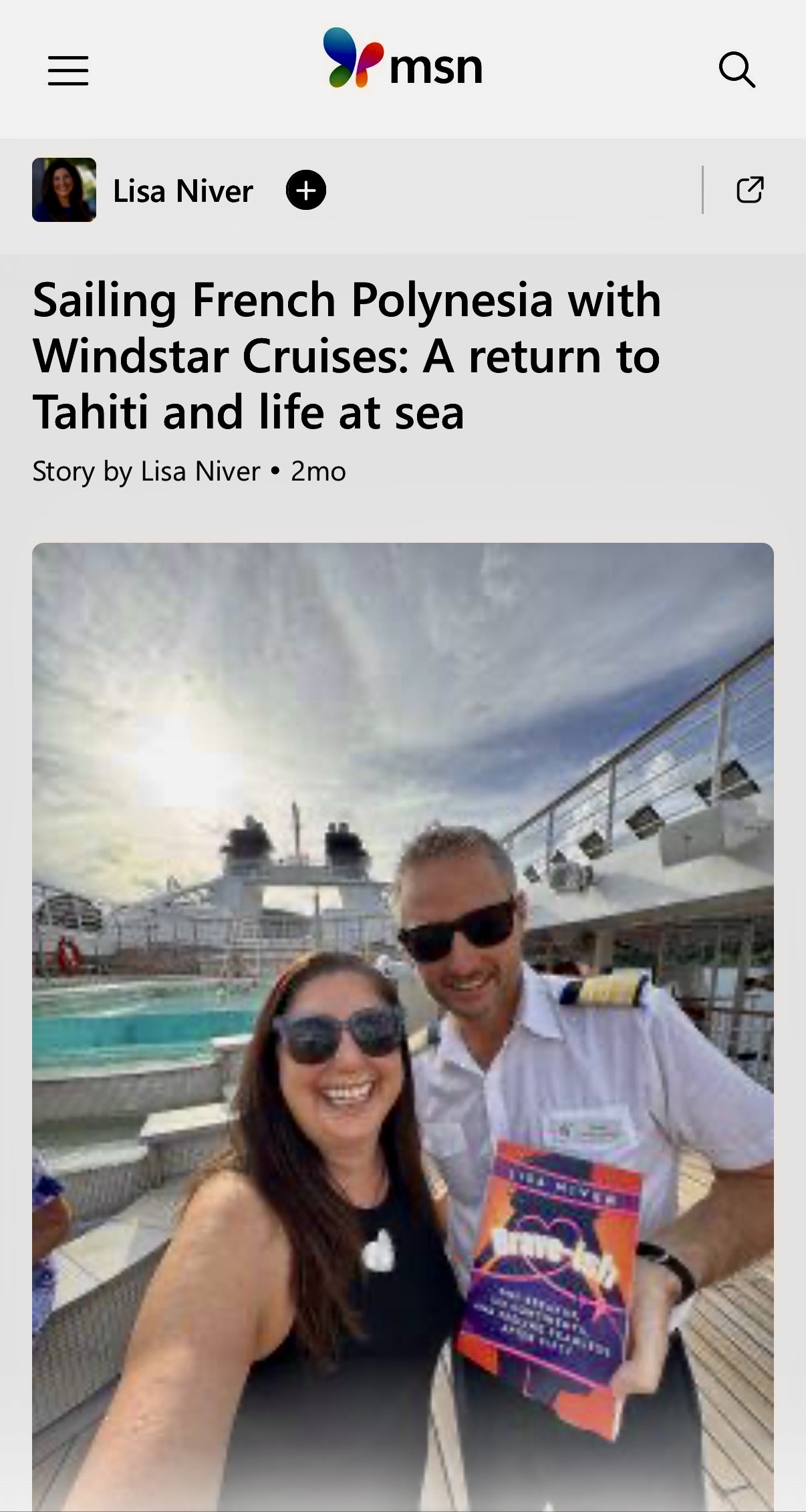
Read it on MSN and the Jewish Journal
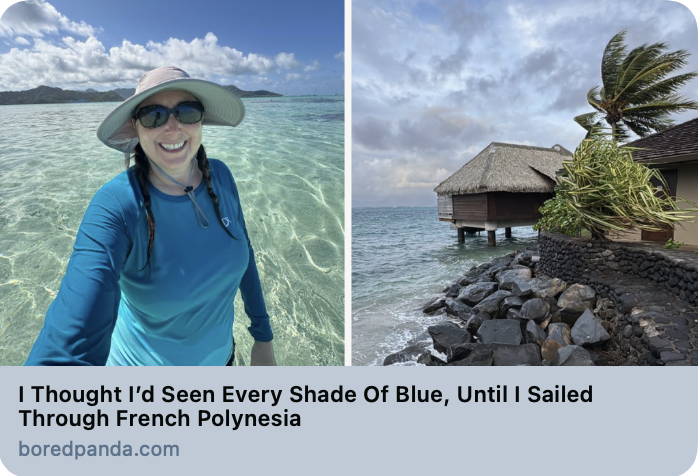
On Bored Panda: I Thought I’d Seen Every Shade Of Blue, Until I Sailed Through French Polynesia

PODCAST: Small Ships, Big Adventures: Exploring Tahiti with Windstar Cruises and Joanna Vapor

More of my coverage including all of my social media posts: CLICK HERE

Sailing Tahiti on The Jet Set TV: Why Windstar Cruises Delivers Small Ships, Big Experiences Read More »

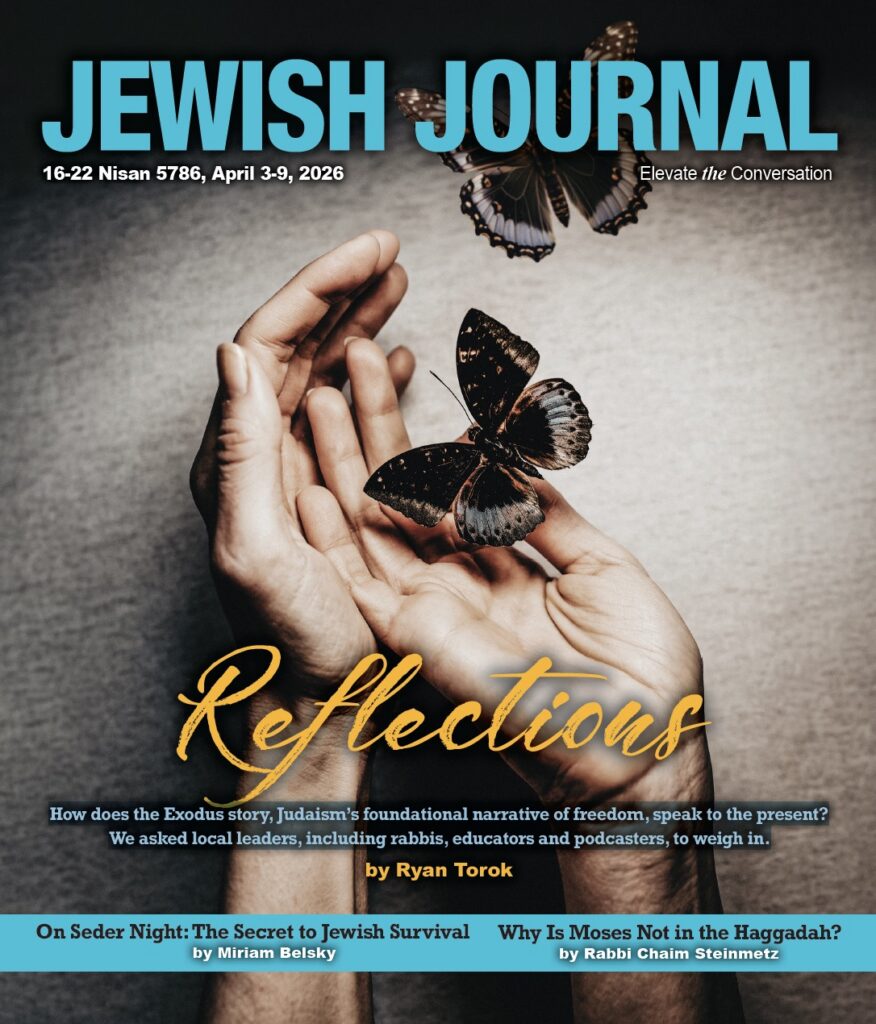
Print Issue: Reflections | April 3, 2026

CLICK HERE FOR FULLSCREEN VERSION

Print Issue: Reflections | April 3, 2026 Read More »

The Fourth Son in the Haggadah Echoes Kafka’s Investigative Dog

It’s said that no dog barked when Israelites prepared
to leave the land of Egypt in the middle of the night.
The reason surely isn’t that no canine dared
to bark, but that they felt that only Jews had earned the right
to praise the Lord for saving them and that they tried
to be just like the celebrated Hound in Silver Blaze
whose nighttime silence would to Sherlock Holmes provide
an answer that is like the question the fourth son won’t raise,
solved by the great detective as the fourth son’s father
should try to solve the problem of his son, non-asking lamb,
whose silence is a problem that implies we’d rather
his mother answered, Sherlock look-alike, midrash madame.

It occurred to me, rereading this, the reason why no dog
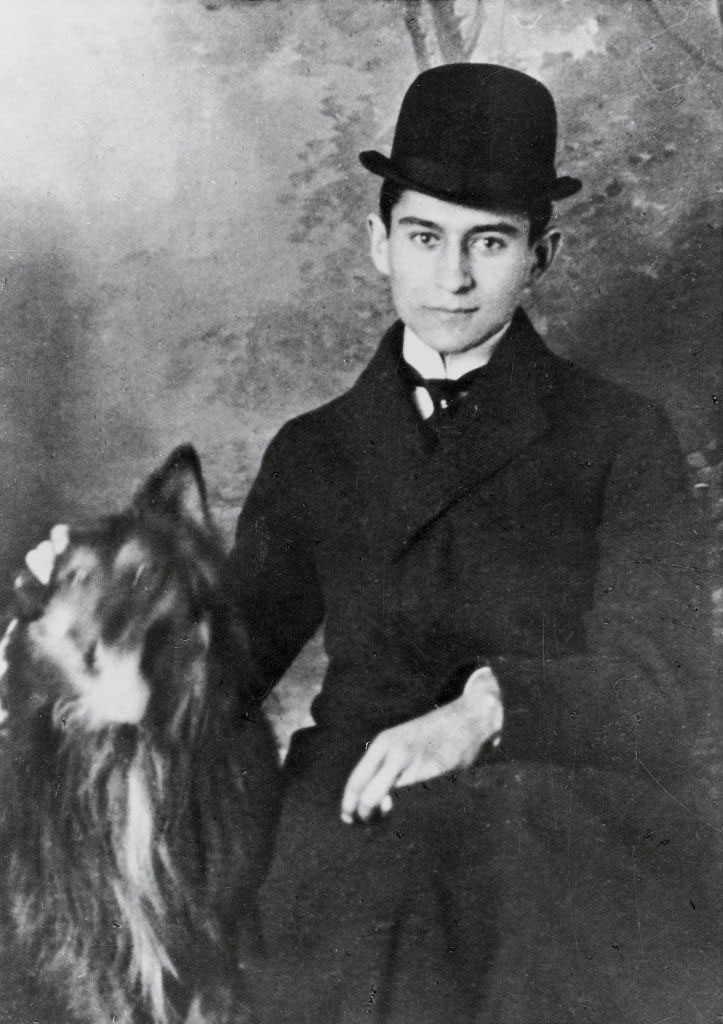
barked is since, like Kafka’s investigative dog, they suffered from brain fog.

Exod. 11:6-7 states:

ו  וְהָיְתָה צְעָקָה גְדֹלָה, בְּכָל-אֶרֶץ מִצְרָיִם, אֲשֶׁר כָּמֹהוּ לֹא נִהְיָתָה, וְכָמֹהוּ לֹא תֹסִף. 6 And there shall be a great cry throughout all the land of Egypt, such as there hath been none like it, nor shall be like it any more.

ז  וּלְכֹל בְּנֵי יִשְׂרָאֵל, לֹא יֶחֱרַץ-כֶּלֶב לְשֹׁנוֹ, לְמֵאִישׁ, וְעַד-בְּהֵמָה–לְמַעַן, תֵּדְעוּן, אֲשֶׁר יַפְלֶה יְהוָה, בֵּין מִצְרַיִם וּבֵין יִשְׂרָאֵל. 7 But against any of the children of Israel shall not a dog whet his tongue, against man or beast; that ye may know how that the LORD doth put a difference between the Egyptians and Israel.

This poem proposes that the silence of the fourth son in the haggadah , who does not know how to ask any question, is comparable to that of the dogs who didn’t bark when God was killing the Egyptian firstborn, not only foreshadowing the failure of the hound in Conan Doyle’s Silver Blaze to bark but also foreshadowing the dog in Kafka’s story, “Investigations of a Dog.”

Aaron Schuster writes in “Kafka’s Screwball Tragedy: Investigations of a Philosophical Dog,” 12/13/24:

Written toward the end of Franz Kafka’s life, “Investigations of a Dog” is one of the lesser-known and most enigmatic works in the author’s oeuvre. Kafka didn’t give the story a title, writing it in the autumn of 1922 but leaving it unpublished and unfinished. It was published posthumously in 1931 in a collection edited by his friend and biographer Max Brod, who named it Forschungen eines Hundes — which could also be translated as “Researches of a Dog,” to give it a more academic ring.

The name Kafka is popularly associated with the horrors of a grotesquely impenetrable legal system, but there is another aspect to his work, which concerns knowledge. “Investigations of a Dog” presents a brilliant and sometimes hilarious parody of the world of knowledge production, what the French psychoanalyst Jacques Lacan called “the university discourse.” And the contemporary academy might easily be qualified as Kafkaesque, with its nonsensical rankings and evaluations, market-driven imperatives, and exploding administrative ranks.

But Lacan’s term was less about targeting the mismanagement of the modern university and more about highlighting the broad shift in the structure of authority — where knowledge and power combine to establish systems of administration operating in the name of reason and technical progress. And this is where Kafka’s dog comes in, to question this new order, to excavate the underside of its supposed neutrality, to propose another way of thinking, even, perhaps, a way out.


Gershon Hepner is a poet who has written over 25,000 poems on subjects ranging from music to literature, politics to Torah. He grew up in England and moved to Los Angeles in 1976. Using his varied interests and experiences, he has authored dozens of papers in medical and academic journals, and authored “Legal Friction: Law, Narrative, and Identity Politics in Biblical Israel.” He can be reached at gershonhepner@gmail.com.

The Fourth Son in the Haggadah Echoes Kafka’s Investigative Dog Read More »

A Bisl Torah — Dayeinu: Enough or More than Enough

This week, you likely belted out the words Dayeinu. Some of you hit another with a green scallion. (Email me if you need an explanation!) Others politely sang each refrain, reminiscing about days of religious school past.

Dayeinu does not mean “It’s enough.” You might think the song reflects the angsty sentiments of the Israelites. It’s enough wandering already—take us to Israel or send us back to Egypt! Or it’s enough eating this manna—we’re hungry and exhausted. Maybe it’s enough of the uncertainty and unknown. We just can’t take it anymore.

Nope. Reread the song.

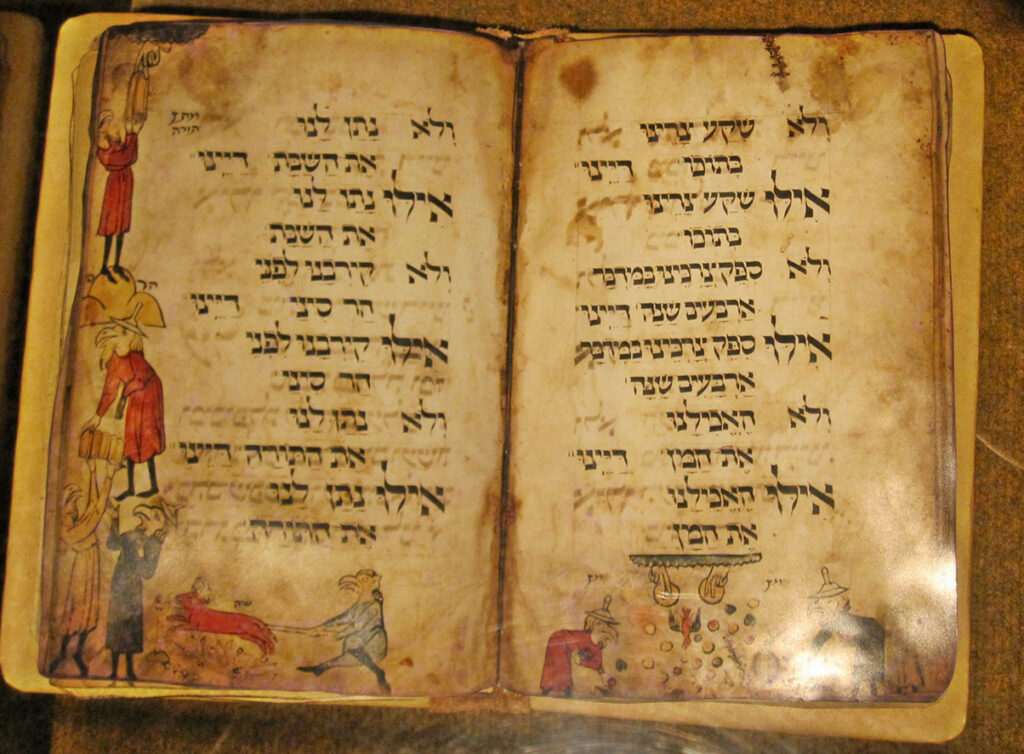
Dayeinu means, “It would have been enough.” It’s a song about thanksgiving.

God, it would have been enough that you took us out of Egypt. Dayeinu. It would have been enough that you gave us the Torah and Shabbat. Dayeinu.

God, you are so good to us. Every step towards freedom, it would have been enough.Dayeinu.

Passover is a season of gratitude and of taking stock of everything that adds up to our “more than enoughs.” God, I’m sitting at a table and feeling nourished. Dayeinu. God, I get to continue writing the story of my life and adding to the story of our people. Dayeinu. God, I know I aspire to be more and do more, but right now, I’m content. I’m grateful. Dayeinu.

May we look around our Seder and Shabbat tables and be able to say…all of this, for all of this, God, it’s more than enough.

Dayeinu. Dayeinu. Dayeinu.

Chag Sameach and Shabbat Shalom


Rabbi Nicole Guzik is senior rabbi at Sinai Temple. She can be reached at her Facebook page at Rabbi Nicole Guzik or on Instagram @rabbiguzik. For more writings, visit Rabbi Guzik’s blog section from Sinai Temple’s website.

A Bisl Torah — Dayeinu: Enough or More than Enough Read More »