Has Orthodox reggae star Matishayu severed his ties with Chabad-Lubavitch? Is he a bad influence on religious youth? And is he still frum?
Blogs have been buzzing over these questions since Matisyahu appeared to distance himself from Chabad last month.
“My initial ties were through the Lubavitch sect,” he told Miami New Times. “At this point I don’t necessarily identify with it anymore. I’m really religious, but the more I’m learning about other types of Jews, I don’t want to exclude myself. I felt boxed in.”
In the article, Matisyahu — who’ll perform in Irvine on Aug. 19 — said that to prepare for concerts, he prays and meditates, then sips wine and listens to rapper Jay-Z.
Some Orthodox readers saw red: “I’m officially off the Matisyahu fan club train,” Chaim Rubin wrote in his “Life of Rubin” blog.
“His lyrics no longer really reflect deep Jewish spirituality, and his behavior onstage is becoming increasingly secular,” Rabbi Levi Brackman wrote on his blog. “Now that he has publicly distanced himself from Chabad-Lubavitch, I am admitting that I was wrong to ever promote Matisyahu. It is my hope that he keeps his faith and does not go off the deep end and thus take others with him.”
Other bloggers fiercely defended 28-year-old Matisyahu. Y-Love, an Orthodox rapper, said that the musician is experiencing the typical growing pains of a baal teshuvah: “The first few years after making the transition to Torah are often marked by a lot of soul searching.”
Matisyahu could not be reached for comment, but previously has said he spent part of his youth as a self-professed “Deadhead,” taking hallucinogenic drugs and following Phish on tour. He became observant around 2001 after discovering Chabad, and has become perhaps the quintessential frum hipster, performing songs that merged Jewish spirituality with popular music. Billboard named him top reggae artist of 2006.
Around the same time, the musician raised eyebrows when he left his managers at JDub records, a company that promotes Jewish artists; at that point he said he left for more experienced representation. If he is again sparking debate, it’s perhaps because some of his appeal lies in his efforts to bridge two very different worlds — the fact that he, at times, has difficulty navigating them means he is only human.
Chabad insiders interviewed say bloggers have taken Matisyahu’s recent quotes out of context — and blown them out of proportion. They say that the artist is continuing to stay with (and pray with) Lubavitch friends and rabbis at times on his current tour. At a recent concert, Matisyahu reportedly alluded to the New Times controversy, then, as if to answer questions about his Judaism and his feelings about Chabad, he launched into a Lubavitch melody.
Rabbi Chaim Cunin, CEO of Chabad of California, said he first met Matisyahu before the musician performed on the national Chabad Telethon several years ago where Matisyahu sang his hit “King Without a Crown” and some Chasidic niggunim (melodies).
The two men have kept in touch since.
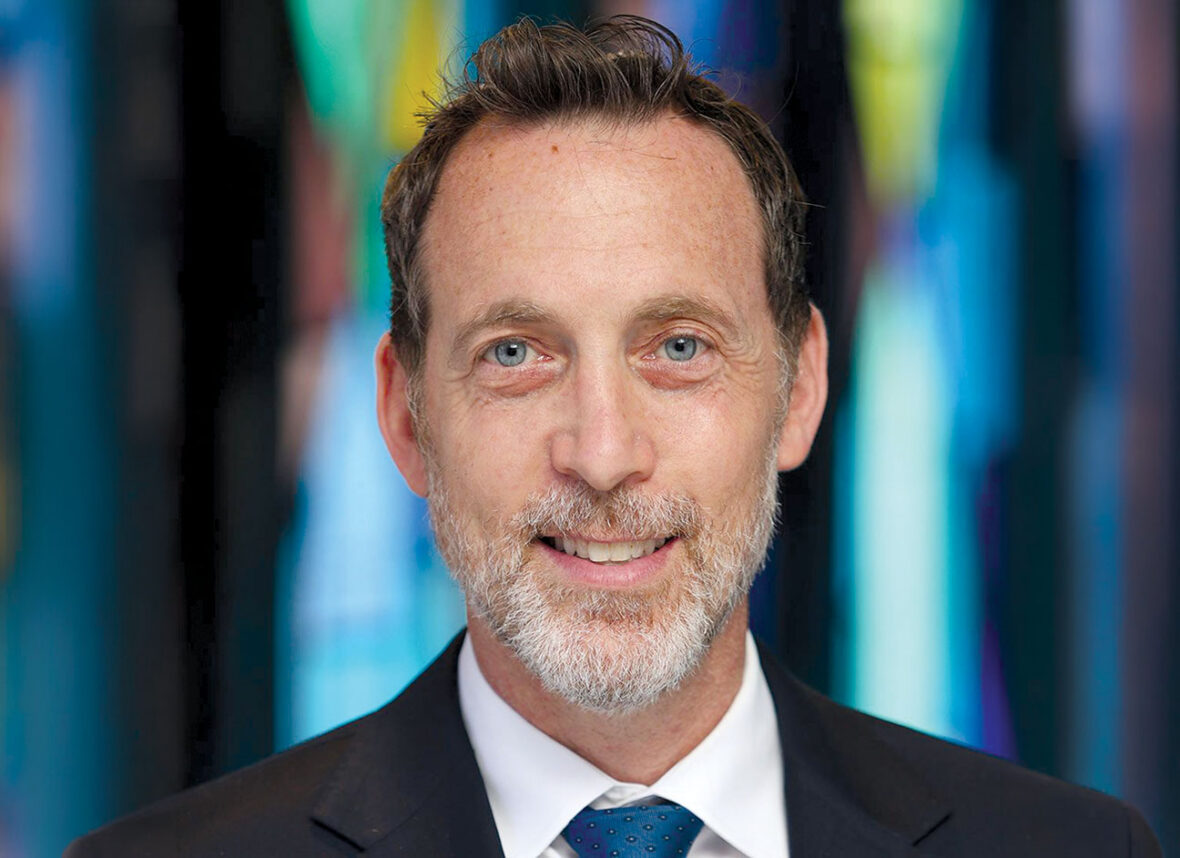
“Matisyahu is a beautiful, honest, straightforward person, and he is largely misunderstood by the Jewish community, especially those who obsessively follow his every move on the Internet,” Cunin said. “When he became a household name, he never saw himself as an official representative of Chasidis, or Chabad or the Jewish faith. He’s a man who is on a very personal spiritual journey, and he’s sharing that in a creative and meaningful way with the world. That’s why people connect with him, and that’s something that should be embraced.”