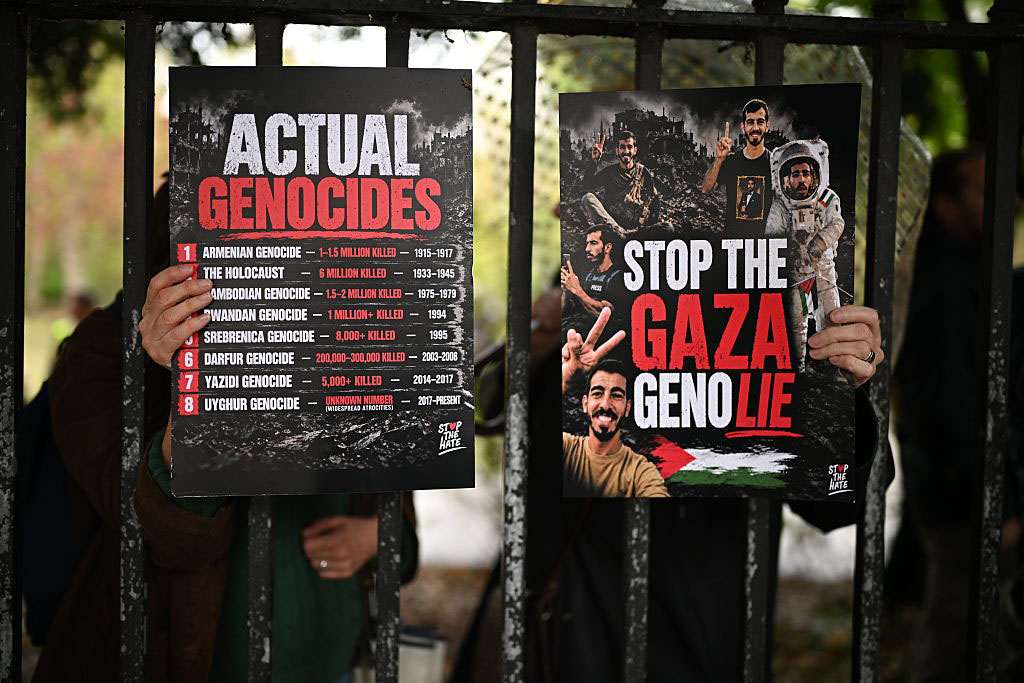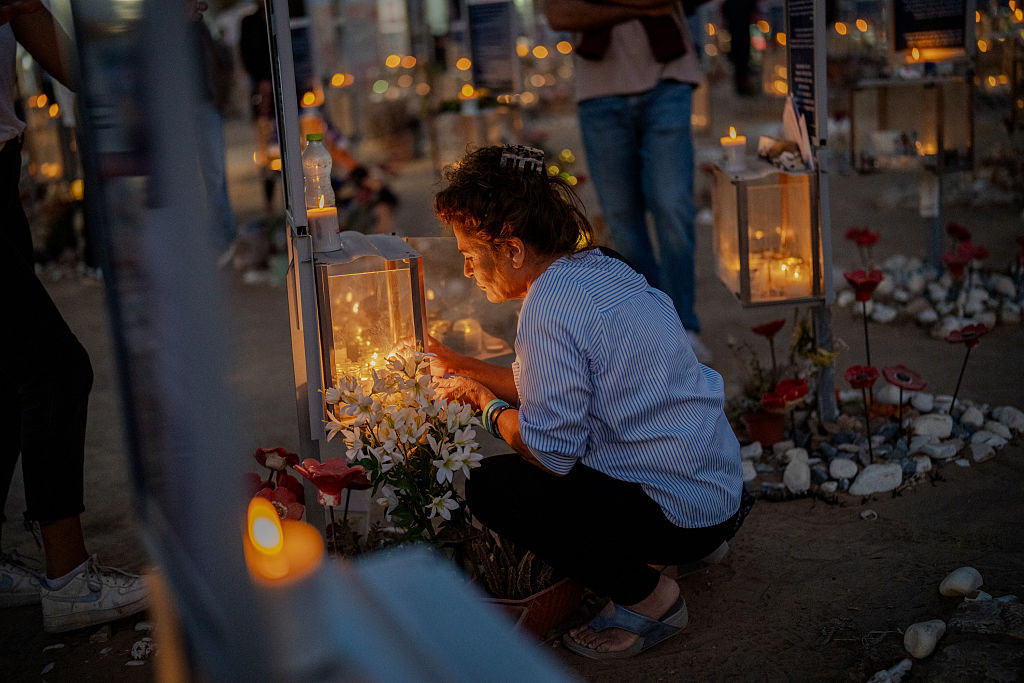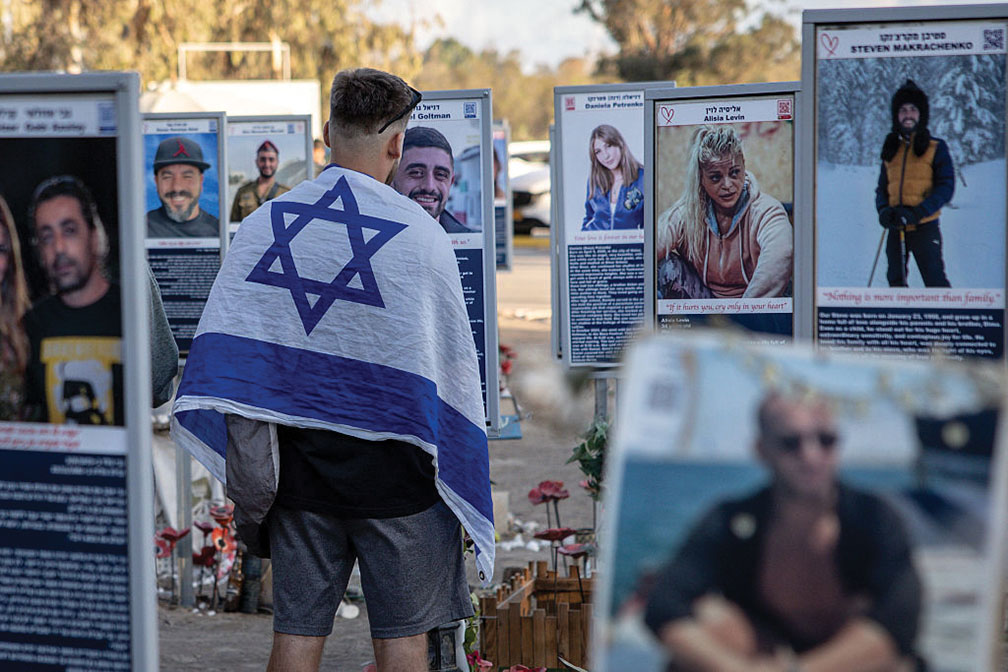

On October 7, Hamas kidnapped 251 people from Israel. Soon after, the hostages’ faces were seen on posters that said “KIDNAPPED” throughout New York City. While it was comforting to see these faces at first, a battle erupted on city streets, with people tearing down the posters in defiance.
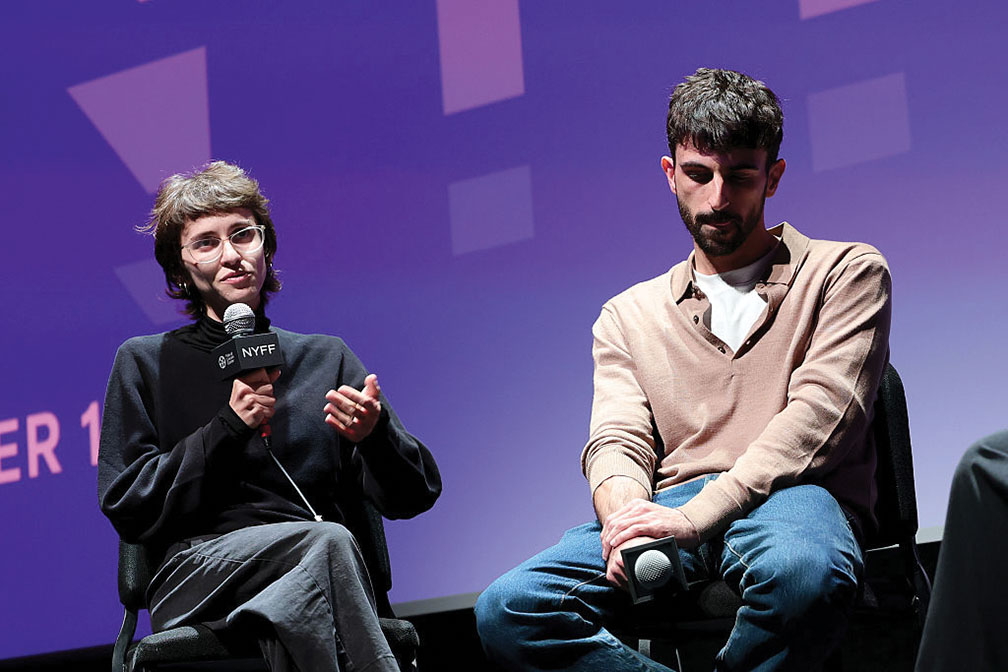
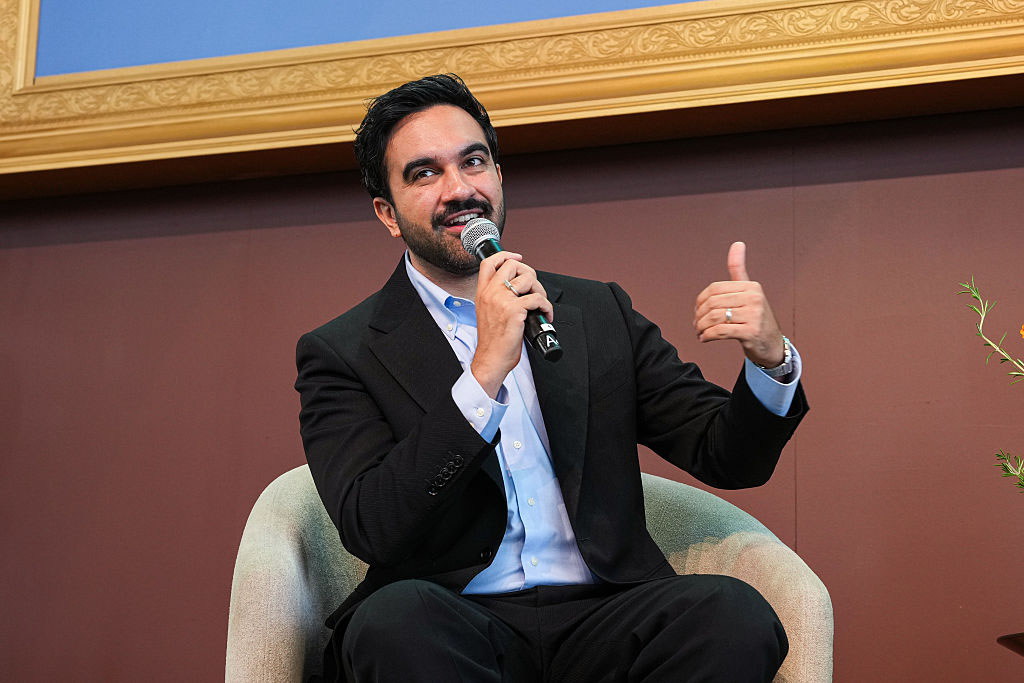
Now, that struggle is captured in the new documentary, “TORN: The Israel–Palestine Poster War on NYC Streets,” by Israeli-born, and now Brooklyn-based, filmmaker Nim Shapira. In it, he interviews 10 people – family members of the hostages, artists, and activists – and explores the themes of free speech, identity, and empathy in a time of deep polarization.
“Friends and colleagues were telling me the hostages were AI, or actors,” Shapira told the Journal. “And then people of every age group, every ethnicity, every background started ripping the posters down. It was surreal. Watching them come down was shocking, confusing, and painful — and yet I was fascinated by what the act revealed. People weren’t just ripping paper. They were expressing anger, denial, mob mentality, and in many cases, complete emotional shutdown. It felt like empathy collapsing in real time.”
“It felt like empathy collapsing in real time.”
– Nim Shapira
The 75-minute documentary is currently Oscar-qualified and under consideration for Best Documentary Feature; the Academy invited Shapira for a conversation and uploaded it to their official YouTube channel, which reaches millions. It was also recently licensed by PBS for national broadcast and international distribution.
Over the past year, Shapira has hosted more than 100 in-person screenings throughout the United States, including Ivy League campuses to Jewish community spaces to civic and interfaith organizations. Each screening was followed by honest and sometimes intense conversations with audiences.
“These discussions have become as central to the project as the film itself,” said Shapira.
Throughout the film, Shapira shows not only why the posters went up, but why people justified tearing them down. However, he said there was a common theme: “They all converged into one thing: erasing Jewish pain. The posters were being torn down, yes, but so was the social fabric of the city.”
The filmmaker, who has lived in New York City for 13 years, is cautiously hopeful about the situation there, he said, “not because things look good, but because the alternative is unlivable. New York is too diverse, too intertwined, too interdependent for permanent fracture. Our only path forward is learning to disagree without dehumanizing. Bridges aren’t built from agreement. They’re built from curiosity, humility, and the willingness to see someone else’s pain even when you don’t share it.”
While “TORN” is a snapshot of time in New York, its themes resonate across the U.S., as well as other Western cities grappling with division, antisemitism, and free speech issues.
“Antisemitism isn’t a Jewish problem, just like Asian hate isn’t a ‘problem’ for the Asian American community,” Shapira said. “These things reflect something much bigger and darker in the society we live in.”
With “TORN,” Shapira said he hopes to help people step out of their own bubble and see “the other.” He wants viewers to “question the narratives they know — and consider the possibility that multiple truths can exist at once. To disagree without dehumanizing. To hold complexity without shutting down.”
Already, the film has received positive coverage from liberal and conservative outlets, and from audiences that span Jews, Muslims, Christians, and more.
“I want ‘TORN’ to live in universities, community centers, synagogues, mosques, churches, and living rooms… anywhere people gather to try to understand one another,” Shapira said. “If the film helps even a few people pause, listen more compassionately, or rethink how they engage with people who hold different truths, then it’s already done its job.”
To host a screening of “TORN,” visit Torn-film.com