The story of the 20th Olympic Games in Munich, has been told many times. There’s
“21 Hours at Munich,” a depiction of what happened in on Sept. 5, 1972 as the terrorist group, Black September took a group of Israelis hostage; a documentary, “One Day in September,” which broaches the broader context of the Israeli-Palestinian conflict, and Steven Spielberg’s “Munich.” And videos of ABC’s coverage of the tragedy can be found on YouTube.
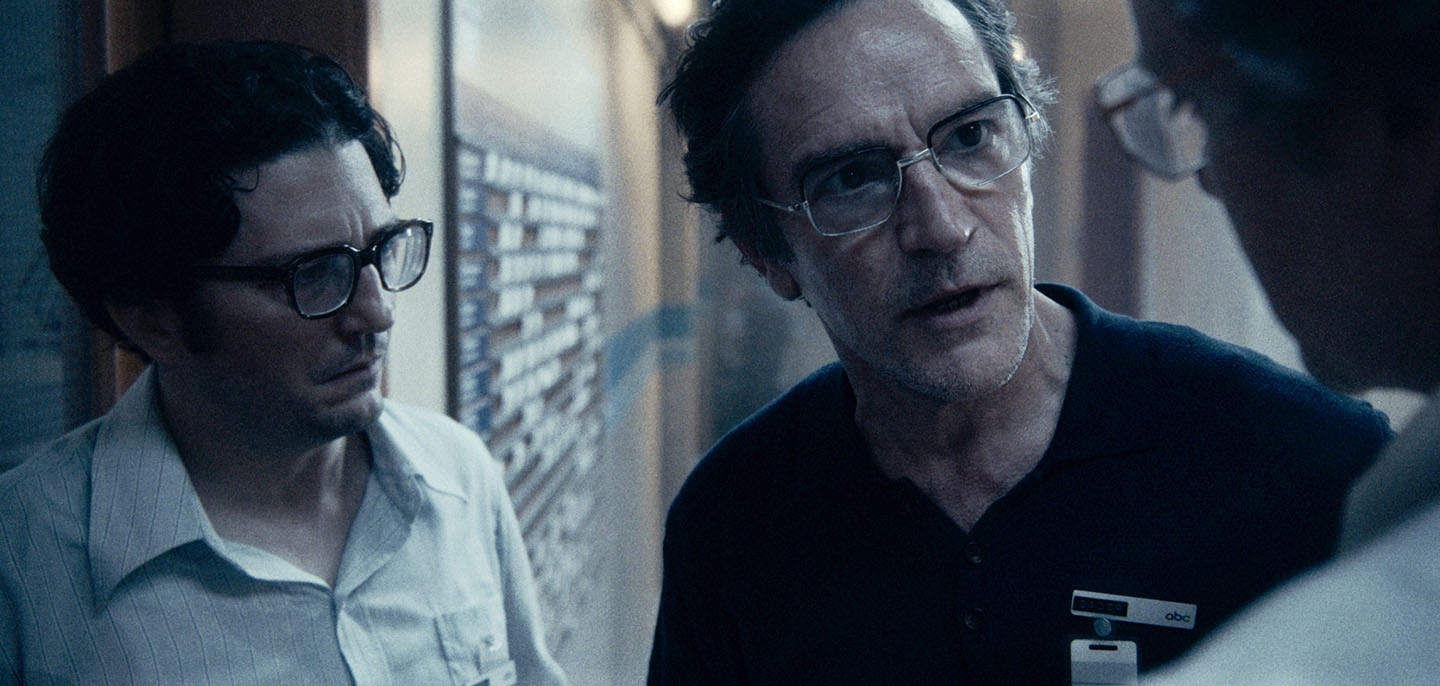
The new film “September 5” is a powerful and claustrophobic film that centers on the ABC Sports control room in Munich and the people who thought they simply cover sports and not matters of life and death. This means the whole film hinges on the ability of the actors to make an audience feel tension. Jewish actor John Magaro plays Geoffrey Mason, ABC Sports’ executive producer, who helped run the show on Sept. 5 with Roone Arledge (a flawless Peter Sarsgaard) as they faced some moral and ethical questions.
Magaro delivers his lines with the perfect balance of urgency and restraint; he asks if they are allowed to show someone who has been shot on live TV, and asks if the terrorists inside the Israeli rooms have TV’s and can see what is being broadcasted, including Bavarian police dressed up as athletes with guns.
“These cops have no idea what they’re doing,” Mason says.
It was a good decision to have the real archival footage of Jim McKay. When it is reported that the hostages are saved Mason tells McKay to say “as we’re hearing” but McKay would eventually say “they’re all gone,” when it was confirmed that the initial reports were incorrect and all 11 Israelis were murdered.
Leonie Benesch does a fine job as Marianne Gebhardt, atranslator who is a composite character, while ABC journalist Peter Jennings is played well by Benjamin Walker.
This is not a political film. The only moment where it touches on politics is when Jennings says they might not want to call the hostage-takers terrorists, but they ignore his advice and they call them terrorists.
Mason upset about the call, even though others also referred to them that way, referring to it as a “catastrophe” yet he gets praise from his boss. Through archival footage, we see the absurdity that people were playing ping pong not far from where the Israelis were being held hostage.
“September 5” has some moments that feel reminiscent of Paul Greengrass’ excellent “United 93.” Non-actor Ben Sliney, at the time an air traffic controller, plays himself (he is also the man who on Sept. 11, 2001, his first day as the Federal Aviation Administration’s National Operations Manager grounded all flights).
“September 5” is one of the best films of the year, largely due to Magaro, Sarsgaard, and in a smaller role, Ben Chaplin, who shines as Jewish producer Marvin Bader. Directed by Tim Fehlbaum, there is no wasted motion or dialogue and this is a powerhouse of a film.
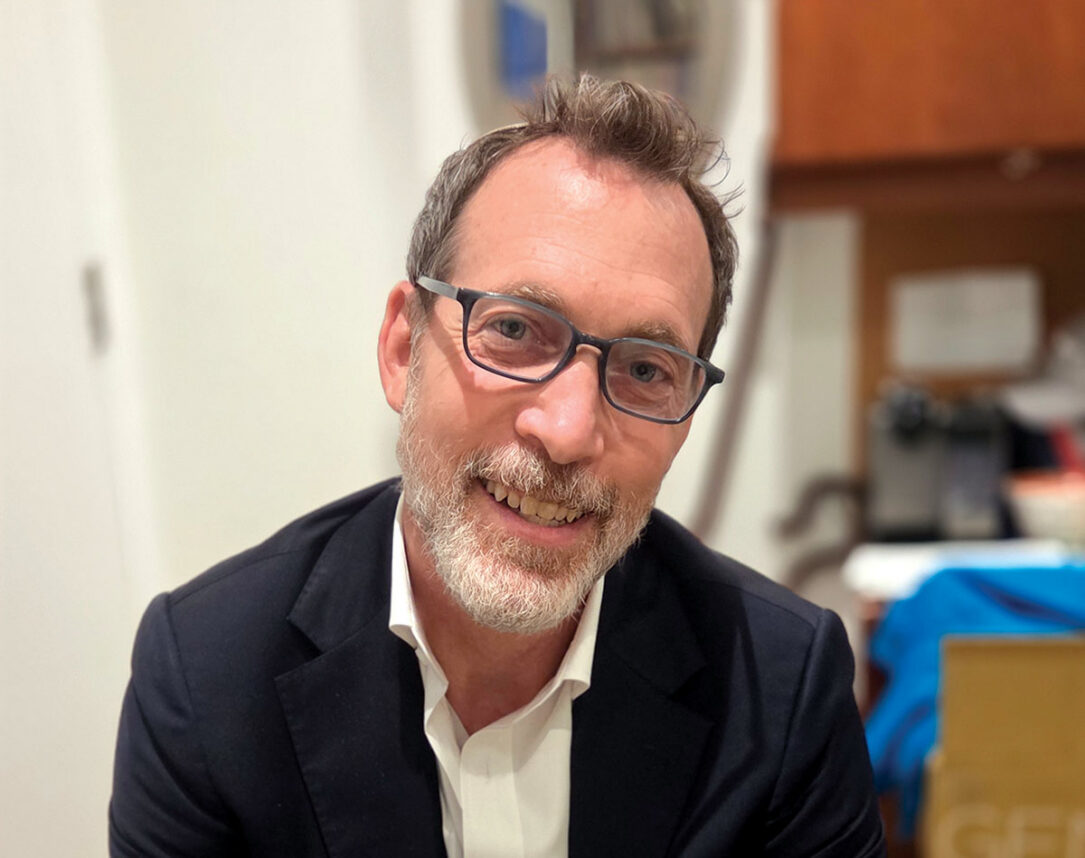
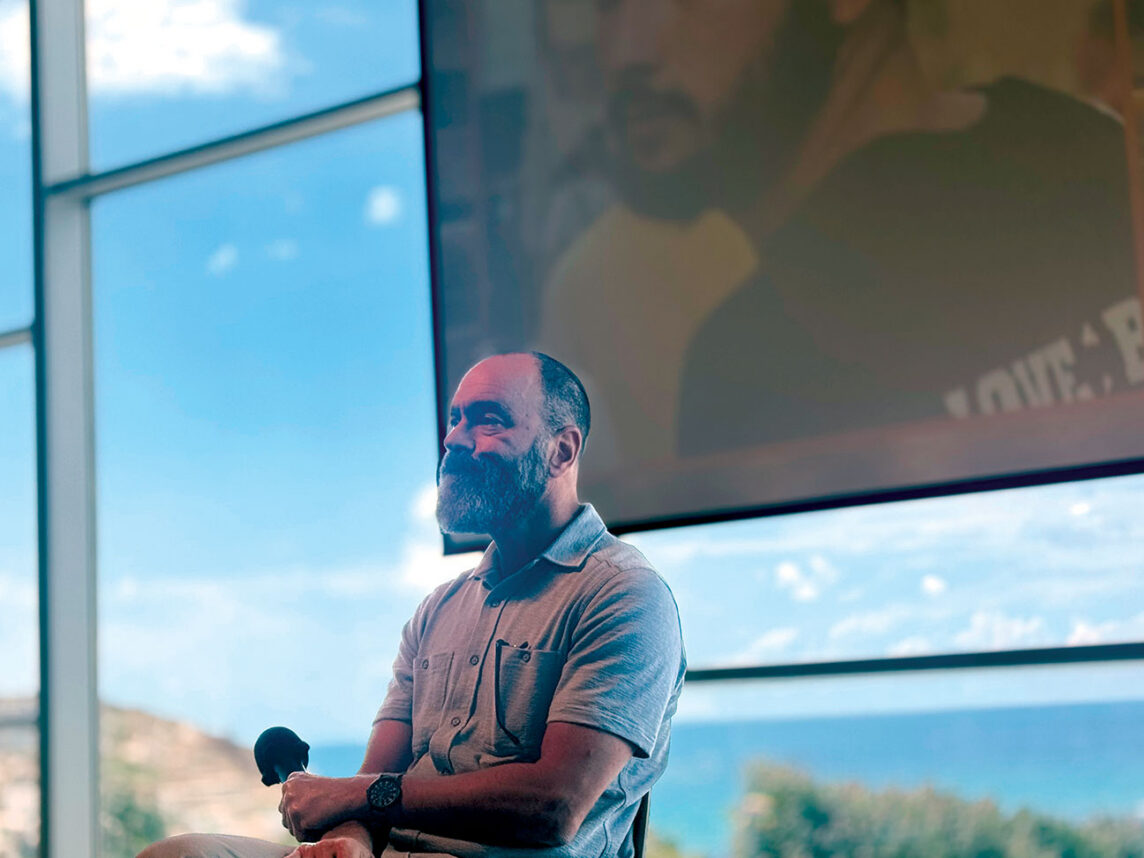
Magaro spoke after a screening at Manhattan on Dec. 16.
He didn’t know that the sports team covered the attack and about 900 million people were watching around the world.
Magaro said he met Mason in real life in preparation for the role and added that he was an extra in “Munich.”
“Goeff would say they had no time to think, they were just doing their job, there was no time for emotion,” Magaro said. “I think as a young producer just trying to do the best you can especially in this situation, none of them had been through this before. These are sports broadcasters. They’re kind of innocent in a way … as a journalist you kind of want to be first and sometimes you make mistakes in that pursuit the be the first one out there with that information.”
He hopes audiences will “walk away from this and examine a hyper sensationalized world of journalism now especially around tragedies, maybe our own desensitized nature when it comes to these kinds of events and our own consumption. That’s the philosophical question that Tim is trying to pose … History was on a collision course with something like this being shared globally and it just so happens that it was the crisis when the scale tipped.
“(I hope audiences) will walk away from this and examine a hyper sensationalized world of journalism now especially around tragedies, maybe our own desensitized nature when it comes to these kinds of events and our own consumption.” – John Magaro
“The dollar is what matters,” he said, noting that news agencies go for ratings.